
Continuous Glucose Monitoring: A Game Changer in Diabetes Care
Managing diabetes can feel like a constant balancing act. But what if you had a tool that offered real-time insights into your glucose levels, empowering you to make informed decisions about your diet, activity, and medication?
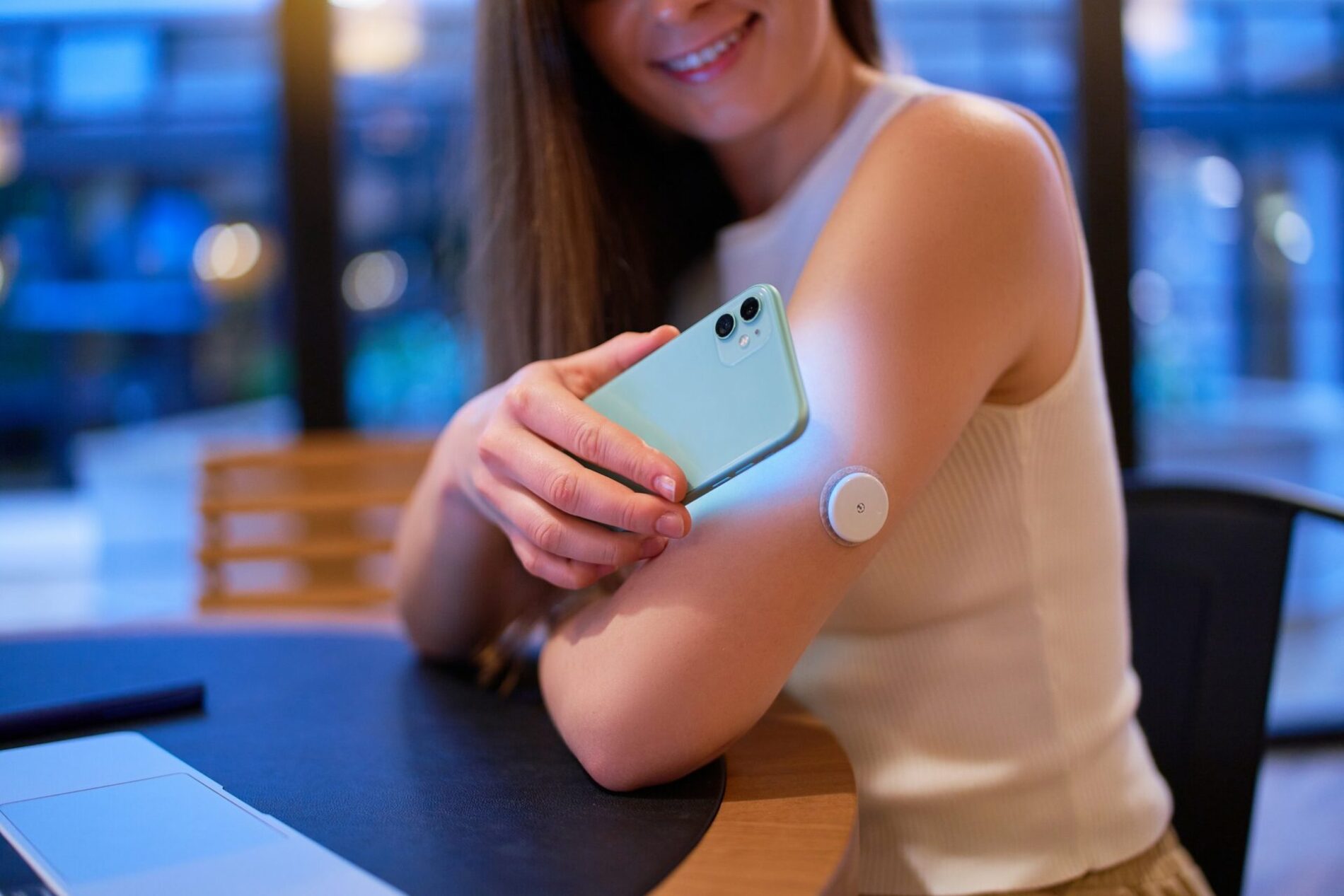
Decoding the Science Behind Continuous Glucose Monitoring: A Leap Forward in Diabetes Care
Continuous Glucose Monitoring (CGM) systems are transforming diabetes management, offering real-time data and personalized insights. Let’s explore how these innovative devices are reshaping patient care and improving outcomes for individuals with diabetes.
1. The Impact of Real-Time Data
CGM systems provide a continuous stream of glucose data, captured via sensors placed under the skin. This allows for personalized treatment strategies, surpassing traditional methods by capturing detailed glucose fluctuations. The availability of real-time insights helps individuals better manage their diet, exercise, and stress responses, leading to improved overall well-being.
2. Empowering Patients Through Engagement
Research indicates that CGM use increases patient engagement in self-care. Patients report greater knowledge about glucose influences and increased motivation to manage their condition. This enhanced understanding empowers individuals to communicate more effectively with healthcare providers, fostering a collaborative approach to diabetes management.
3. Clinical and Economic Considerations
The adoption of CGM technology has shown improvements in glycemic control and reduced instances of hypoglycemia. While economic factors such as cost-effectiveness and insurance coverage are important considerations, wider adoption of CGM has the potential to reduce health disparities and improve outcomes for a broader population.
4. Evidence from Recent Studies
Recent findings highlight the impact of CGM on key health metrics. For instance, Time in Range (TIR), which represents the percentage of time glucose levels are within the target range, is significantly higher with real-time CGM use compared to conventional blood glucose monitoring (CBG) in gestational diabetes.
From Raw Data to Life-Changing Insights: The Power of Data Management in Glucose Monitoring
Continuous Glucose Monitoring (CGM) systems are revolutionizing diabetes care. They provide a wealth of data, but the real power lies in how that data is managed and translated into actionable insights, empowering individuals to take control of their health.
1. Transforming Diabetes Care with Real-Time Data
CGM systems provide real-time glucose data through sensors placed under the skin, enabling personalized treatment strategies and better patient outcomes. This continuous stream of information captures detailed glucose fluctuations, which is a significant advantage over traditional methods. This constant monitoring allows for more effective management of diet, exercise, and stress responses, fundamentally changing how diabetes is managed.
2. CGM's Impact on Patient Engagement and Outcomes
The use of CGM enhances patient engagement in self-care. Individuals using CGM report greater understanding of factors influencing glucose levels and increased motivation to manage their condition. Short-term CGM use also leads to improved self-management and clinical outcomes, highlighting the importance of patient education to maximize the benefits of continuous data tracking.
3. CGM as a Standard of Care
There's a growing discussion around making CGM the standard of care. Clinical evidence suggests improved glycemic control, reduced hypoglycemia, and better patient engagement with CGM use. Economic factors, like cost-effectiveness and insurance coverage, are being considered to ensure wider adoption and reduce health disparities.
4. The Rise of CGM in the Digital Health Market
CGM systems are increasingly dominant in the digital health landscape. These systems provide frequent glucose data, often every few minutes, thanks to subcutaneous sensors. The lifespan of these sensors varies by model, but longer-lasting sensors are generally preferred for better patient adherence.
Beyond Numbers: Understanding the Comprehensive Benefits of Continuous Glucose Monitoring Systems
Continuous Glucose Monitoring (CGM) systems are changing diabetes management by providing real-time data and comprehensive insights. These systems offer more than just glucose values, enhancing treatment strategies and patient outcomes. Let's explore the multifaceted benefits of CGM technology.
1. Real-Time Data and Personalized Treatment
CGM systems deliver real-time glucose data through sensors placed under the skin, enabling personalized treatment strategies. This continuous monitoring helps in better managing diet, exercise, and stress responses, offering a significant advantage over traditional methods. The ability to capture detailed glucose fluctuations leads to improved patient outcomes and a more dynamic approach to diabetes care.
2. Enhanced Diabetes Self-Management
Even short-term use of CGM devices can significantly improve diabetes self-management and clinical results. Patient education plays a crucial role in maximizing the benefits of CGM, leading to improvements in HbA1c levels and time-in-range glucose metrics. The continuous data tracking empowers patients to take a more active role in their health.
3. CGM as a Standard of Care
Clinical evidence suggests that CGM should be the standard of care for managing diabetes. Studies detail improved glycemic control, reduced hypoglycemia, and enhanced patient engagement with CGM use. Wider adoption of CGM has the potential to reduce health disparities and transform traditional diabetes management into a more responsive process.
4. Increased Patient Engagement
CGM use has been shown to increase patient engagement in diabetes self-care compared to traditional self-monitoring methods. Patients using CGM report greater knowledge about factors influencing glucose levels, increased motivation to manage their condition, and improved communication with healthcare providers. This highlights CGM's role in empowering individuals to take control of their health.
Navigating Misconceptions About CGM Technology in Modern Healthcare
Continuous Glucose Monitoring (CGM) systems are revolutionizing diabetes care, yet misconceptions can hinder their effectiveness. Understanding these common pitfalls is crucial for maximizing the benefits of CGM technology and improving patient outcomes. Let’s clarify some frequent misunderstandings.
1. Decoding CGM Alerts Effectively
One common issue is misinterpreting CGM alerts, which can lead to dangerous glucose fluctuations if not addressed promptly. Proper education on alert meanings and appropriate responses is essential for preventing extreme glucose excursions.
2. The Myth of Full Automation
Another misconception is overreliance on CGM and insulin pumps, with some believing that these devices handle all aspects of diabetes management. Active participation, including occasional finger-stick testing, remains necessary for optimal control. The following table highlights some common misconceptions:
| Common Mistake / Misconception | Description | Impact on Diabetes Management |
|---|---|---|
| Misinterpreting CGM Alerts | Missing or misunderstanding alerts can lead to dangerous glucose excursions. | Increased stress, lack of confidence in CGM system |
| Overreliance on CGM and Insulin Pumps | Belief that devices do all the work; still requires active management and finger-stick testing. | Potential for mismanagement if users expect full automation |
| Diet Myths (e.g., Keto essential for T1D) | Keto diet may help some but is not universally beneficial; risks exist for certain individuals. | Incorrect diet choices could worsen health outcomes |
| Lack of Proper Education and Support | Insufficient training leads to improper sensor placement, alert fatigue, or ignoring lifestyle factors. | Reduced effectiveness of CGM technology |
3. Dietary Considerations and CGM
Dietary myths, such as the belief that a ketogenic diet is essential for those with Type 1 diabetes, also create confusion. While some may benefit, it's not universally applicable, and certain individuals may experience risks. Personalized dietary advice is key.
4. The Importance of Education and Support
Finally, a lack of proper education and support can significantly reduce the effectiveness of CGM technology. Insufficient training may lead to improper sensor placement, alert fatigue, or neglecting the impact of lifestyle factors on glucose levels.
The Future Landscape of Diabetes Care: The Role of Continuous Blood Glucose Monitoring
Continuous Glucose Monitoring (CGM) systems are revolutionizing diabetes management, offering real-time glucose data and personalized treatment strategies. These systems empower individuals to take control of their health, marking a significant shift in diabetes care.
1. The Impact of Real-Time Data
CGM systems provide near real-time insights into blood glucose fluctuations, enabling timely therapy adjustments and lifestyle modifications. By capturing detailed glucose patterns, CGMs facilitate better management of diet, exercise, and stress responses, surpassing the capabilities of traditional monitoring methods. This continuous data collection transforms diabetes management into a more dynamic and responsive process.
2. Enhancing Patient Engagement and Outcomes
The use of CGM increases patient engagement in diabetes self-care. Individuals using CGM report greater knowledge about factors influencing glucose levels, increased motivation to manage their condition, and improved communication with healthcare providers. Short-term CGM use has also been shown to significantly improve self-management and clinical outcomes in individuals with Type 2 diabetes.
3. CGM as a Standard of Care
The potential for CGM to become the standard of care for Type 2 diabetes is under evaluation. Clinical evidence demonstrates improved glycemic control, reduced hypoglycemia, and enhanced patient engagement with CGM use. While economic considerations and insurance coverage challenges exist, wider adoption of CGM could reduce health disparities.
Q&A
Question 1: What is the key metric derived from CGM data to assess glycemic control, and what is its typical target range?
Answer: The key metric is Time in Range (TIR), representing the percentage of time blood glucose levels stay within the target range. A typical target for TIR using CGM data is 70-80% or higher, indicating good glycemic control. Higher TIR percentages suggest better management of blood sugar levels.
Question 2: How does CGM use impact patient engagement and self-management of diabetes?
Answer: CGM significantly increases patient engagement in self-care. Users report a better understanding of factors influencing glucose levels and are more motivated to manage their condition. This leads to improved self-management behaviors and better clinical outcomes, even with short-term CGM use. Improved communication with healthcare providers is also observed.
Question 3: What are some common misconceptions about CGM technology that can hinder its effectiveness?
Answer: Misinterpreting CGM alerts is a major issue, potentially leading to dangerous glucose fluctuations. Overreliance on CGM and insulin pumps, without active participation (like finger-stick testing), is another concern. Incorrect dietary assumptions (e.g., believing a ketogenic diet is universally beneficial for Type 1 diabetes) also negatively impact effective CGM use. Finally, inadequate education and support can lead to improper sensor use and reduced effectiveness of the technology.
References:
- https://bioengineer.org/advancing-diabetes-care-the-role-of-cgm-systems/
- https://www.drugtopics.com/view/short-term-use-of-cgm-improves-outcomes-for-patients-with-type-2-diabetes
- https://globalrph.com/2025/08/continuous-glucose-monitoring-cgm-for-type-2-diabetes-should-it-be-the-standard/
- https://pmc.ncbi.nlm.nih.gov/articles/PMC12335428/