
Eco-Friendly Pet Aftercare: Honoring Our Pets with Sustainable Choices
In the United States, the bond between pets and their owners is stronger than ever, leading to a rise in the demand for compassionate and environmentally conscious pet aftercare options. Traditional methods of handling pet remains are evolving, with an increasing preference for eco-friendly alternatives. From green burial techniques to holistic memorial services, these choices not only honor our beloved companions but also reflect a growing awareness of our environmental impact. Understanding the legal guidelines and exploring supportive resources for pet loss can help navigate this sensitive journey with care and respect.
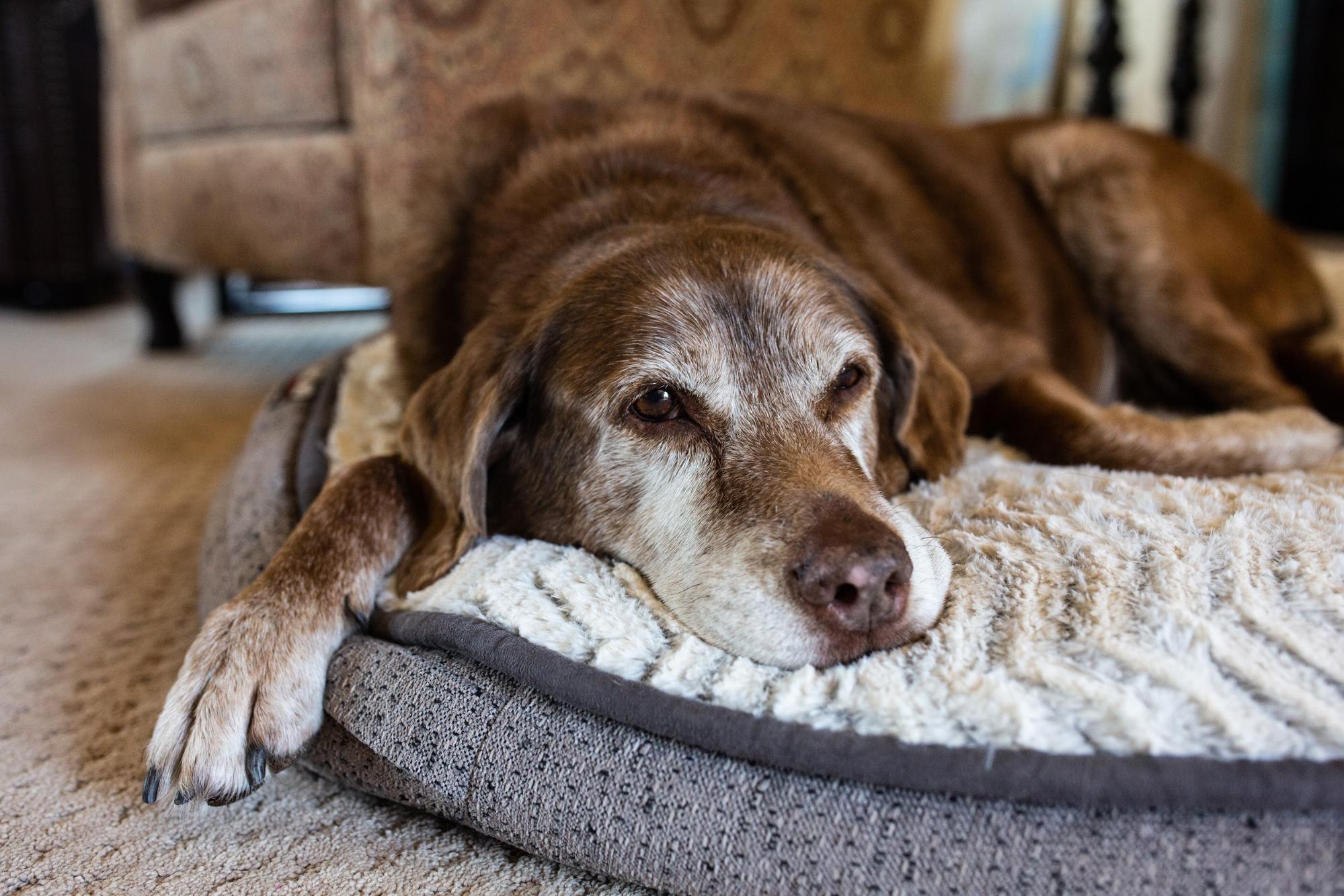
Understanding Eco-Friendly Pet Aftercare: Beyond Traditional Burial Options
As concerns about environmental sustainability continue to rise, many pet owners are exploring greener, more compassionate ways to honor their beloved pets after they pass. Traditional burial methods, while still common, are gradually being replaced by eco-friendly alternatives that align with the growing desire to reduce one's ecological footprint. These environmentally responsible choices not only reflect a shift in pet aftercare but also offer a deeper connection to the natural world, ensuring pets are treated with dignity in a way that benefits the environment.
1. The Rise of Green Burials
Green burials are gaining popularity as a sustainable alternative. These burials use biodegradable materials, avoiding embalming fluids and metal caskets that harm the environment. This approach aligns with the values of pet owners seeking minimal environmental impact. As people become more conscious of their ecological footprint, green burials provide a natural and respectful option.
2. Aquamation: A Gentle Alternative
Aquamation, also known as alkaline hydrolysis, is an eco-conscious alternative to cremation. This process uses water and alkali to gently break down the body, leaving behind only bone remains. Aquamation uses significantly less energy than cremation and produces no harmful emissions. With legislation permitting it in 28 states, aquamation is becoming a more accessible and accepted option.
3. Sustainability in the Pet Industry
The pet industry is seeing a surge in eco-friendly products and services. Pet daycares, for example, are growing, with forecasts indicating significant market expansion. This trend extends to aftercare, where options like green burial and aquamation are increasingly available.
Exploring the Science Behind Pet Cremation and Aquamation
The rise of pet cremation and aquamation reflects evolving attitudes toward aftercare. These methods offer pet owners respectful and environmentally conscious ways to memorialize their companions. Let's explore the science and trends driving these choices in the United States.
1. The Shift Towards Cremation
In recent years, there has been a noticeable shift in the way pets are memorialized in the U.S., with cremation becoming the preferred method over traditional burial. This transition reflects broader societal trends, including changing attitudes toward death, space constraints, and environmental concerns. The National Funeral Directors Association’s 2025 Cremation & Burial Report reveals a growing preference for cremation, which is becoming a more popular and accessible option for pet owners. Cremation offers a dignified and flexible means to honor pets, allowing owners to keep their pets' ashes in personalized urns, scatter them in meaningful locations, or even transform them into commemorative jewelry. This flexibility, combined with the convenience and reduced environmental impact, is driving the growing preference for cremation.
2. Environmental and Cost Factors
Several factors contribute to the rise in cremation and aquamation, particularly the environmental concerns and cost-effectiveness associated with traditional burial methods. Traditional pet burials can be expensive and require significant space, which many urban dwellers simply don’t have. Burial also involves the use of non-biodegradable materials like caskets and embalming fluids, which can harm the environment. On the other hand, cremation and aquamation provide eco-friendly alternatives. Cremation, while still releasing some emissions, uses significantly less land and resources. Aquamation, a newer process, is even more environmentally friendly, using water and alkali to break down the body in a process that consumes much less energy and produces no harmful fumes. Both options are also typically less expensive than traditional burials, making them more accessible for pet owners seeking affordable yet meaningful ways to say goodbye to their pets.
3. Eco-Friendly Pet Aftercare
The growing interest in eco-friendly pet aftercare is perhaps the most significant factor influencing the rise of cremation and aquamation. As society becomes increasingly aware of environmental issues, pet owners are looking for ways to memorialize their pets that align with their values of sustainability. Aquamation, for instance, is regarded as a much greener option than traditional cremation. Unlike cremation, which involves high temperatures and produces emissions, aquamation uses water, heat, and alkali to break down the body in a gentle, chemical-free manner. The process uses less energy and does not release harmful substances into the air. In addition, because aquamation relies on water, it does not require large amounts of fuel, making it one of the most sustainable methods of pet aftercare available today. Pet owners increasingly see this as a way to honor their pets while also protecting the planet.
4. The Future of Pet Memorials
As cremation technology continues to advance, its environmental footprint is expected to further reduce. Innovations in cremation technology, such as the development of more energy-efficient cremators and advancements in aquamation methods, mean that pet aftercare will continue to become more eco-friendly. Additionally, there is a growing trend toward personalization in pet memorials. Pet owners are increasingly seeking ways to personalize their pets’ final resting places, whether through engraved urns, memorial gardens, or keepsakes. The future of pet memorials will likely be shaped by an increasing demand for personalized, sustainable, and affordable options. By 2045, it’s expected that cremation will surpass burials by a six-to-one ratio, further solidifying cremation as the primary method of pet aftercare in the U.S. This trend indicates that, as pet aftercare becomes more sustainable and customizable, cremation and aquamation will remain central to how we honor our pets in the years to come.
Choosing the Right Aftercare Provider: What to Consider for Your Beloved Pet
Losing a pet is an incredibly difficult experience. When the time comes to consider aftercare, making informed decisions ensures your beloved companion is treated with the respect they deserve. Understanding available options and what to look for in a provider can bring comfort during this challenging time.
1. Understanding Aftercare Options
Pet aftercare encompasses a range of services, from traditional burial to eco-friendly alternatives like aquamation. Consider what aligns with your values and preferences. Some providers offer memorial services to honor your pet's memory. Evaluating these options helps ensure you choose a respectful and meaningful farewell.
2. Assessing Environmental Impact
Eco-friendly aftercare methods are gaining popularity. Aquamation, for example, uses significantly less energy than cremation. If environmental concerns are a priority, research providers offering these sustainable options. Understanding the environmental benefits can guide you toward a choice that aligns with your principles.
3. Evaluating Costs and Availability
Costs for pet aftercare services vary widely depending on the chosen method and provider. Get detailed pricing information upfront to avoid surprises. Check for availability in your area and any logistical considerations, such as transportation. Planning ahead can alleviate stress during an emotional time.
4. Prioritizing Transparency and Support
Choose a provider that is transparent about their processes and provides compassionate support. Look for those who offer grief resources or counseling services. A caring and understanding provider can make a significant difference in navigating your grief journey and honoring your pet's life.
Q&A
Question 1: What is aquamation, and why is it considered an eco-friendly alternative?
Answer: Aquamation, or alkaline hydrolysis, is an eco-friendly alternative to traditional cremation that uses water and alkali to gently break down the body, leaving only bone remains. It consumes significantly less energy and produces no harmful emissions, making it an environmentally conscious choice for pet aftercare.
Question 2: How do environmental concerns drive the shift towards cremation and aquamation for pets?
Answer: Environmental concerns push the shift as traditional burials are expensive and space-consuming. Both cremation and aquamation offer more sustainable options, aligning with the growing demand for environmentally friendly and cost-effective pet aftercare solutions that minimize ecological impact.
Question 3: What factors should pet owners consider when choosing a pet aftercare provider?
Answer: Pet owners should consider environmental impact, cost, availability, provider transparency, and support services. It's crucial to choose a provider that aligns with personal values regarding sustainability and offers clear information about their processes and potential emotional support services.
Question 4: Why is transparency important in choosing an eco-friendly pet aftercare service provider?
Answer: Transparency helps build trust by ensuring the client that the provider follows legal guidelines and thoroughly understands eco-friendly practices like aquamation. This clarity is crucial for making informed decisions and ensuring the respectful handling of a pet's remains.