
How to Choose the Right HVAC Repair Company: 5 Factors to Keep in Mind
In today’s world, maintaining a comfortable indoor environment is essential, and your HVAC system plays a crucial role in achieving that. However, when it comes to repairs, finding the right company for the job can be overwhelming. Let’s break it down by examining five key factors you must consider before making your choice.
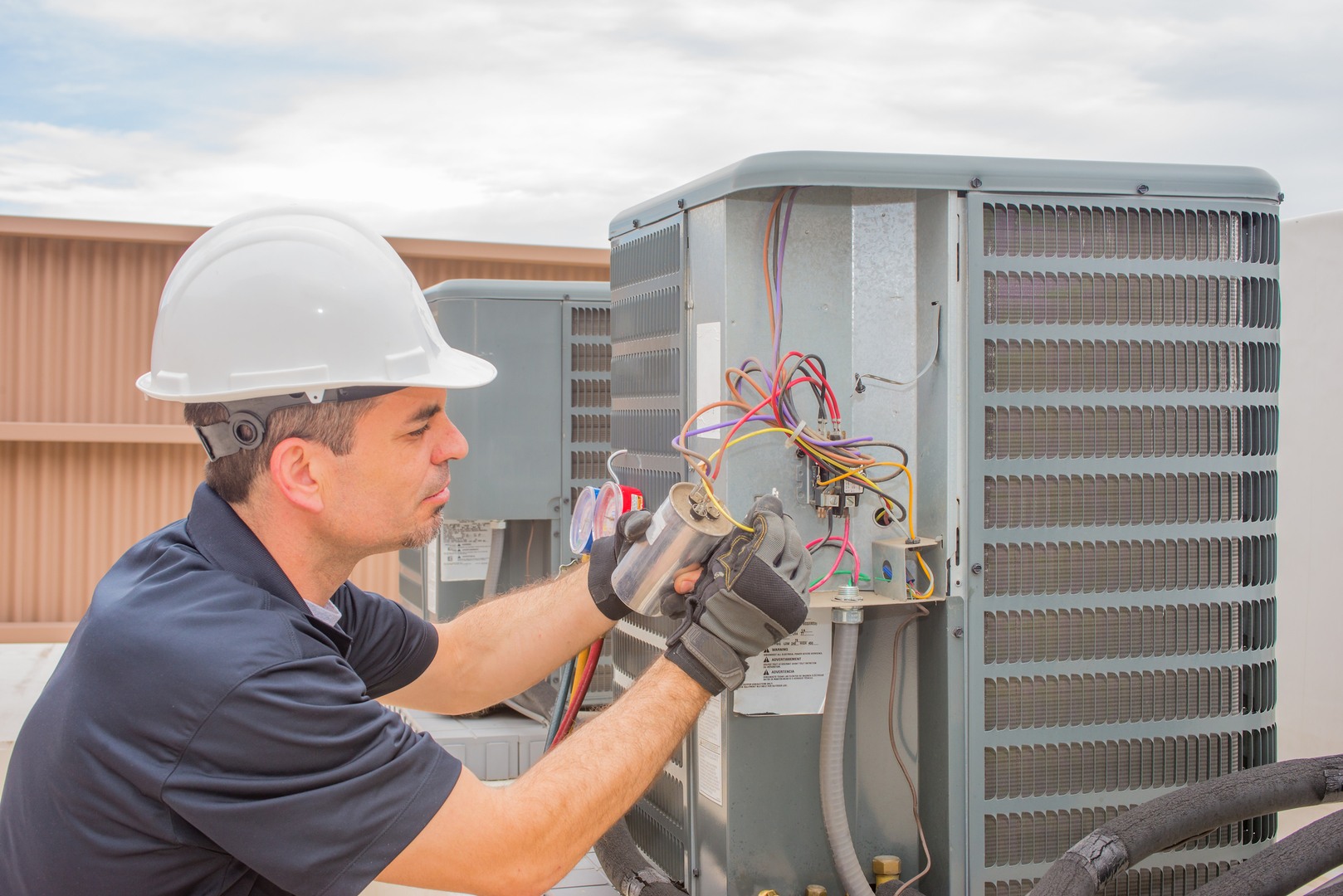
What Are the Essential Components of an HVAC System?
Your first step in navigating HVAC repairs is understanding what you’re dealing with. HVAC systems contain several fundamental components, each of which plays a specific role in keeping your home or office comfortable. Familiarizing yourself with these can help you better communicate issues to your repair technician.
1. The Furnace
This is typically the largest component of your HVAC system. Its job is to heat air and circulate it throughout your space via ducts. Common repair issues include worn-out motors, clogged burners, and cracks in the heat exchanger, which can lead to inefficiency or even safety concerns.
2. The Air Conditioner
The AC unit is responsible for cooling your home. Key components include the compressor, condenser coil, and evaporator. Ensure that any repair company you consider has specific expertise in diagnosing and fixing AC issues, such as refrigerant leaks or faulty compressors.
3. Thermostat
Often overlooked, the thermostat is the control panel for your system. Modern thermostats, especially smart ones, present their own set of repair and recalibration challenges. A qualified repair company should understand both traditional and smart thermostat systems.
4. Ductwork
Your system’s air ducts distribute air throughout your space. Leaky ducts can result in significant energy inefficiencies and uneven heating or cooling. Repairing duct issues requires specialized tools and expertise.
5. The Air Handler
If your HVAC system includes a heat pump, the air handler works alongside it to distribute air. Be aware of issues stemming from clogged filters, electrical malfunctions, and motor problems here as well.
Knowing these components not only increases your confidence when speaking to repair technicians but also minimizes the risk of unnecessary or overpriced repairs.
Have You Done Your Research?
Selecting the first HVAC company that pops up in your search results might seem convenient, but it’s hardly the most reliable approach. Spending time on research can save you from costly mistakes later.
Start by checking online reviews and testimonials. Reliable platforms like Yelp, Google Reviews, or even your local Better Business Bureau (BBB) website can provide honest experiences from other customers. Look for patterns in reviews—are there consistent complaints about poor customer service or unskilled technicians? Positive trends, such as punctuality and professional demeanor, are equally telling.
Next, get recommendations from people you trust. Ask neighbors, family, or coworkers about their experiences with HVAC repair companies. Personal referrals can often lead you to reputable businesses that maintain high standards.
Lastly, research whether the company has recently resolved any complaints on platforms like the BBB. A transparent and timely resolution demonstrates a company’s dedication to customer satisfaction.
Does the Company Offer Guarantees or Warranties?
No matter how skilled a repair technician is, mistakes happen, or repairs may not last as long as expected due to unforeseen issues. That’s where warranties and guarantees come in.
Repair Warranties
The HVAC repair company should provide a warranty on their labor and any replacement parts. Short-term guarantees (30 to 90 days) might not inspire confidence. Aim for companies that offer a minimum of one year.
Satisfaction Guarantees
Another factor to inquire about is whether they provide a satisfaction guarantee. This ensures they will return to fix any issues at no extra cost if your system doesn’t perform as promised after the repair.
Written Contracts
Ask whether warranties are clearly outlined in a written contract. Verbal commitments can be unreliable and may leave you without recourse if something goes wrong down the road.
Are the Technicians Certified and Licensed?
The quality of any HVAC repair job heavily relies on the expertise of the technicians. Licensing and certification are not mere formalities—they’re crucial indicators of a technician’s qualifications.
Licenses
Most states require HVAC technicians to have a license to perform repairs. Confirm that the company complies with your state’s licensing requirements. You can usually find this information either on their website or by contacting your state’s Department of Labor or equivalent agency.
Industry Certifications
Well-trained technicians often carry certifications from organizations like the North American Technician Excellence (NATE) program. These certifications demonstrate competency in handling a variety of HVAC system issues.
Insurance
Finally, ensure the company is insured. Liability insurance protects you in case of accidental damage to your property during the repair process.
Can They Provide a Detailed Cost Estimate?
A clear, upfront cost estimate is critical. Avoid companies that are hesitant to provide this or offer vague explanations. Reliable HVAC repair companies should do the following:
-
Conduct a Thorough Inspection
A technician should visit your property to physically assess the problem. Beware of companies that offer phone or online estimates without seeing your system in person.
-
Provide a Written Quote
The quotation should break down all expenses, including labor, replacement parts, and additional fees like emergency service charges. Transparent pricing allows you to avoid hidden costs down the line.
Before agreeing to any repairs, compare estimates from at least two other companies to ensure the pricing is fair.
Ready to Make an Informed Decision?
By now, you’ve gathered a toolkit of information to help you identify the right HVAC repair company. But don’t stop here—exploring further resources and asking the right questions will ensure you make an educated choice that keeps your HVAC system running efficiently for years to come.
Q&A: Questions You Might Have About HVAC Repairs
Q1: How often should I have my HVAC system serviced?
A: Ideally, you should schedule maintenance twice a year—once in the spring for your AC and once in the fall for your heater. Regular maintenance helps prevent the need for costly repairs.
Q2: What is the average cost of HVAC repairs?
A: The cost can range from $150 for basic fixes like thermostat recalibration to over $1,000 for significant repairs like replacing the compressor. Pricing depends on the specific issue and your location.
Q3: Should I repair or replace my HVAC system?
A: Consider replacement if your HVAC system is older than 15 years or if the cost of repairs exceeds 50% of the price of a new system. Consult a trusted technician for advice specific to your situation.
Q4: How long do HVAC repairs typically take?
A: Minor repairs can often be completed within a few hours, while more extensive repairs might take a day or longer. Your technician should provide an estimated timeline after diagnosing the problem.
Q5: What are signs that my HVAC system needs repair?
A: Common indicators include uneven heating or cooling, strange noises, unpleasant odors, frequent cycling, and rising energy bills.
References:
-
HVAC.com: https://www.hvac.com
-
Energy.gov: https://www.energy.gov
-
Better Business Bureau (BBB): https://www.bbb.org