
HVAC: Smart Solutions for a Sustainable Future
The HVAC industry is evolving as sustainability and energy efficiency become global priorities, with buildings accounting for a major share of energy use. Smart technologies are revolutionizing the sector, enabling optimized energy consumption, better air quality, and easier maintenance.
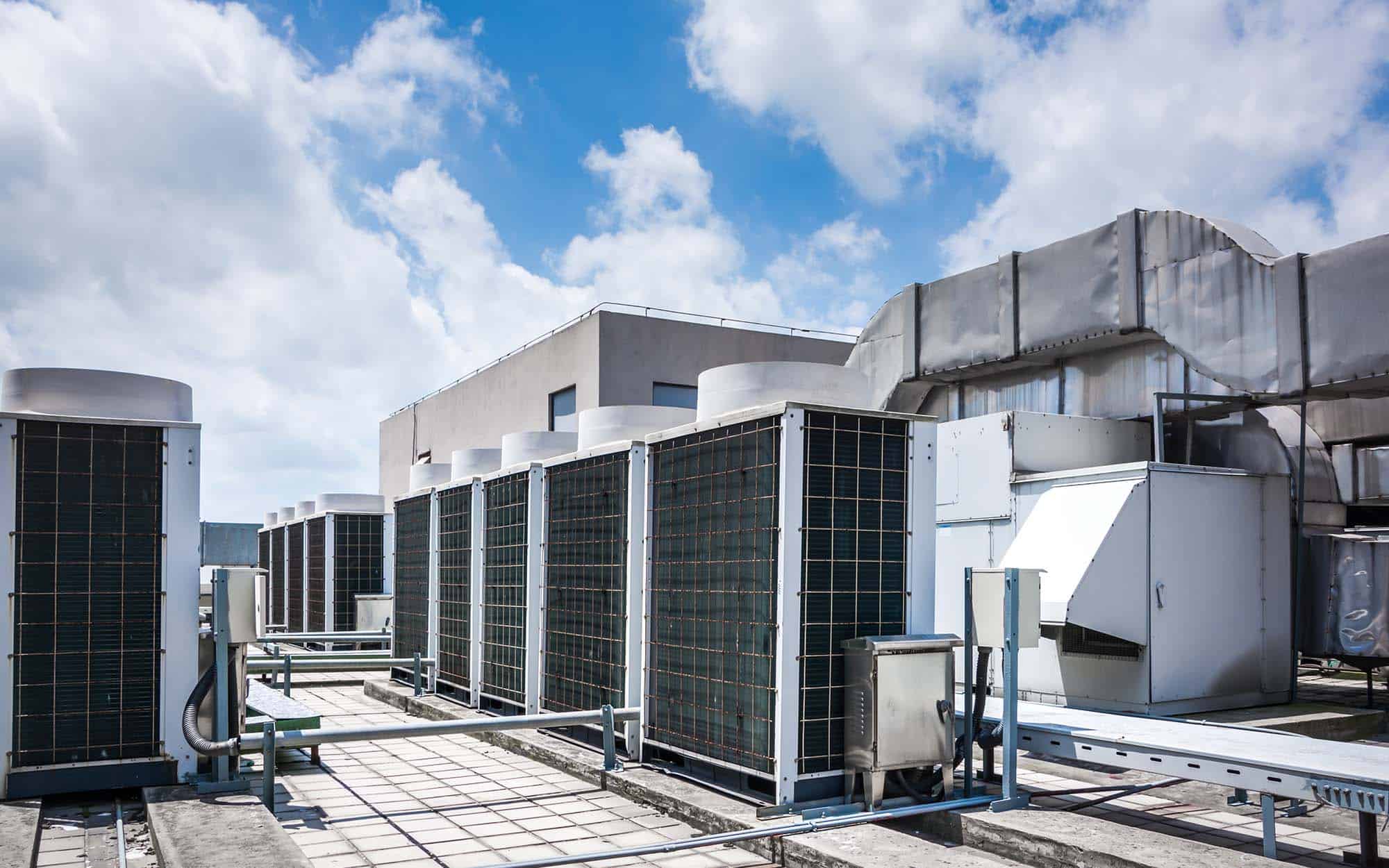
Understanding the Basics: How HVAC Systems Work
HVAC systems are essential for maintaining comfortable and healthy indoor environments by controlling temperature, humidity, and air quality. They play a crucial role in both residential and commercial buildings, ensuring optimal living and working conditions.
| Component | Function | Maintenance Tip |
|---|---|---|
| Air Filter | Removes dust, pollen, and other particles from the air. | Replace every 1-3 months. |
| Thermostat | Controls the HVAC system by sensing the temperature and signaling the system to turn on or off. | Ensure proper calibration and placement. |
| Evaporator Coil | Cools the air by absorbing heat from the indoor environment. | Clean regularly to prevent mold growth. |
Data Source: Energy Star, U.S. Department of Energy, EPA (2024-2025)
1. Heating Components
Heating components within an HVAC system typically involve a furnace or heat pump. Furnaces burn fuel, such as natural gas or propane, to generate heat, which is then distributed through ductwork. Heat pumps, on the other hand, transfer heat from the outside air (or ground) into the building. These systems are designed to efficiently raise the indoor temperature to a desired level, providing warmth during colder months. Regular maintenance, including filter replacement and burner cleaning, ensures optimal performance and energy efficiency.
2. Cooling Components
Cooling in HVAC systems primarily relies on air conditioners or heat pumps operating in cooling mode. Air conditioners use a refrigerant to absorb heat from indoor air and release it outside, lowering the temperature. Heat pumps reverse the process used for heating, extracting heat from inside the building and transferring it outdoors. Proper refrigerant levels and clean coils are essential for efficient cooling. These components work together to provide a comfortable indoor environment during warmer periods.
3. Ventilation Systems
Ventilation is a critical aspect of HVAC systems, ensuring fresh air circulation and removing stale or contaminated air. This is achieved through a network of ducts, fans, and vents that distribute conditioned air throughout the building. Ventilation systems also play a role in controlling humidity levels and reducing the concentration of indoor pollutants. Proper ventilation is essential for maintaining healthy indoor air quality and preventing the buildup of mold and other allergens.
4. Air Filtration Processes
Air filtration is a key function of HVAC systems, removing particles and contaminants from the air. Air filters trap dust, pollen, pet dander, and other airborne particles, improving indoor air quality. High-efficiency particulate air (HEPA) filters can remove even smaller particles, such as bacteria and viruses. Regular filter replacement is crucial for maintaining optimal air quality and preventing the buildup of contaminants within the system.
The Role of Smart Technology in Modern HVAC Solutions
Smart technology is revolutionizing HVAC systems, offering enhanced control, efficiency, and convenience. These advancements are transforming how we manage indoor climates, making our environments more comfortable and sustainable.
1. Smart Thermostats and Energy Efficiency
Smart thermostats are a cornerstone of smart HVAC systems. These devices learn user preferences and automatically adjust temperature settings to optimize energy consumption. Many models offer remote control via smartphone apps, allowing users to adjust settings from anywhere. Some thermostats also integrate with weather forecasts to proactively adjust heating or cooling based on anticipated conditions. This leads to significant energy savings and reduced utility bills. Smart thermostats contribute to a more sustainable approach to climate control by minimizing energy waste and promoting efficient usage.
2. Predictive Maintenance with AI
Artificial intelligence (AI) is playing an increasingly important role in HVAC maintenance. AI-powered systems can analyze data from sensors embedded in HVAC equipment to predict potential failures before they occur. This allows for proactive maintenance, reducing downtime and extending the lifespan of the equipment. Predictive maintenance can also optimize system performance, ensuring that HVAC systems operate at peak efficiency. This technology helps businesses and homeowners avoid costly repairs and maintain a comfortable indoor environment.
3. Zone Control for Personalized Comfort
Zone control systems divide a building into different zones, each with its own temperature settings. This allows for personalized comfort, as individuals can adjust the temperature in their specific area without affecting other parts of the building. Zone control systems can also improve energy efficiency by only heating or cooling occupied areas. Smart zone control systems can be integrated with occupancy sensors, automatically adjusting temperatures based on whether a room is in use. This targeted approach to heating and cooling minimizes energy waste and maximizes comfort.
Eco-Friendly Innovations in HVAC for a Sustainable Future
HVAC systems significantly impact energy consumption. Innovations are crucial for minimizing environmental footprint and promoting a sustainable future. This involves developing energy-efficient technologies and practices.
1. Smart HVAC Systems and IoT Integration
Smart HVAC systems leverage Internet of Things (IoT) technology to optimize performance. Sensors gather data on temperature, humidity, and occupancy. This data informs automated adjustments, minimizing energy waste and maximizing comfort. Predictive maintenance, enabled by IoT, can also reduce system downtime and extend equipment lifespan. Integrating with smart grids further enhances efficiency by responding to real-time energy demand and price signals.
2. Advanced Refrigerants and Heat Transfer Fluids
Traditional refrigerants contribute significantly to global warming. Research focuses on developing environmentally friendly alternatives with lower Global Warming Potential (GWP). Natural refrigerants, such as carbon dioxide (CO2) and ammonia (NH3), are gaining traction. Innovations in heat transfer fluids also improve system efficiency by enhancing heat exchange capabilities. These advancements reduce the environmental impact of HVAC systems.
3. Energy Recovery Ventilation (ERV) Systems
ERV systems capture waste heat or cool air from exhaust streams and use it to pre-condition incoming fresh air. This reduces the load on the heating and cooling equipment, resulting in significant energy savings. ERV technology is particularly effective in buildings with high ventilation requirements, such as hospitals and laboratories. It improves indoor air quality while minimizing energy consumption.
4. Sustainable Building Design and HVAC Optimization
Integrating HVAC design with sustainable building practices maximizes energy efficiency. Passive design strategies, such as proper insulation, shading, and natural ventilation, reduce the demand for mechanical heating and cooling. Optimizing building orientation and window placement can also minimize solar heat gain. A holistic approach to building design and HVAC integration promotes long-term sustainability.
Maximizing Energy Efficiency: Strategies and Benefits in HVAC Systems
HVAC (Heating, Ventilation, and Air Conditioning) systems consume significant energy in buildings. Optimizing their efficiency not only reduces energy bills but also minimizes environmental impact, contributing to a more sustainable future.
1. Regular Maintenance and Filter Replacement
Regular maintenance is crucial for HVAC systems. Dirty filters restrict airflow, forcing the system to work harder and consume more energy. Cleaning or replacing filters monthly or quarterly, depending on usage and air quality, can significantly improve efficiency. Additionally, annual professional checkups can identify and address potential issues like refrigerant leaks or malfunctioning components, preventing energy waste and costly repairs. Proper maintenance ensures optimal performance and extends the lifespan of the HVAC system.
2. Smart Thermostat Installation and Programming
Smart thermostats offer advanced control over HVAC systems. They learn your heating and cooling preferences and automatically adjust the temperature based on occupancy and time of day. Programmable thermostats allow users to set different temperatures for different times, reducing energy consumption when the building is unoccupied. Smart thermostats can be controlled remotely via smartphone apps, providing flexibility and convenience. These features can lead to significant energy savings and improved comfort.
3. Duct Sealing and Insulation
Leaky ducts can result in significant energy loss in HVAC systems. Air ducts that are poorly sealed or insulated allow conditioned air to escape, forcing the system to work harder to maintain the desired temperature. Sealing ducts with mastic sealant or metal tape and insulating them can prevent air leakage and improve energy efficiency. This is particularly important in unconditioned spaces like attics and crawl spaces. Properly sealed and insulated ducts ensure that conditioned air reaches its intended destination, reducing energy waste.
4. Upgrading to High-Efficiency Equipment
Replacing old, inefficient HVAC equipment with newer, high-efficiency models can yield substantial energy savings. Look for systems with high Seasonal Energy Efficiency Ratio (SEER) ratings for cooling and high Annual Fuel Utilization Efficiency (AFUE) ratings for heating. ENERGY STAR certified products meet strict energy efficiency guidelines and offer superior performance. While the initial investment may be higher, the long-term energy savings and reduced environmental impact make it a worthwhile upgrade.
Q&A
Question 1: What are the main components of a typical HVAC system, and what are their primary functions?
Answer: A typical HVAC system includes an air filter (removes particles), a thermostat (controls temperature), and an evaporator coil (cools the air). Heating components might be a furnace (burns fuel for heat) or a heat pump (transfers heat). Cooling relies on air conditioners or heat pumps in cooling mode. Ventilation systems circulate fresh air and remove stale air. Air filtration processes remove particles and contaminants.
Question 2: How does smart technology enhance the efficiency and convenience of modern HVAC systems?
Answer: Smart technology offers several key improvements. Smart thermostats learn user preferences and automatically adjust temperatures, saving energy and offering remote control. Predictive maintenance, using AI, analyzes sensor data to predict failures, reducing downtime. Zone control allows personalized comfort by adjusting temperatures in specific areas.
Question 3: What are some eco-friendly innovations aimed at reducing the environmental impact of HVAC systems?
Answer: Several innovations promote sustainability. Smart thermostats optimize energy use. High-efficiency air filters improve air quality and reduce system strain. Geothermal heat pumps utilize the earth's temperature for heating and cooling, significantly saving energy. Solar-powered HVAC systems reduce reliance on fossil fuels. Advanced refrigerants minimize global warming potential.
Question 4: What strategies can maximize energy efficiency in HVAC systems, and what are the associated energy savings?
Answer: Regular maintenance (5-15% savings), smart thermostat installation (10-20% savings), duct sealing (10-30% savings), and upgrading to high-efficiency equipment (20-40% savings) are key strategies. These measures improve system performance, reduce energy waste, and extend equipment lifespan.
References:
- https://www.mordorintelligence.com/industry-reports/united-states-hvac-services-market
- https://www.businesswire.com/news/home/20250626240771/en/
- https://www.marketsandmarkets.com/Market-Reports/hvac-system-market-202111288.html
- https://reachdigitalgroup.com/hvac-trends-2025/
- https://www.capstonepartners.com/insights/article-hvac-services-ma-update/