
Keeping Your Heating System Reliable With Year-Round Furnace Care
Proper furnace maintenance helps homeowners reduce energy costs, improve safety, and extend equipment life. By combining cleaning practices, preventative care, and smart technology, households can enjoy reliable heating throughout winter while minimizing environmental impact and avoiding costly emergency repairs.
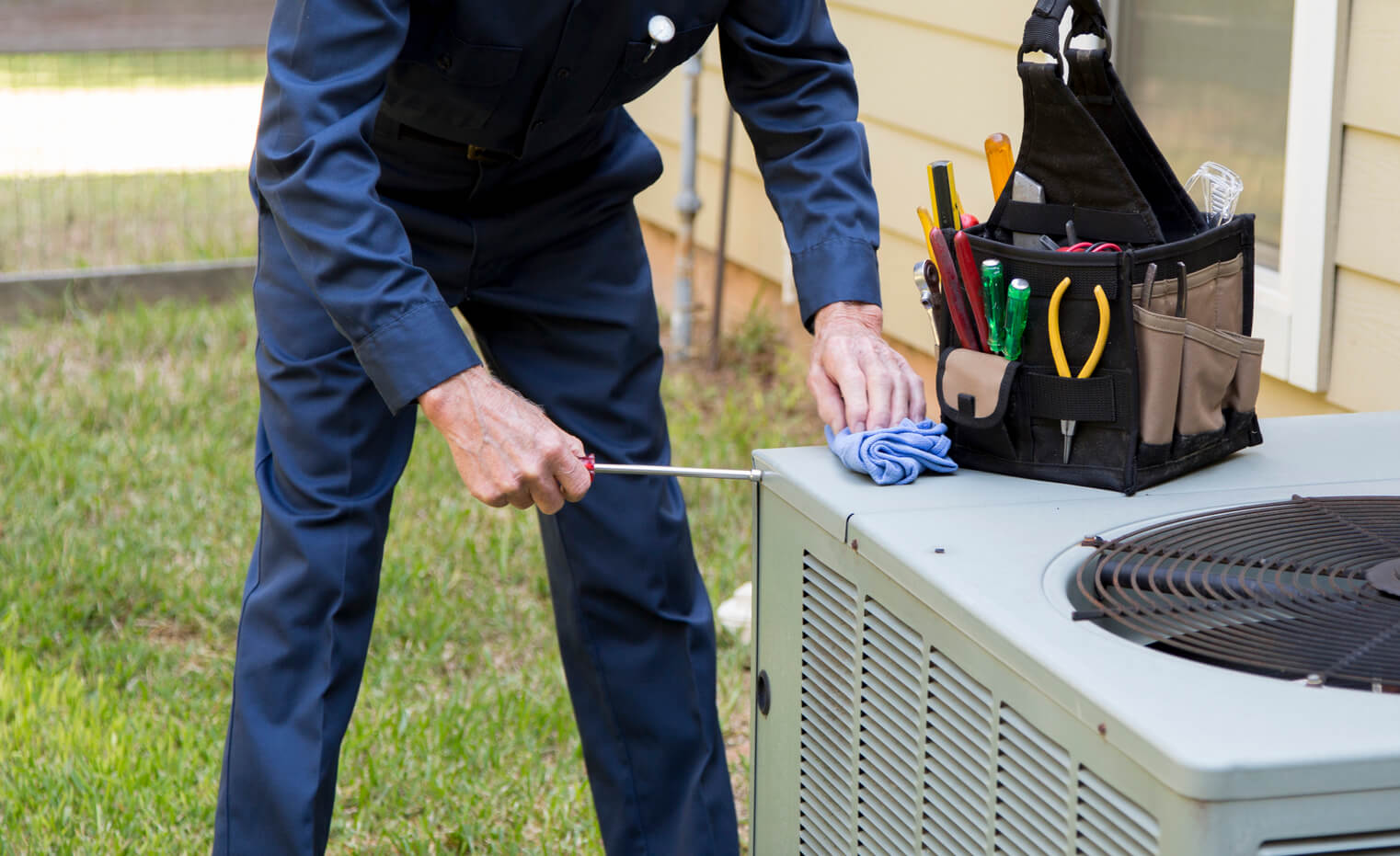
Why Furnace Maintenance is Important for Winter
Rising Demand for Heating Systems
As temperatures drop, the demand for reliable heating systems in American households rises sharply. A furnace that operates without proper maintenance consumes more energy than necessary, placing additional strain on both equipment and utility budgets. When efficiency decreases, households face higher energy use, which directly impacts comfort and affordability. At the same time, the stress on the system grows, increasing the likelihood of wear and failure during the coldest periods.
The Financial Impact of Neglect
When furnaces are left unchecked, their performance inevitably declines. Filters clog, airflow weakens, and mechanical parts work harder to deliver the same amount of heat. Over time, these inefficiencies translate into higher operating costs and greater demand for fuel or electricity. What could otherwise be a smooth, cost-effective process becomes unnecessarily expensive. Regular maintenance helps stabilize these costs, ensuring families are not burdened by sudden spikes in energy use.
Extending the Lifespan of Equipment
Furnaces are designed to operate over many years, but their durability is closely tied to the quality of upkeep. Without proper care, critical components wear out faster, leading to premature breakdowns. Even small issues, if ignored, accumulate into larger problems that compromise the entire system. Maintenance helps prevent these failures, ensuring that each part of the furnace continues to function in balance. The result is a system that performs reliably year after year, delaying the need for replacement.
Winter Heating Maintenance Tips
Furnace and Duct Cleaning
Ductwork is one of the most important yet often overlooked components of a heating system. Its function is to distribute warm air evenly throughout the home. When ducts accumulate dust, debris, or even mold, airflow becomes restricted. This not only forces the furnace to work harder but also reduces the overall efficiency of the system. Another consequence is that allergens and particles trapped in the ducts are continuously circulated indoors, potentially affecting air quality. Professional duct cleaning helps restore smooth airflow, supports energy efficiency, and contributes to a healthier living environment.
Air Filters
Air filters are the first line of defense for both the furnace and the air occupants breathe. A clean filter ensures steady airflow and protects the blower motor and other sensitive components from dust buildup. When filters are neglected, the system struggles to push air through, leading to higher energy consumption and unnecessary wear. In addition, indoor air quality suffers, especially in homes with pets, smokers, or individuals with respiratory sensitivities. Regular filter replacement is a simple, cost-effective habit that prevents strain on equipment while maintaining cleaner indoor air.
Insulation and Sealing
Even the most efficient furnace cannot perform at its best if the home is poorly insulated. Drafts around windows, doors, and attic spaces allow heat to escape, forcing the system to run longer to maintain a comfortable temperature. Sealing gaps, adding weatherstripping, and improving attic insulation help reduce this energy loss. Beyond lowering heating costs, effective insulation improves overall comfort by eliminating cold spots and stabilizing indoor temperatures. Proper insulation and sealing also complement other maintenance practices, ensuring the furnace doesn’t overcompensate for preventable heat loss.
Leveraging Technology for Efficient Heating
Smart home furnace systems have transformed energy management. Connected thermostats learn household patterns, adjust temperatures automatically, and provide alerts for maintenance needs. This not only improves comfort but also prevents wasted energy when nobody is home. According to the Department of Energy, programmable and smart thermostats can reduce heating costs by up to ten percent annually.
Air conditioning and heating HVAC systems that integrate both cooling and heating functions also benefit from modern controls. Zoning technology, for example, allows different areas of the house to be heated independently, ensuring unused rooms do not waste energy. Pairing these technologies with preventative maintenance further improves efficiency.
The ability to track energy use through smartphone applications also encourages smarter behavior. Homeowners can monitor usage in real time and adjust schedules when they notice spikes, ultimately saving money while extending furnace performance.
Supplemental Heating Sources
Relying solely on a central furnace can sometimes be costly or inefficient. Supplemental heating sources provide targeted solutions that reduce strain on the main system.
Portable space heaters are effective for warming specific rooms without requiring the furnace to heat the entire home. However, they must be used safely, following all fire safety guidelines.
Fireplaces, particularly modern gas fireplaces, can offer additional warmth and ambiance. While traditional wood-burning fireplaces often waste heat through the chimney, well-designed alternatives improve efficiency and reduce reliance on the furnace.
Some older homes still rely on gravity furnace heat exchangers, which use natural convection instead of blowers to move air. Though less efficient, upgrading these systems with modern exchangers can improve performance without requiring full replacement.
Heat pumps, while technically separate from furnaces, also serve as supplemental or alternative heating systems in milder climates. They reduce the burden on furnaces by operating efficiently during moderate winter days.
Preventative Maintenance Strategies
Preventative strategies are the foundation of furnace care. Routine do-it-yourself actions like filter replacement and keeping vents clear are important, but professional inspections are critical to detect hidden problems. A technician can identify dangerous issues such as cracked heat exchangers, faulty ignition systems, or failing blower motors.
Industrial furnace systems used in manufacturing environments require even stricter maintenance due to heavy usage and safety regulations. Their scale and complexity demand specialized inspections. Similarly, commercial building furnaces that heat office spaces or multi-unit dwellings must be maintained with consistency. These larger systems often include advanced zoning, more extensive duct networks, and heavier operational loads.
Different types of heating systems for commercial buildings, including boilers, forced-air furnaces, radiant heating, and combined heat and power units, each come with unique maintenance demands. Boilers require regular water treatment, while radiant systems must be inspected for leaks. Preventative maintenance ensures that these systems operate safely, meet regulatory standards, and reduce operational downtime.
Ensuring Home Safety During Severe Weather
Winter storms and severe weather events highlight the importance of furnace readiness. Prolonged power outages can leave homes without heat, creating dangerous conditions for families. Preparing with backup solutions improves resilience.
Emergency kits containing flashlights, blankets, portable heaters, and non-perishable food are essential during outages. A home generator provides a reliable way to keep the furnace running when the grid goes down, particularly for systems with electric ignition.
Carbon monoxide safety is another critical consideration. Malfunctioning furnaces can emit this colorless, odorless gas, which can be lethal. Installing carbon monoxide detectors on each level of the home adds a layer of protection, alerting residents to potential leaks.
Insulating the home further enhances safety during storms. Properly sealed doors and windows keep heat inside longer, buying valuable time if the furnace shuts down during extreme weather.
Cost Savings and Environmental Impact
Furnace maintenance is not only about comfort—it directly affects household budgets and environmental sustainability. A clean, efficient system consumes less fuel, translating into measurable savings over an entire heating season. Even a ten percent efficiency improvement can save hundreds of dollars annually.
Environmentally, the impact is equally significant. Heating contributes a substantial portion of residential carbon emissions. Natural gas furnaces produce fewer emissions compared to heating oil or propane, but inefficiencies increase output regardless of fuel type. Regular servicing reduces waste, supporting efforts to cut household emissions.
Smart thermostats and efficient filters further reduce a furnace’s carbon footprint. When combined with insulation upgrades and responsible supplemental heating, these practices align with broader goals of energy conservation and environmental stewardship.