
Make Mealtime Simple and Nutritious: A Practical Guide to Medicare Meal Services
Discover how seniors can access healthy, ready-to-eat meals through Medicare Advantage and other programs. Learn about dietary needs, delivery options, and smart tech solutions to simplify nutrition and support independent living.
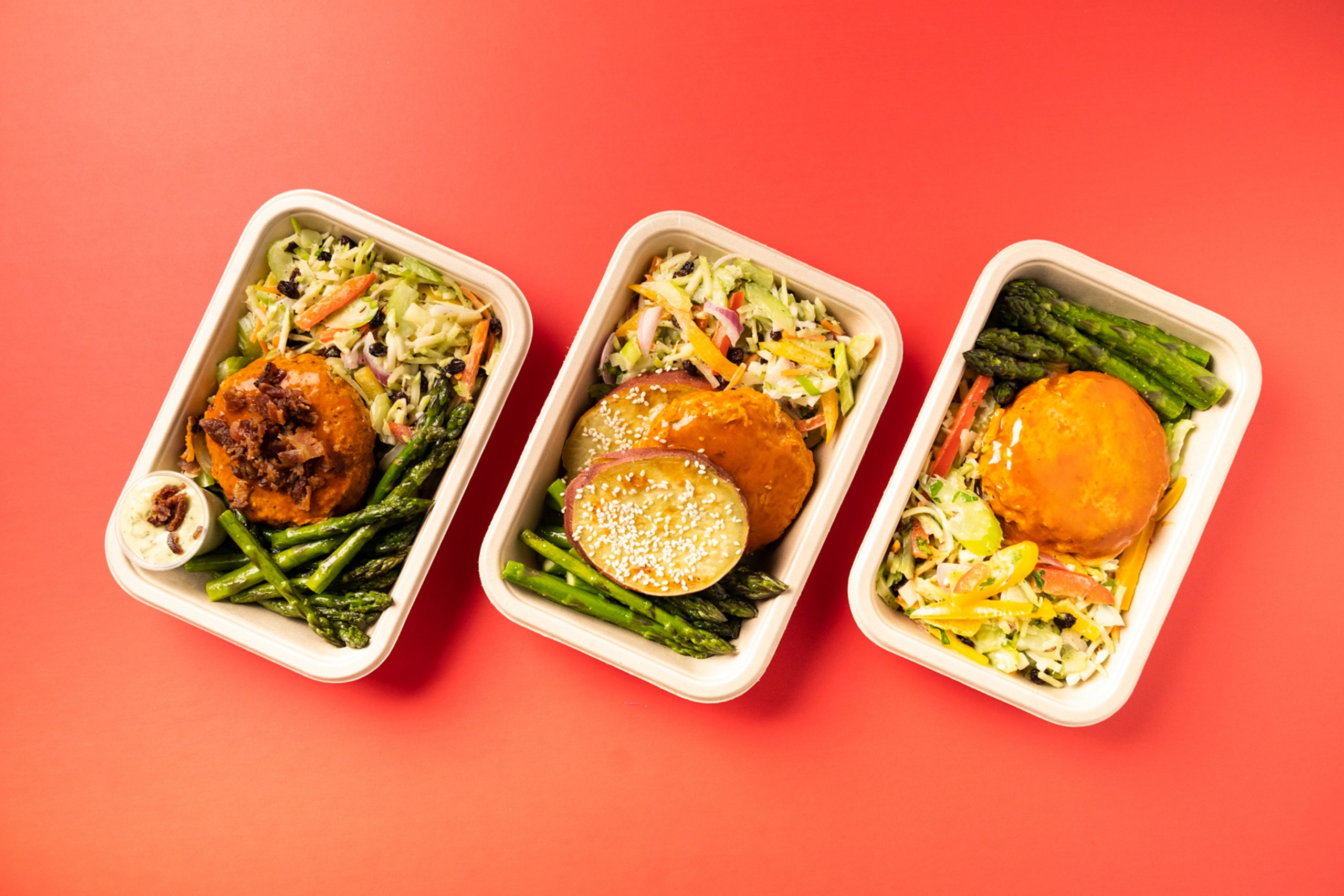
Tailoring Meals for Seniors: Navigating Dietary Needs and Medicare Options
Addressing the unique nutritional requirements of seniors can be complex. Many older adults face challenges in preparing meals due to mobility issues, health conditions, or limited access to transportation. Understanding how Medicare might assist with these needs is crucial.
1. Understanding Senior Dietary Needs
Senior dietary needs often differ significantly from those of younger adults. They may require fewer calories but increased intake of specific nutrients like calcium, vitamin D, and protein to maintain bone density and muscle mass. Chronic conditions such as diabetes, heart disease, and kidney problems may necessitate specialized diets, including low-sodium, low-sugar, or renal-friendly options. Meal delivery services can play a crucial role in providing balanced and appropriate meals that cater to these specific needs, ensuring seniors receive the nourishment they require to maintain their health and well-being.
2. Medicare and Meal Delivery Services
Traditional Medicare (Parts A and B) generally does not cover meal delivery services unless they are directly related to inpatient care or skilled nursing facility stays. However, Medicare Advantage (Part C) plans may offer meal delivery benefits as part of their supplemental offerings. These benefits are typically targeted toward individuals with chronic conditions or those recently discharged from a hospital stay, providing a limited number of meals to support their recovery and transition back home. Seniors should review their Medicare Advantage plan details to determine if meal delivery is included and what specific conditions apply.
3. Exploring Alternative Funding Options
Even if Medicare doesn't fully cover meal delivery, several alternative funding options can help seniors access these services. Medicaid, for those who qualify based on income and assets, may offer coverage for meal delivery through specific waiver programs. Additionally, local Area Agencies on Aging (AAA) and non-profit organizations often provide meal assistance programs, such as Meals on Wheels, which deliver nutritious meals to homebound seniors. Private insurance companies and charitable organizations may also offer grants or subsidies to help cover the cost of meal delivery for eligible individuals.
The Role of Technology in Enhancing Meal Customization and Delivery Efficiency
Technology is revolutionizing how we order and receive meals, offering unprecedented levels of customization and efficiency. From personalized menus to optimized delivery routes, tech innovations are reshaping the food industry.
1. AI-Powered Personalization
Artificial intelligence is enabling meal delivery services to offer highly personalized recommendations. AI algorithms analyze user data, including past orders, dietary restrictions, and preferences, to suggest meals that align with individual tastes and needs. This level of personalization enhances customer satisfaction and encourages repeat orders. For instance, some apps now use AI to filter menus based on allergies and suggest healthier alternatives, making meal selection easier and more tailored.
2. Real-Time Tracking and Optimization
Advanced tracking systems and route optimization algorithms are significantly improving delivery efficiency. Real-time GPS tracking allows customers to monitor their orders' progress, providing transparency and reducing anxiety about delivery times. Route optimization software analyzes traffic patterns, weather conditions, and driver availability to determine the most efficient delivery routes, minimizing delays and fuel consumption. This technology ensures faster and more reliable delivery services.
3. Drone Delivery and Automation
Emerging technologies like drone delivery and automated kitchen systems are poised to further transform the meal delivery landscape. Drone delivery offers the potential to bypass traffic congestion and reach remote locations more quickly. Automated kitchen systems, including robotic chefs and automated packaging lines, can increase production efficiency and reduce labor costs. While still in the early stages of development, these technologies hold promise for revolutionizing meal delivery in the future.
Exploring the Environmental Impact of Meal Delivery Services
Meal delivery services offer convenience, but it's crucial to examine their environmental footprint to promote sustainable practices. Let's delve into the key areas of impact.
1. Packaging Concerns
The extensive use of disposable packaging, particularly plastics, is a major environmental concern associated with meal delivery. Many containers are not easily recyclable or compostable, leading to accumulation in landfills and potential harm to ecosystems. Innovative solutions, such as reusable container programs and eco-friendly packaging materials, are needed to mitigate this problem. Consumers can also play a role by opting for services that prioritize sustainable packaging options.
2. Transportation and Carbon Footprint
The transportation aspect of meal delivery significantly contributes to carbon emissions. The reliance on cars, motorcycles, and other vehicles for delivery generates greenhouse gases, exacerbating climate change. Optimizing delivery routes, utilizing electric vehicles, and encouraging bicycle deliveries can help reduce the carbon footprint of these services. Consumers can also choose delivery services that offer carbon-neutral options or consolidate orders to minimize trips.
Q&A
Question 1: What are the primary factors driving the increasing popularity of meal delivery services in the US?
Answer: The rise of meal delivery services is fueled by a confluence of factors: unparalleled convenience eliminating grocery shopping, meal planning, and cooking; a focus on health and wellness with nutritious, balanced, and customizable meal options catering to various dietary needs; and the ability to personalize meal plans based on individual tastes and preferences.
Question 2: How do meal delivery services address the nutritional needs of health-conscious consumers?
Answer: Many services offer meals low in calories, fat, and sodium, while being high in protein, fiber, and essential nutrients. They often cater to specific dietary restrictions like vegan, vegetarian, gluten-free, or keto diets. Some even provide personalized nutrition advice and meal recommendations.
Question 3: What are the potential environmental concerns associated with meal delivery services, and how can these be mitigated?
Answer: Major concerns include packaging waste (primarily single-use plastics), transportation emissions from deliveries, and food waste. Mitigation strategies include using reusable containers, eco-friendly packaging, optimizing delivery routes, utilizing electric vehicles, and sourcing ingredients sustainably. Consumers can also choose services prioritizing sustainable practices.
Question 4: How does freezing affect the nutritional value of meals, and what techniques are used to optimize nutritional integrity in frozen meals?
Answer: Freezing slows down microbial growth and enzymatic reactions that degrade nutrients, helping preserve nutritional value. However, some loss can occur during blanching and thawing. To optimize integrity, companies use flash freezing, high-quality ingredients, balanced macronutrient and micronutrient formulations, and recommend proper thawing methods (refrigeration).
References: