
Mastering the Art of Electronics PCBs Assembly: From Process to Practice
In the intricate world of electronics, assembling printed circuit boards (PCBs) is an essential skill that bridges design and functionality. As the backbone of myriad devices, from consumer gadgets to industrial machinery, mastering the assembly process is crucial.
Decoding the PCB Assembly Ecosystem: A Comprehensive Overview
The world of PCB assembly is at the heart of technological advancements powering various industries. Understanding its intricate processes can shed light on how everyday electronics are manufactured.
1. The PCB Assembly Process
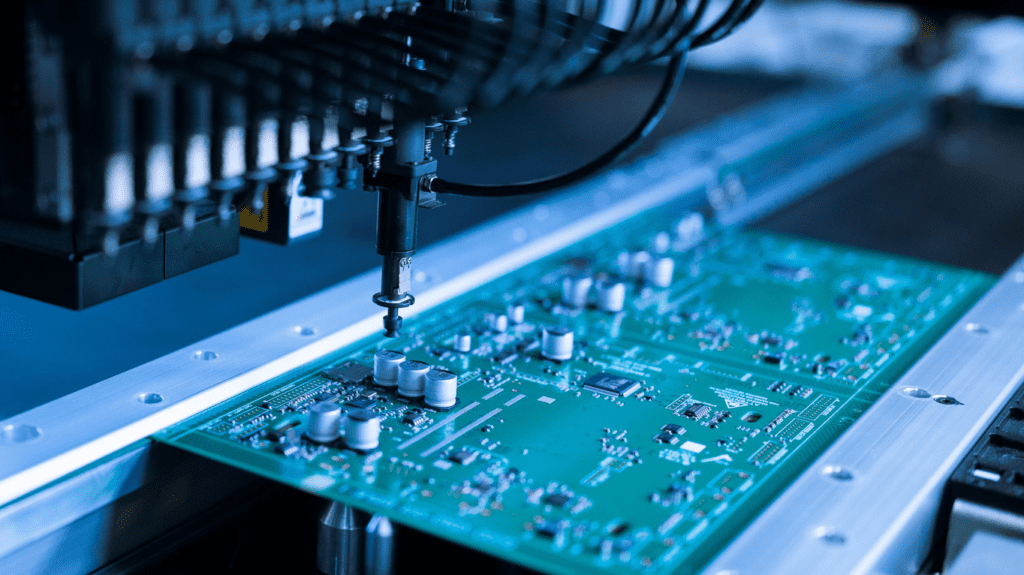
The assembly process of PCBs begins with solder paste screening and component placement. In this initial phase, precise application of solder paste and accurate positioning by high-speed machines are crucial. These steps ensure reliable joints and proper alignment, which is vital for complex boards that utilize microprocessors.
2. Mixed-Technology PCB Assembly
Mixed-technology assembly combines Surface Mount and Through-Hole technologies to accommodate complex board designs. The workflow involves stages like SMT placement, reflow, and thorough inspections. This hybrid approach ensures that both sides of a PCB are effectively utilized, enhancing quality and functionality.
3. Design and Manufacturing Innovations
Design innovations like HDI and flexible PCBs are shaping the future of PCB assembly. Additive manufacturing techniques are becoming more prominent, offering efficient ways to produce complex designs. Emphasizing quality assurance and design-for-manufacturing leads to fewer errors and improved production outcomes.
From Solder Paste to Final Product: Navigating the PCB Assembly Process
The journey of transforming a simple board into a complex electronic device involves meticulous processes. Let's explore the key stages of PCB assembly and the innovations shaping its future.
1. Solder Paste Application and Precision
In the initial stages of PCB assembly, applying solder paste with precision is crucial. A stencil printer is used to apply the paste, ensuring accuracy in the deposition, which is vital for forming reliable solder joints. This step sets the stage for effective component placement by high-speed machines. Proper solder paste application ensures components are perfectly aligned, especially in dense and complex boards.
2. Component Placement and Mixed Technologies
Mixed-technology PCB assembly combines Surface Mount Technology (SMT) and Through-Hole Technology (THT). This entails multiple stages: SMT placement, reflow soldering, and automated inspections. Each stage contributes to the production of high-quality, double-sided boards. The combination of SMT and THT allows greater flexibility and customizability in PCB assembly, catering to a wide range of electronic requirements.
3. The Role of Design and Layout
The design phase plays a pivotal role in the assembly process. Proper layout design optimizes component placement and manufacturing ease. Iterative adjustments ensure that the assembly lines run smoothly, minimizing errors and maximizing performance. This interconnectedness highlights the importance of collaboration between design and assembly teams to deliver functional and reliable electronic products.
Techniques and Technologies: Unraveling Modern PCB Assembly Methods
Printed Circuit Board (PCB) assembly is a cornerstone of modern electronics. This intricate process combines various technologies to create reliable, high-performance electronic circuits. Let's explore the details and advancements in PCB assembly that drive innovation in the field.
1. Precision in Solder Paste Application and Component Placement
In the PCB assembly process, precision starts with solder paste application. Techniques like solder paste screening are crucial as they ensure accurate deposition, vital for forming robust solder joints and aligning components accurately. Once the paste is applied, components are placed using high-speed pick-and-place machines. The combination of these methods plays a critical role in achieving flawless assembly in complex microprocessors and densely patterned boards.
2. The Mixed-Technology PCB Assembly Approach
PCB assembly often employs a combination of Surface Mount Technology (SMT) and Through-Hole Technology (THT). This mixed-technology method enhances robustness and reliability of the assembly. The process involves solder paste printing, SMT placement and reflow, THT insertion, and a final rigorous inspection and testing phase. Such a workflow ensures the seamless integration of components on both sides of a PCB, crucial for high-quality electronic assemblies.
3. Exploration of Assembly Techniques and Their Applications
Diverse PCB assembly techniques, including SMT, THT, and Ball Grid Array (BGA) assembly, serve different applications and needs. Each offers distinct advantages in performance, reliability, and cost. For instance, SMT is known for automation and efficiency, whereas BGA provides superior connectivity in high-density applications. Understanding these options helps in selecting the most suitable method for specific project requirements, optimizing overall assembly processes.
The Role of Design in Effective PCB Assembly Outcomes
In the world of electronics, the design phase is critical to successful PCB assembly. A well-thought-out design can significantly enhance the performance, reliability, and cost-effectiveness of the final product.
1. Impact of Design on PCB Assembly
Design sets the foundation for manufacturing, impacting every stage from component placement to soldering. A precise layout not only ensures optimal electrical performance but also influences the ease of assembly. For instance, good component positioning and routing can minimize errors and defects during assembly, reducing the need for costly reworks. Therefore, investing time in a detailed design process pays dividends downstream.
2. Assembly Techniques and Design Considerations
Different assembly methods such as Surface Mount Technology (SMT) and Through-Hole Technology (THT) require specific design considerations. SMT, known for its compactness, encourages designs with smaller components and tighter placements, while THT may necessitate designs that accommodate mechanical stability. Understanding these nuances helps in selecting the right design approach to match the desired assembly technique, thereby optimizing both performance and cost.
3. Technological Advancements in PCB Design and Assembly
Technological innovations, including automation and AI-driven inspection, are shaping the PCB assembly landscape. These advancements necessitate designs that are compatible with automated workflows to ensure efficiency and quality. Embedded component technology, though challenging, emphasizes the need for forward-thinking designs that can harness these innovations for improved long-term benefits. As these technologies evolve, the role of design as a strategic tool in PCB assembly continues to grow.
4. Cost Efficiency Through Design
The correlation between design and assembly costs is undeniable. Strategic design choices can significantly influence manufacturing expenses. By considering factors such as component selection, board layout, and manufacturability during the design phase, companies can achieve substantial cost savings. Furthermore, designs that facilitate straightforward assembly reduce labor costs and minimize production time, enhancing overall profitability.
5. Future Trends in PCB Design and Assembly
As the industry moves forward, the integration of AI and machine learning in design tools promises new efficiencies and capabilities. Designers will increasingly rely on these tools to simulate and optimize designs, predicting potential assembly challenges before they arise. This proactive approach not only boosts quality and reliability but also positions companies to better navigate the evolving demands of the PCB assembly industry.
Behind the Scenes at a PCB Assembly Plant: An Insider's Perspective
Exploring the intricate world of PCB assembly reveals the backbone of electronic innovation. Dive into the processes and trends shaping this vital industry.
1. Precision in Process
PCB assembly begins with precision at its core. Key stages like solder paste screening use meticulously crafted stencils. These enable exact solder paste application, ensuring secure connections. Robotic placement enhances this accuracy, critically aligning components, especially in dense and complex boards, where high-speed machines excel. Such precision is vital for integrating advanced microprocessors, demonstrating the importance of automation and technology in maintaining consistency and quality.
2. Mixed Technology Approach
The mix of Surface Mount Technology (SMT) and Through-Hole Technology (THT) showcases the advanced methodologies in modern PCB assembly. This hybrid approach handles versatile assembly challenges. Solder paste printing and SMT placement are followed by reflow soldering, which binds components securely. Automated inspections ensure reliability before double-sided assembly and THT insertion occur. The process concludes with thorough cleaning and testing, confirming the assembly meets stringent quality standards.
3. The Role of Design
Design plays an integral part in the PCB assembly process. Proper component placement and routing during the design phase are crucial for manufacturability. Adjustments in layout design enhance circuit performance, directly influencing assembly efficiency. This emphasizes the interconnectedness of design and assembly stages, where a well-planned layout simplifies processes like soldering and inspection. The synergy between design and assembly paves the way for seamless production.
Q&A
Question 1: What are the initial steps in the PCB assembly process, and why are they critical?
Answer: The initial steps in the PCB assembly process are solder paste application and component placement. These steps are critical because precise application of solder paste and accurate alignment of components ensure the formation of reliable solder joints, especially in densely packed and complex boards. This precision is essential for the functionality and reliability of the final electronic product.
Question 2: How does mixed-technology PCB assembly enhance the manufacturing process?
Answer: Mixed-technology PCB assembly combines Surface Mount Technology (SMT) and Through-Hole Technology (THT), enhancing the manufacturing process by allowing greater flexibility and customizability. This approach utilizes both sides of a PCB efficiently, improving the robustness and reliability of the assembly and catering to various electronic requirements.
Question 3: Why is design-for-manufacturing important in PCB assembly, and how does it impact production?
Answer: Design-for-manufacturing is crucial as it minimizes production errors and optimizes efficiency, ensuring high-quality end products. By incorporating detailed design processes and strategic layout planning, companies can reduce costs related to reworks and flawed assemblies, leading to more reliable and cost-effective manufacturing outcomes.
Question 4: What advancements are shaping the future of PCB assembly, and what benefits do they bring?
Answer: Advancements such as 3D printing, laser direct structuring, and AI-driven inspections are shaping the future of PCB assembly. These technologies enhance design possibilities, optimize manufacturing processes, reduce defects, and lower production costs, ultimately improving the quality and functionality of modern electronic devices.
References:
- https://www.allpcb.com/allelectrohub/electronics-pcb-machine-assembly
- https://www.nextpcb.com/blog/guide-to-mixed-technology-pcb-assembly
- https://www.lstpcb.com/news/19-steps-of-pcb-manufacturing/
- https://www.elepcb.com/pcb-layout-design-process-and-guidelines/
- https://novaenginc.com/types-of-pcb-assembly-processes/