
Powering Small Businesses: The Essential Guide to IT Hardware
The right IT infrastructure is the backbone of a successful small business. This guide explores key considerations for selecting and managing IT hardware to help small businesses navigate complex technology challenges and build a robust and scalable system to meet their unique needs and vision.
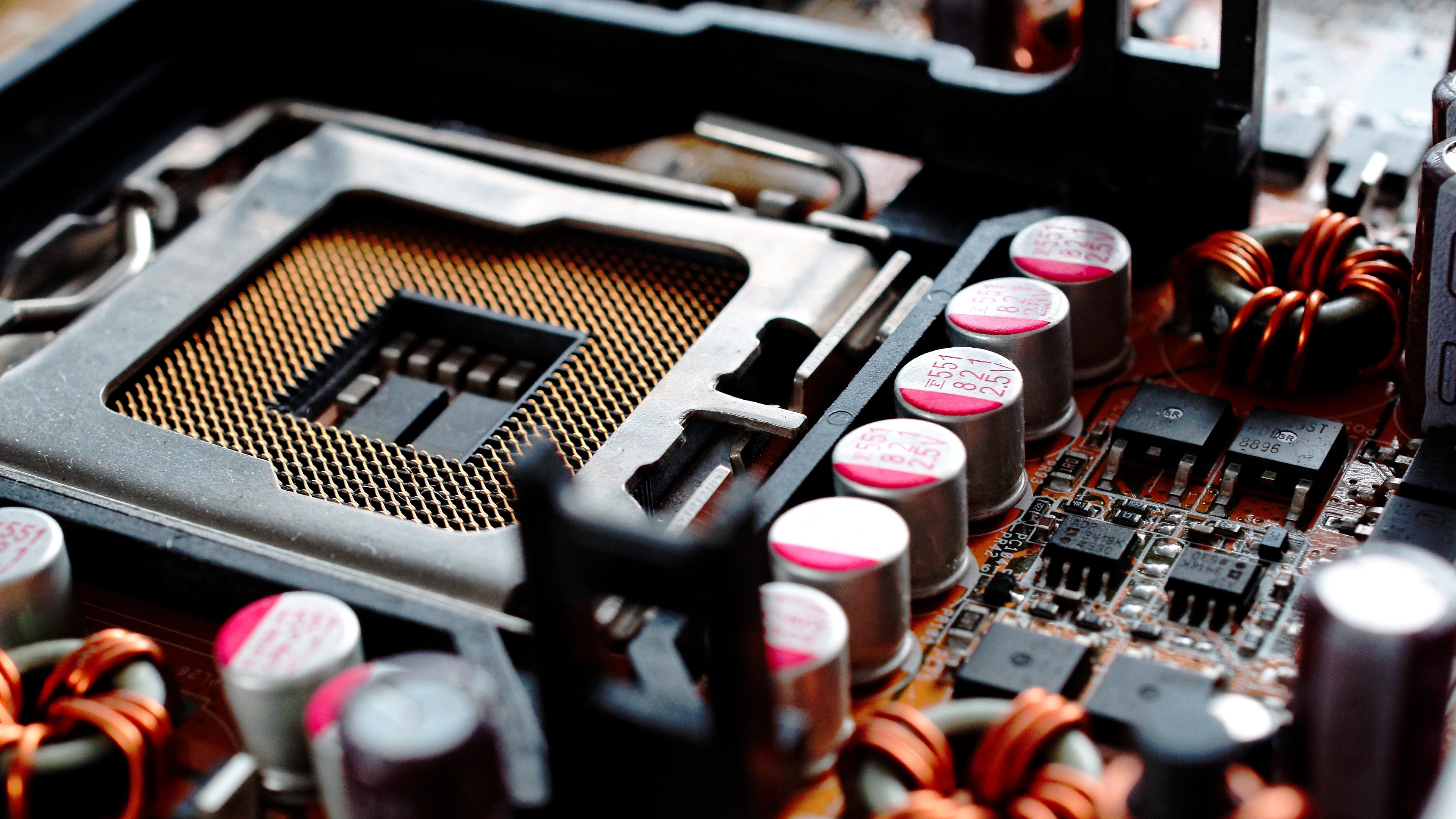
Understanding the Basics: Essential IT Hardware for Small Businesses
Small businesses often face unique IT challenges. Selecting the right hardware is crucial for efficiency, security, and growth. This section outlines fundamental IT hardware components necessary for a small business to thrive in today's digital landscape.
1. Computers and Laptops
The backbone of any small business is its computing power. Desktop computers offer a cost-effective solution for stationary tasks, while laptops provide portability and flexibility. Choosing the right device depends on the specific needs of each employee. Consider processing power, RAM, and storage capacity based on the intended use, such as graphic design, data analysis, or general office tasks. A mix of both desktops and laptops can cater to diverse work styles within the company.
2. Networking Equipment
A reliable network is essential for seamless communication and data sharing. This includes a router to connect to the internet, switches to manage network traffic within the office, and cables to connect devices. Wireless access points (WAPs) are also important for providing Wi-Fi connectivity for employees and guests. Security considerations, such as firewalls, should be integrated into the network infrastructure to protect against cyber threats. Regular maintenance and updates of networking equipment are crucial for optimal performance and security.
3. Data Storage Solutions
Small businesses generate a significant amount of data, making reliable storage solutions paramount. Network-attached storage (NAS) devices offer centralized storage accessible to multiple users. Cloud storage provides scalability and accessibility from anywhere with an internet connection. External hard drives serve as a backup solution for critical data. Implementing a robust data storage strategy, including regular backups, is vital for business continuity and disaster recovery. The choice depends on factors like budget, storage capacity needs, and accessibility requirements.
4. Printers and Scanners
Despite the increasing digitalization of business processes, printers and scanners remain essential tools for many small businesses. Multifunction printers (MFPs) combine printing, scanning, copying, and faxing into a single device, saving space and money. Scanners are used to digitize documents for archiving or sharing. Consider factors like print speed, print quality, and paper handling capacity when selecting printers and scanners. Energy-efficient models can also help reduce operating costs.
Optimizing Performance: How to Select the Right Hardware Solutions
Selecting the right IT hardware is crucial for small companies aiming to maximize efficiency and minimize downtime. The correct choices can significantly impact productivity, security, and overall business growth.
1. Assessing Your Business Needs
Begin by thoroughly evaluating your company's current and future hardware requirements. Consider factors such as the number of employees, the types of applications used, data storage needs, and remote work capabilities. Understanding these needs will guide your hardware selection process, ensuring you invest in equipment that aligns with your specific operational demands. This assessment prevents overspending on unnecessary features or underspending on inadequate solutions.
2. Choosing the Right Devices
Select devices that match your business needs and budget. Laptops are ideal for mobile employees, while desktops offer more power for intensive tasks. Consider all-in-one computers for space-saving solutions. According to a 2024 survey by TechRadar Pro, businesses are increasingly opting for laptops due to their portability and improved performance. Also, evaluate the specifications like processor speed, RAM, and storage capacity to ensure smooth operation of your business applications.
3. Network Infrastructure Considerations
A robust network infrastructure is essential for seamless communication and data transfer. Choose a router that supports the number of devices connected to your network and offers sufficient bandwidth. Consider implementing a network-attached storage (NAS) device for centralized data storage and backup. Ensure your network is secure by implementing firewalls and regularly updating firmware. A well-designed network minimizes bottlenecks and maximizes productivity.
Security Matters: Protecting Your Business with Robust IT Infrastructure
In today's digital landscape, security is paramount. A robust IT infrastructure is no longer a luxury, but a necessity for small companies seeking to protect their valuable data and maintain business continuity.
| Security Area | Solution Example | Benefit |
|---|---|---|
| Endpoint Protection | Managed Antivirus/Anti-malware Software | Prevents malware infections, protects sensitive data on employee devices |
| Network Security | Firewall, Intrusion Detection/Prevention System (IDS/IPS) | Monitors network traffic, blocks unauthorized access, prevents cyberattacks |
| Data Backup & Recovery | Cloud-based Backup Solutions, Disaster Recovery Plan | Ensures business continuity in case of data loss, minimizes downtime |
| Security Awareness Training | Regular Training Programs for Employees | Reduces the risk of human error, improves overall security posture |
Date Source:Cybersecurity Ventures, Statista, IBM, KnowBe4,2024-2025
1. Endpoint Security: The First Line of Defense
Endpoint security focuses on protecting individual devices like laptops and smartphones. Managed antivirus software is a critical component, scanning for and removing malware threats. Many solutions also offer features like web filtering and application control, further reducing the attack surface. For small businesses, a centrally managed solution is ideal, allowing IT staff to monitor and update security settings across all devices efficiently. This proactive approach minimizes the risk of data breaches and keeps your business running smoothly.
2. Network Security: Guarding Your Digital Perimeter
Network security acts as a gatekeeper, controlling access to your company's network. Firewalls are essential, acting as a barrier between your internal network and the outside world. Intrusion detection and prevention systems (IDS/IPS) monitor network traffic for suspicious activity, alerting IT staff to potential threats. Implementing strong Wi-Fi security protocols, such as WPA3, is also crucial, especially if you have guests or employees using personal devices on your network.
3. Data Backup and Recovery: Preparing for the Inevitable
Data loss can be devastating for any business. A robust data backup and recovery plan is essential for ensuring business continuity. Cloud-based backup solutions provide an offsite copy of your data, protecting it from physical disasters like fire or theft. A well-defined disaster recovery plan outlines the steps to take in the event of a data loss incident, minimizing downtime and ensuring a quick recovery. Regularly testing your backup and recovery procedures is vital to ensure they work effectively when needed.
Cost-Effective Strategies: Balancing Quality and Budget in IT Investments
Small companies often face the challenge of acquiring robust IT hardware solutions within limited budgets. Smart strategies are crucial to maximize value without compromising performance and reliability.
1. Prioritizing Essential Needs
Before investing in any IT hardware, small businesses should conduct a thorough assessment of their core operational needs. Identify the hardware that directly impacts productivity and customer service. For example, a graphic design firm might prioritize high-performance workstations, while a retail store might focus on reliable point-of-sale systems and inventory management tools. Focusing on essential needs prevents overspending on unnecessary equipment.
2. Considering Refurbished or Open-Box Options
Refurbished or open-box hardware can offer significant cost savings compared to brand-new equipment. These options often come with warranties and have been thoroughly tested to ensure functionality. Purchasing from reputable vendors who specialize in refurbished equipment provides added assurance and mitigates the risk of acquiring faulty hardware. This approach allows small businesses to access higher-end equipment that might otherwise be out of budget.
3. Leveraging Cloud-Based Solutions
Cloud-based solutions can reduce the need for expensive on-premises hardware. Instead of investing in servers and storage devices, small businesses can leverage cloud services for data storage, application hosting, and backup. This approach not only reduces upfront hardware costs but also lowers ongoing maintenance and energy expenses. Cloud solutions also offer scalability, allowing businesses to adjust their resources as their needs evolve.
Q&A
Question 1: What are the essential IT hardware components for a small business, and why are they crucial?
Answer: Essential IT hardware for small businesses includes computers/laptops (providing computing power for various tasks), networking equipment (enabling communication and data sharing, including routers, switches, WAPs, and firewalls for security), data storage solutions (like NAS devices, cloud storage, and external hard drives for data backup and accessibility), and printers/scanners (for document handling). These are crucial for efficiency, security, growth, and overall business operations in today's digital landscape.
Question 2: How should a small business approach selecting the right IT hardware to optimize performance and minimize downtime?
Answer: Start by assessing current and future needs (number of employees, applications used, data storage, remote work). Then, choose devices matching those needs and budget (laptops for mobility, desktops for power, all-in-ones for space saving). Prioritize a robust network infrastructure with sufficient bandwidth and security measures (firewalls, NAS). Finally, invest in scalable and future-proof solutions, considering cloud-based options for long-term cost savings and adaptability.
Question 3: What are the key areas of IT security for small businesses, and what solutions can address them?
Answer: Key security areas include endpoint protection (using managed antivirus software), network security (firewalls and IDS/IPS systems), data backup and recovery (cloud-based solutions and disaster recovery plans), and security awareness training for employees. These solutions protect against malware, unauthorized access, data loss, and human error, ensuring business continuity. Regular updates and maintenance are vital.