
Revolutionizing Diabetes Care: The Future of Glucose Monitoring
Continuous advancements in glucose monitoring systems are at the forefront of this revolution, offering painless and convenient options for tracking blood sugar levels. These improvements not only enhance accuracy and provide real-time data but also facilitate proactive management, potentially minimizing the risk of complications and improving overall quality of life for those living with diabetes.
Understanding the Basics: How Glucose Monitoring Works
Glucose monitoring is a cornerstone of diabetes management, providing individuals with essential information about their blood sugar levels. This allows for informed decisions regarding diet, exercise, and medication.
1. What is Blood Glucose?
Blood glucose, also known as blood sugar, is the main sugar found in your blood. It comes from the food you eat and is your body's primary source of energy. The body carefully regulates blood glucose levels, but in individuals with diabetes, this regulation is impaired. Monitoring helps them understand how different factors impact their glucose levels.
2. Methods of Glucose Monitoring
The most common method is using a blood glucose meter. This involves pricking your finger with a lancet to obtain a small blood sample, which is then applied to a test strip inserted into the meter. Continuous Glucose Monitors (CGMs) are also available. These devices use a small sensor inserted under the skin to continuously track glucose levels throughout the day and night.
3. Why is Monitoring Important?
Regular glucose monitoring helps individuals with diabetes manage their condition effectively. By tracking blood sugar levels, they can identify patterns, understand the impact of food and activity, and adjust their treatment plan accordingly. This can help prevent both hyperglycemia (high blood sugar) and hypoglycemia (low blood sugar), reducing the risk of long-term complications.
From Painful Pricks to Painless Systems: Innovations in Glucose Monitoring
The evolution of glucose monitoring has dramatically improved the lives of individuals managing diabetes, moving from invasive methods to more convenient and less painful technologies. These advancements enhance accuracy, accessibility, and overall quality of life.
1. The Rise of Continuous Glucose Monitoring (CGM)
Continuous Glucose Monitoring (CGM) systems have revolutionized diabetes management. Unlike traditional finger-prick methods that provide a snapshot of glucose levels, CGMs track glucose continuously throughout the day and night. A small sensor inserted under the skin measures glucose levels in interstitial fluid, transmitting data wirelessly to a receiver or smartphone. This real-time data allows users to see trends and patterns, enabling proactive adjustments to diet, exercise, and medication. Modern CGMs also feature alarms that alert users to high or low glucose levels, providing an added layer of safety and control.
2. Flash Glucose Monitoring: A Step Further
Flash Glucose Monitoring (FGM) systems, like the FreeStyle Libre, offer another advancement in glucose monitoring. Similar to CGMs, they use a sensor placed on the skin to measure glucose levels. However, instead of continuously transmitting data, users "flash" or scan the sensor with a reader to get a current glucose reading. This on-demand approach provides flexibility and eliminates the need for routine finger pricks. FGM systems store glucose data, allowing users to track trends and patterns over time, aiding in better diabetes management.
3. Smart Insulin Pens and Integrated Systems
The integration of smart insulin pens with glucose monitoring systems represents a significant step towards personalized diabetes care. Smart pens automatically record insulin doses and injection times, providing valuable data for analysis. When combined with CGM data, these systems can offer tailored insulin recommendations based on individual glucose patterns and insulin usage. This integration helps to optimize insulin delivery, improve glucose control, and reduce the risk of hypoglycemia or hyperglycemia. Companies are actively developing closed-loop systems, also known as artificial pancreases, that automate insulin delivery based on real-time glucose data.
Continuous Glucose Monitoring: A Game Changer for Type 2 Diabetes
1. Understanding Continuous Glucose Monitoring
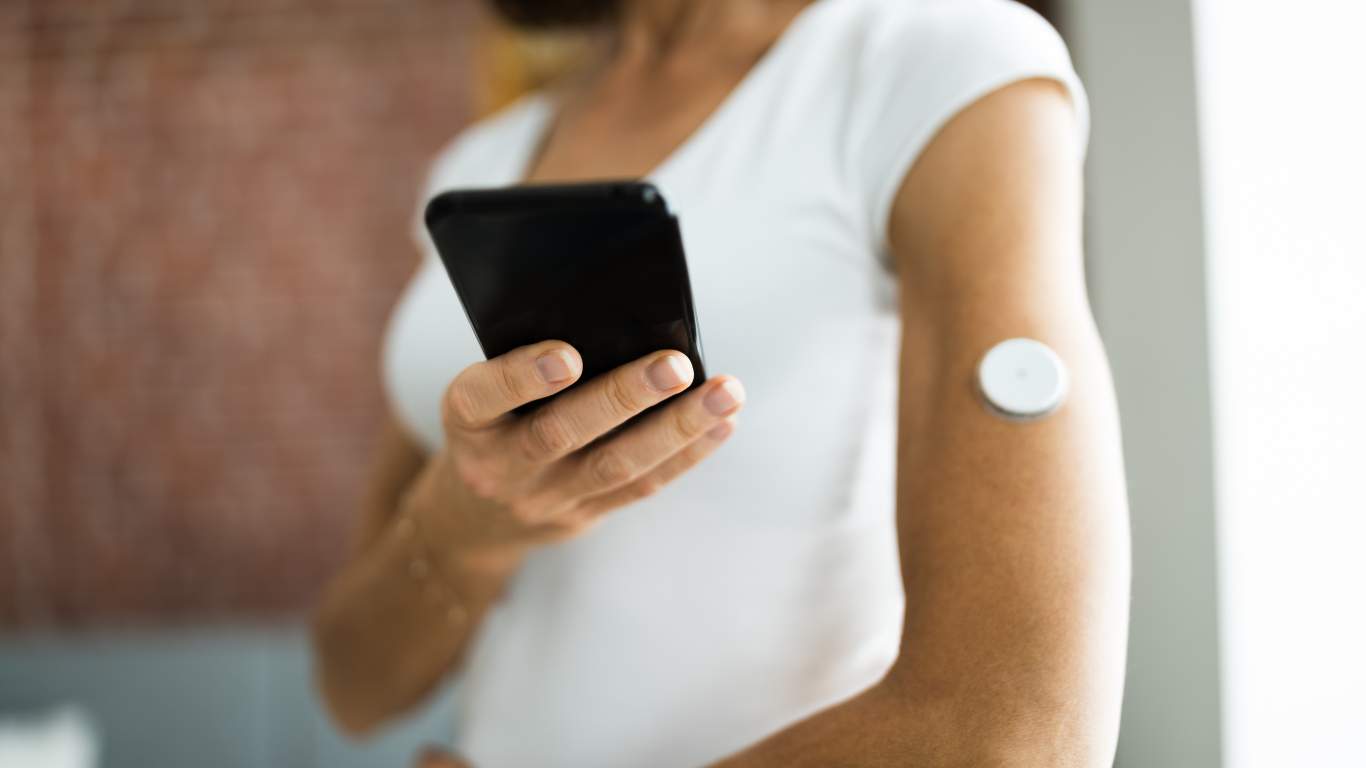
CGM devices consist of a small sensor inserted under the skin, typically on the abdomen or arm, that measures glucose levels in interstitial fluid. These readings are then transmitted wirelessly to a receiver or smartphone app, providing users with a continuous stream of glucose data. This data includes not only the current glucose level but also trends, indicating whether glucose is rising, falling, or stable. This allows for proactive management of blood sugar.
2. Benefits of CGM for Type 2 Diabetes Management
CGM offers several key benefits. First, it eliminates the need for frequent finger pricks. Second, it provides a more complete picture of glucose patterns, revealing fluctuations that may be missed with traditional testing. Third, it empowers individuals to make informed decisions about their lifestyle and medication adjustments, leading to better glycemic control and reduced risk of complications associated with type 2 diabetes, such as nerve damage and kidney disease.
3. Integrating CGM into Daily Life
Successfully integrating CGM into daily life involves education and support. Healthcare professionals play a crucial role in training individuals on how to interpret CGM data, troubleshoot any issues, and adjust their treatment plans accordingly. Many CGM systems also offer features such as customizable alerts for high and low glucose levels, which can help individuals take timely action to prevent dangerous fluctuations.
4. The Future of CGM Technology
The future of CGM technology is promising, with ongoing research focused on developing even more accurate, convenient, and user-friendly devices. Advancements include fully implantable sensors, non-invasive monitoring methods, and integration with insulin pumps for automated insulin delivery, also known as artificial pancreas systems. These innovations hold the potential to further revolutionize diabetes management and improve the quality of life for individuals with type 2 diabetes.
The Role of Technology in Personalized Diabetes Management
Technology plays a pivotal role in revolutionizing diabetes management, offering tools for personalized care and improved patient outcomes. From continuous glucose monitors to sophisticated data analysis, technology empowers individuals to take control of their health.
| Technology | Functionality | Benefits |
|---|---|---|
| Continuous Glucose Monitors (CGMs) | Tracks glucose levels in real-time using a sensor inserted under the skin. | Provides continuous glucose readings, alerts for highs and lows, trend data for informed decision-making, reduces the need for frequent fingersticks. |
| Insulin Pumps | Delivers precise doses of insulin throughout the day. | Mimics the body's natural insulin release, improves glucose control, allows for flexible meal timing, reduces the risk of hypoglycemia. |
| Mobile Apps | Tracks food intake, physical activity, and medication adherence. | Provides personalized insights, facilitates communication with healthcare providers, supports behavior change, improves self-management skills. |
| Telehealth | Remote consultations and monitoring. | Increases access to care, reduces travel time and costs, allows for timely interventions, improves patient engagement. |
1. Continuous Glucose Monitoring (CGM) Systems
CGMs have transformed glucose monitoring by providing real-time glucose readings throughout the day and night. These devices use a small sensor inserted under the skin to measure glucose levels in interstitial fluid. CGMs can alert users to high or low glucose levels, allowing for timely interventions. The data collected by CGMs can be used to identify patterns and trends, enabling individuals to make informed decisions about their diet, exercise, and medication. This continuous stream of data empowers patients and healthcare providers to fine-tune treatment plans for optimal glucose control.
2. Insulin Pumps and Automated Insulin Delivery
Insulin pumps deliver precise doses of insulin throughout the day, mimicking the body's natural insulin release. These devices can be programmed to deliver basal insulin, a steady stream of insulin that keeps glucose levels stable between meals, and bolus insulin, which is given to cover meals or correct high glucose levels. Advanced insulin pumps are now integrated with CGMs to create automated insulin delivery (AID) systems, also known as artificial pancreas systems. AID systems automatically adjust insulin delivery based on CGM readings, further improving glucose control and reducing the burden of diabetes management.
3. Mobile Health Applications for Diabetes Management
Mobile health applications (apps) have become increasingly popular tools for diabetes management. These apps can track food intake, physical activity, medication adherence, and glucose levels. Many apps also offer features such as personalized feedback, educational resources, and communication with healthcare providers. By providing a convenient and accessible platform for self-management, mobile health apps can empower individuals to take control of their diabetes and improve their overall health outcomes. Some apps even integrate with CGMs and insulin pumps, providing a comprehensive view of diabetes data in one place.
Challenges and Solutions in Modern Glucose Monitoring Systems
Modern glucose monitoring systems face hurdles in accuracy, convenience, and data integration, but innovative solutions are constantly emerging to improve patient outcomes and quality of life.
1. Accuracy and Reliability Concerns
One of the primary challenges is ensuring the accuracy and reliability of glucose readings. Factors like sensor placement, individual physiological differences, and environmental conditions can affect the precision of continuous glucose monitors (CGMs) and traditional blood glucose meters (BGMs). Solutions involve advanced sensor technology, improved algorithms for data interpretation, and user education on proper device usage. Research is also focusing on minimizing interference from substances like acetaminophen that can skew results.
2. User Experience and Convenience
Many individuals find traditional glucose monitoring methods inconvenient and painful, leading to poor adherence. Solutions are focused on developing less invasive or non-invasive technologies. This includes exploring options such as microneedle patches, wearable sensors that analyze interstitial fluid, and even non-invasive methods using light or sound waves. Improved user interfaces, smaller device sizes, and longer sensor lifespans also contribute to a better user experience.
3. Data Integration and Management
The sheer volume of data generated by modern glucose monitoring systems can be overwhelming. Integrating this data with electronic health records (EHRs) and providing actionable insights for both patients and healthcare providers is crucial. Solutions involve developing secure and interoperable data platforms, utilizing cloud-based storage, and implementing artificial intelligence (AI) algorithms to identify patterns and predict glucose trends. This allows for personalized treatment plans and timely interventions.
4. Cost and Accessibility
The cost of CGMs and other advanced glucose monitoring technologies can be a significant barrier to access, particularly for individuals with limited resources or inadequate insurance coverage. Solutions involve advocating for policies that promote affordability and accessibility, developing more cost-effective devices, and exploring alternative funding models. Telehealth and remote monitoring programs can also help to reduce healthcare costs and improve access to care in underserved areas.
Q&A
Question 1: What are the primary methods of glucose monitoring, and how do they differ?
Answer: The two main methods are blood glucose meters and Continuous Glucose Monitors (CGMs). Blood glucose meters require a finger-prick blood sample for a single glucose reading. CGMs use a sensor inserted under the skin to continuously track glucose levels throughout the day and night, providing real-time data and trends. Flash Glucose Monitoring (FGM) offers an alternative, requiring a scan of the sensor for an on-demand reading.
Question 2: What are the key benefits of Continuous Glucose Monitoring (CGM) for individuals with diabetes, particularly type 2 diabetes?
Answer: CGMs eliminate frequent finger pricks, provide a more complete picture of glucose patterns (revealing fluctuations missed by traditional testing), and empower informed decisions about lifestyle and medication. Studies show significant improvements in HbA1c reduction, time in range, and reduced hypoglycemic events compared to non-CGM users. This leads to better glycemic control and reduced risks of long-term complications.
Question 3: How do smart insulin pens and integrated systems enhance diabetes management?
Answer: Smart insulin pens automatically record insulin doses and times, providing valuable data. When combined with CGM data, these systems offer tailored insulin recommendations based on individual glucose patterns and insulin usage. This integration optimizes insulin delivery, improves glucose control, and reduces the risk of hypoglycemia or hyperglycemia. The development of closed-loop systems (artificial pancreases) further automates this process.
References:
- https://www.tenovi.com/remote-patient-monitoring-diabetes/
- https://ihealthlabs.com/products/ihealth-gluco-wireless-smart-glucose-monitor
- https://www.dexcom.com/en-us/all-access/dexcom-cgm-explained/dexcom-g7-vs-freestyle-libre-3-and-libre-3-plus-choosing-the-right-cgm
- https://www.accessdata.fda.gov/scripts/cdrh/cfdocs/cfpcd/classification.cfm?id=716
- https://www.healthline.com/health/diabetes/when-you-cant-afford-a-cgm