
Revolutionizing Diabetes Care: The Power of Continuous Glucose Monitoring
Continuous glucose monitoring (CGM) transforms diabetes management by offering real-time glucose data. It helps individuals make informed decisions on diet, activity, and medication, improving glycemic control. CGM enhances patient-provider collaboration, enabling personalized treatments. This integration of CGM with other technologies supports proactive interventions to minimize diabetes impact.
Understanding Continuous Glucose Monitoring: A Technological Breakthrough in Diabetes Care
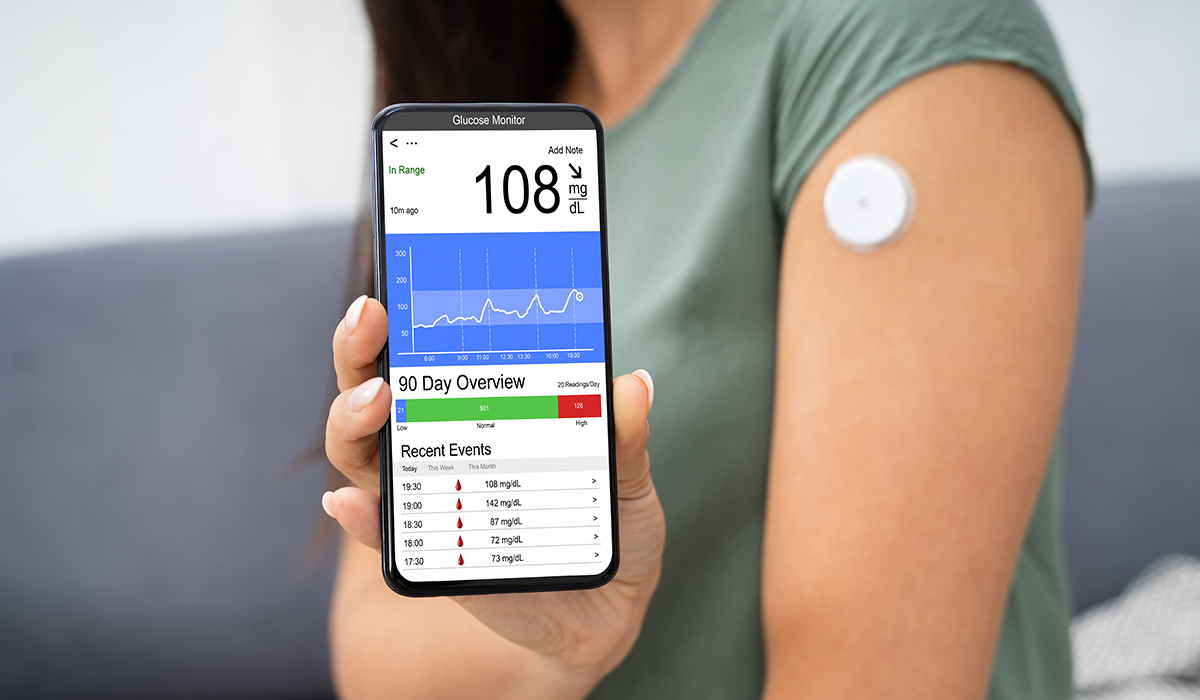
Continuous Glucose Monitoring (CGM) systems represent a significant advancement in diabetes management, offering real-time glucose readings and trends. These devices empower individuals with diabetes to make informed decisions about their diet, exercise, and medication, ultimately leading to better glycemic control and improved quality of life.
1. How CGM Works
CGM devices consist of a small sensor inserted under the skin, typically on the abdomen or arm. This sensor measures glucose levels in the interstitial fluid, which surrounds the cells. The sensor transmits data wirelessly to a receiver or smartphone app, displaying glucose readings every few minutes. This continuous stream of data provides a comprehensive picture of glucose fluctuations throughout the day and night.
2. Benefits of CGM over Traditional Blood Glucose Monitoring
Unlike traditional blood glucose meters (BGM), which require finger pricks for each reading, CGM systems offer continuous monitoring without the need for frequent fingersticks. This provides a more complete understanding of glucose patterns, including highs and lows that might be missed with intermittent BGM testing. CGM also alerts users to potential hyperglycemic (high glucose) or hypoglycemic (low glucose) events, allowing them to take proactive steps to prevent complications.
3. Types of CGM Systems
There are two main types of CGM systems: real-time CGM (rt-CGM) and intermittently scanned CGM (isCGM), also known as flash glucose monitoring. Rt-CGM systems automatically transmit glucose data to a receiver or smartphone app, while isCGM systems require the user to scan the sensor with a reader to obtain glucose readings. Both types of CGM systems offer valuable insights into glucose trends and can be used to improve diabetes management.
4. Integration with Insulin Pumps
Many CGM systems can be integrated with insulin pumps to create a closed-loop system, also known as an artificial pancreas. In these systems, the CGM communicates glucose data to the insulin pump, which automatically adjusts insulin delivery based on glucose levels. This automated insulin delivery helps to maintain stable glucose levels and reduce the burden of manual insulin adjustments.
Data Management in Glucose Monitoring: Transforming Patient Insights into Actionable Outcomes
Effective data management is crucial for glucose monitoring programs, turning raw patient data into practical insights that improve health outcomes and personalize treatment plans.
1. Data Collection and Integration
Glucose monitoring programs rely on consistent and accurate data collection. This involves integrating data from various sources, including continuous glucose monitors (CGMs), blood glucose meters (BGMs), and patient-reported information like diet and exercise. Standardized data formats and secure data transfer protocols are essential to ensure data integrity and interoperability between devices and platforms. This comprehensive approach creates a holistic view of the patient's glucose patterns.
2. Data Analysis and Interpretation
Advanced analytics are applied to the collected data to identify trends, patterns, and potential risks. This includes analyzing glucose variability, time-in-range (TIR), and identifying hyperglycemic or hypoglycemic events. Machine learning algorithms can predict future glucose levels and alert patients and healthcare providers to potential issues. These analytical tools empower informed decision-making and personalized interventions.
3. Data Security and Privacy
Protecting patient data is paramount. Robust security measures, including encryption and access controls, are implemented to safeguard sensitive information. Compliance with regulations like HIPAA (Health Insurance Portability and Accountability Act) is essential. Transparency about data usage and patient consent are critical for maintaining trust and ethical data handling practices within glucose monitoring programs.
4. Actionable Insights and Personalized Feedback
The ultimate goal of data management is to provide actionable insights to patients and healthcare providers. This involves generating personalized feedback, such as alerts for out-of-range glucose levels, recommendations for adjusting insulin dosages or dietary habits, and motivational messages to encourage adherence to treatment plans. These insights facilitate proactive management of diabetes and improve overall health outcomes.
The Role of CGM Devices and Apps in Empowering Diabetic Patients
Continuous Glucose Monitoring (CGM) devices and associated apps are revolutionizing diabetes management, offering real-time glucose data and personalized insights that empower patients to take control of their health. These technologies move beyond traditional finger-prick testing, providing a more comprehensive understanding of glucose trends and fluctuations.
| Feature | CGM Devices | Mobile Apps |
|---|---|---|
| Data Collection | Automatically tracks glucose levels 24/7 | Receives data from CGM devices via Bluetooth |
| Data Display | Shows glucose readings on the device itself | Displays glucose trends, graphs, and alerts |
| Alerts & Notifications | Alerts for high/low glucose levels | Customizable alerts and notifications |
| Data Sharing | Some devices allow data sharing with caregivers | Enables data sharing with healthcare providers |
| Integration | Integrates with insulin pumps (some models) | Integrates with fitness trackers and food logs |
1. Real-Time Glucose Monitoring and Trend Analysis
CGM devices continuously measure glucose levels in interstitial fluid, providing real-time data to patients. This constant monitoring allows individuals to see how their glucose levels respond to food, exercise, and medication. The accompanying apps then analyze this data, displaying trends and patterns that would be impossible to discern from occasional finger-prick tests. This insight empowers patients to make informed decisions about their daily activities and adjust their treatment plans accordingly.
2. Personalized Alerts and Notifications
CGM apps offer customizable alerts that notify users when their glucose levels are trending too high or too low. These alerts can be life-saving, particularly for individuals prone to hypoglycemia unawareness. Furthermore, the apps can provide predictive alerts, warning users of impending glucose excursions before they occur. By proactively addressing potential issues, patients can prevent serious complications and maintain better glycemic control.
3. Enhanced Data Sharing and Collaboration
Many CGM apps facilitate data sharing with healthcare providers and caregivers. This feature allows for remote monitoring and support, enabling timely interventions and adjustments to treatment plans. Healthcare professionals can gain a more comprehensive understanding of a patient's glucose patterns, leading to more personalized and effective care. This collaborative approach fosters a stronger partnership between patients and their healthcare team, ultimately improving outcomes.
4. Integration with Other Health and Fitness Apps
CGM apps are increasingly integrating with other health and fitness platforms, such as activity trackers and food logging apps. This integration provides a holistic view of a patient's health, allowing them to see how various lifestyle factors impact their glucose levels. By tracking their diet, exercise, and glucose data in one place, individuals can gain a deeper understanding of their bodies and make more informed choices to improve their overall well-being.
Q&A
Question 1: What are the key differences between Continuous Glucose Monitoring (CGM) and traditional blood glucose monitoring (BGM) methods?
Answer: CGM uses a sensor under the skin to continuously measure glucose levels every few minutes, providing real-time data and trends, unlike BGM which requires finger pricks for each reading. CGM offers a more complete picture of glucose fluctuations, including highs and lows that might be missed with BGM, and provides alerts for potential hyper- or hypoglycemic events. BGM is less expensive but only provides snapshots of glucose levels at specific times.
Question 2: How do CGM systems integrate with other technologies to improve diabetes management?
Answer: Many CGM systems integrate with insulin pumps to create closed-loop systems ("artificial pancreas") where the CGM data automatically adjusts insulin delivery. Furthermore, CGM apps often integrate with fitness trackers and food logging apps, providing a holistic view of lifestyle factors impacting glucose levels. Data can also be shared with healthcare providers for remote monitoring and improved care coordination.
Question 3: What are the potential future advancements in glucose monitoring technology?
Answer: Future advancements include more accurate, smaller, and longer-lasting CGM sensors, potentially fully implantable. Non-invasive glucose monitoring technologies are also under development, aiming to eliminate the need for finger pricks or sensor insertions. Increased integration with digital health platforms and AI/ML algorithms will further personalize insights and predictive alerts for proactive diabetes management.
Question 4: What are some of the challenges associated with wider adoption of advanced glucose monitoring technologies?
Answer: The high cost of CGM systems can be a significant barrier to access, particularly for individuals in underserved communities. Ensuring equitable access and affordability requires collaborative efforts from manufacturers, healthcare providers, and policymakers. Data security and privacy concerns also need to be addressed with increased integration of glucose monitoring data into digital health platforms.
References:
- https://www.adces.org/education/danatech/insulin-medicine-delivery/insulin-medicine-delivery-101/smart-pens-in-diabetes-management
- https://pmc.ncbi.nlm.nih.gov/articles/PMC12192913/
- https://sequenex.com/cgm-apps-where-we-are-and-where-were-headed/
- https://www.accessdata.fda.gov/scripts/cdrh/cfdocs/cfpcd/classification.cfm?id=716
- https://www.aafp.org/about/sponsored-resources/dexcom-glucose-biosensing-adding-time-in-range-to-your-toolbox.html