
Understanding Depression: A Guide to Self-Assessment
Depression is a common mood disorder that can severely affect thinking, feeling, and behavior. This guide provides insights into common depressive symptoms and a framework for understanding your own mental health to help you make informed decisions about your care.
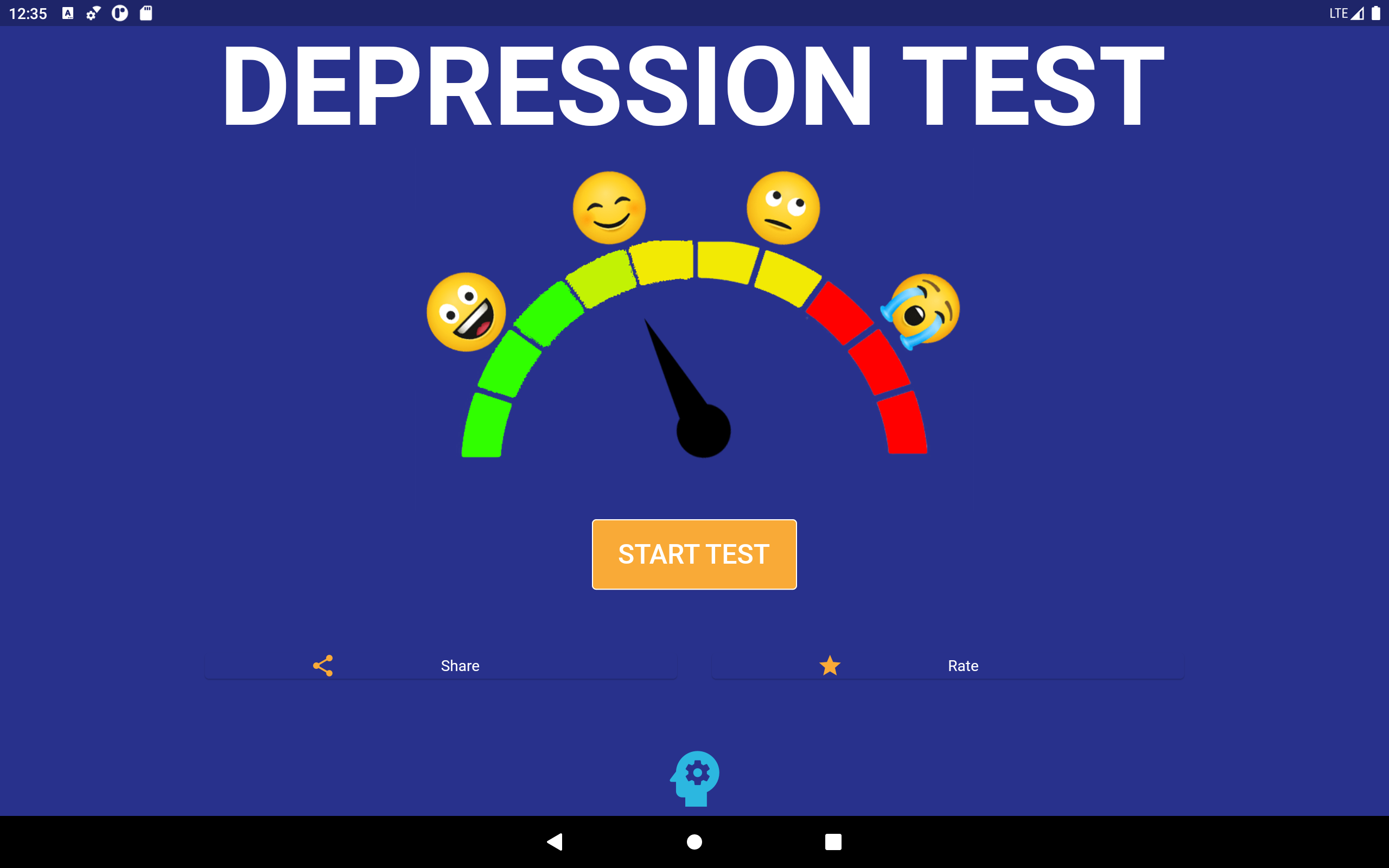
Recognizing the Signs: Differentiating Teenage Mood Swings from Clinical Depression
Teenage years are often marked by emotional ups and downs, making it challenging to distinguish typical mood swings from clinical depression. Understanding the key differences is crucial for early identification and intervention.
1. Duration and Intensity of Mood
Typical teenage mood swings are usually brief and reactive to specific events. Clinical depression, however, involves persistent feelings of sadness, hopelessness, or irritability that last for two weeks or longer. The intensity of these feelings is also significantly greater in depression, impacting daily functioning.
2. Loss of Interest and Pleasure
A significant indicator of depression is a noticeable decrease in interest or pleasure in activities that were once enjoyed. While teenagers may occasionally lose interest in certain hobbies, persistent apathy and withdrawal from social activities are red flags. This loss of interest goes beyond typical teenage boredom.
3. Changes in Sleep and Appetite
Depression can manifest as significant changes in sleep patterns and appetite. Some teenagers may experience insomnia, while others may sleep excessively. Similarly, some may lose their appetite, leading to weight loss, while others may overeat, resulting in weight gain. These changes are often accompanied by feelings of fatigue and low energy.
4. Physical and Cognitive Symptoms
Beyond emotional symptoms, depression can also present as physical complaints such as headaches, stomachaches, or fatigue. Cognitive symptoms include difficulty concentrating, remembering things, and making decisions. These symptoms can interfere with school performance and daily activities, further exacerbating feelings of distress.
The Role of Online Tools in Self-Assessment for Depression
Online tools offer a convenient starting point for individuals to explore their mental well-being and identify potential symptoms of depression, providing a preliminary understanding of their emotional state. However, these tools should not be considered a replacement for professional medical advice.
1. Accessibility and Convenience
Online depression self-assessment tools offer unparalleled accessibility and convenience. Individuals can access these resources from the comfort of their own homes, at any time, eliminating geographical barriers and scheduling constraints. This is particularly beneficial for those in remote areas or with limited access to mental health services. The anonymity provided by online platforms can also encourage individuals who might be hesitant to seek face-to-face help to explore their symptoms and concerns. The ease of use and readily available nature of these tools make them a valuable first step in addressing potential mental health issues.
2. Screening and Awareness
These online tools play a crucial role in raising awareness and promoting early screening for depression. By providing a quick and easily accessible way to assess symptoms, they can help individuals recognize potential problems they might otherwise overlook. This early identification is critical, as it can prompt individuals to seek professional help sooner, potentially leading to more effective treatment outcomes. The screening process can also educate users about the various symptoms of depression, helping them differentiate between normal fluctuations in mood and more serious underlying conditions.
3. Limitations and Considerations
While online self-assessment tools offer numerous benefits, it's crucial to acknowledge their limitations. These tools are not a substitute for a comprehensive evaluation by a qualified mental health professional. Online assessments may lack the nuance and depth of a face-to-face consultation, potentially leading to inaccurate or incomplete diagnoses. Furthermore, self-reporting can be subjective and influenced by individual biases. It is essential to interpret the results of online assessments with caution and seek professional guidance for accurate diagnosis and appropriate treatment.
Understanding Mental Health: The Importance of Early Detection and Intervention
Early detection and intervention in mental health are crucial for improving outcomes and quality of life. Recognizing the signs and symptoms early can lead to more effective treatment and support.
1. Recognizing the Signs of Depression
Depression manifests differently in individuals, but common signs include persistent sadness, loss of interest in activities, changes in appetite or sleep, fatigue, and difficulty concentrating. Irritability, restlessness, or feelings of worthlessness can also indicate depression. Recognizing these signs in oneself or others is the first step toward seeking help. It's important to remember that feeling down occasionally is normal, but persistent symptoms warrant attention.
2. The Role of Depression Tests
Depression tests, such as the Patient Health Questionnaire-9 (PHQ-9) or the Beck Depression Inventory (BDI), are valuable tools for screening and assessing the severity of depressive symptoms. These tests are not diagnostic but can help individuals and healthcare professionals determine if further evaluation is needed. They provide a structured way to evaluate mood, thoughts, and behaviors associated with depression, offering a starting point for discussion and potential treatment.
3. Benefits of Early Intervention
Early intervention in mental health can significantly improve long-term outcomes. Addressing depression early can prevent it from becoming chronic or leading to other health problems. Treatment options, such as therapy and medication, are often more effective when initiated early in the course of the illness. Additionally, early intervention can reduce the stigma associated with mental health conditions, encouraging individuals to seek help without shame or fear.
The Science Behind Depression Tests: How They Work and What They Measure
Depression tests are valuable tools that help identify and assess the severity of depressive symptoms, playing a crucial role in mental health care and treatment planning. They provide a structured way to understand an individual's emotional state.
1. The Core Principles
Depression tests, also called screening tools or assessments, are primarily designed to evaluate the presence and intensity of depressive symptoms. These tests often rely on self-report questionnaires or clinician-administered scales. They assess various factors like mood, sleep patterns, appetite, energy levels, and cognitive functions. The underlying principle is to quantify subjective experiences into measurable data, which can then be compared against established norms and thresholds to indicate potential depression.
2. Types of Depression Tests
Several types of depression tests exist, each with its own strengths and limitations. Common examples include the Beck Depression Inventory (BDI), the Hamilton Depression Rating Scale (HDRS), and the Patient Health Questionnaire-9 (PHQ-9). Self-report questionnaires allow individuals to express their experiences directly, while clinician-administered scales provide a more structured and objective evaluation. The choice of test depends on the clinical setting, the patient's condition, and the specific goals of the assessment.
3. What They Measure
Depression tests measure a range of symptoms associated with depression. These can include persistent sadness, loss of interest or pleasure in activities, changes in appetite or weight, sleep disturbances, fatigue, feelings of worthlessness or guilt, difficulty concentrating, and thoughts of death or suicide. The tests use standardized questions or prompts to elicit responses related to these symptoms. By evaluating the frequency and intensity of these symptoms, the tests can provide an overall score that indicates the severity of depression.
Communicating About Depression: Encouraging Open Dialogue with Teens
Opening up a dialogue about depression with teenagers can be challenging but is crucial for their well-being. Creating a safe and supportive environment is key to encouraging them to share their feelings and experiences.
1. Creating a Safe Space
Establishing a safe space involves demonstrating empathy and understanding. Avoid judgmental language and instead focus on active listening. Let the teen know that their feelings are valid, even if you don't fully understand them. This involves being patient and allowing them to express themselves without interruption or criticism. Reassure them that you are there to support them, regardless of what they are going through.
2. Initiating the Conversation
Finding the right time and place to initiate a conversation about depression is important. Choose a calm and private setting where the teen feels comfortable. Start by asking open-ended questions about their mood and well-being, such as "How have you been feeling lately?" or "Is there anything you'd like to talk about?". Be prepared for resistance and don't push if they are not ready to talk.
3. Recognizing Signs and Symptoms
Educate yourself on the signs and symptoms of depression in teens. These can include persistent sadness, loss of interest in activities, changes in sleep or appetite, irritability, and feelings of hopelessness. If you notice any of these signs, express your concerns in a gentle and non-confrontational way. Let them know that you are concerned about their well-being and want to help.
Q&A
Question 1: What are the key differences between typical teenage mood swings and clinical depression, according to the provided text?
Answer: Teenage mood swings are usually brief and reactive to specific events. Clinical depression involves persistent sadness, hopelessness, or irritability lasting two weeks or more, with significantly greater intensity impacting daily functioning. Other key differentiators include a persistent loss of interest in previously enjoyed activities (beyond typical teenage boredom), and significant changes in sleep and appetite patterns, often accompanied by fatigue and low energy. Physical symptoms like headaches and stomachaches, and cognitive difficulties like concentration problems, are also more common in clinical depression.
Question 2: What types of online tools are available for self-assessment of depression, and what are their limitations?
Answer: Online tools include depression scales (like PHQ-9 and GAD-7), mood trackers, AI chatbots, and psychoeducational resources. While offering accessibility and convenience for screening and raising awareness, they are not a substitute for professional diagnosis. Limitations include the lack of nuance compared to face-to-face consultations, potential for inaccurate self-reporting due to subjective biases, and the inability to provide comprehensive evaluations or treatment plans.
Question 3: What are the benefits of early detection and intervention for depression?
Answer: Early detection and intervention improve long-term outcomes and quality of life. Addressing depression early prevents it from becoming chronic, reduces the risk of developing other health problems, and makes treatment (therapy and medication) more effective. Early intervention also reduces the stigma associated with mental health conditions, encouraging individuals to seek help without shame or fear.
Question 4: How can one encourage open dialogue about depression with teenagers?
Answer: Creating a safe, supportive, and non-judgmental environment is crucial. Active listening, empathy, and patience are essential. Start by asking open-ended questions about their mood and well-being, avoiding pressure if they're hesitant. Educate yourself on the signs and symptoms of teen depression. Offer support and information about available resources like mental health professionals, support groups, and online resources, emphasizing that seeking help is a sign of strength.
References:
- https://www.embarkbh.com/treatment/depression/signs-symptoms/is-my-daughter-depressed/
- https://www.teenlife.com/blog/teenage-depression/
- https://www.choosingtherapy.com/depression/
- https://americanbehavioralclinics.com/talking-to-your-teen-about-mental-health-encouraging-dialogue-without-creating-distance/