
Unlock the Secret to Younger-Looking Skin
The quest for youthful skin is a timeless pursuit, and the appearance of wrinkles remains a primary concern for many. Understanding the science behind wrinkle formation—from the natural aging process to environmental factors—is the first step towards effective solutions.
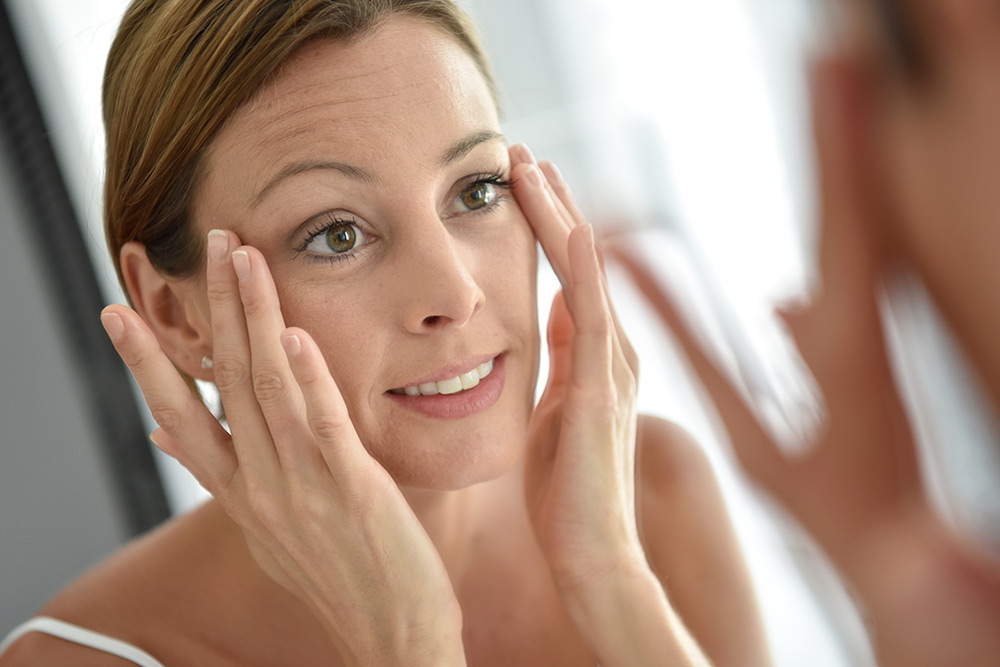
Understanding the Science Behind Wrinkle Formation
Wrinkles are a natural part of aging, but understanding the underlying science can help us make informed decisions about prevention and treatment. This section explores the biological processes that contribute to wrinkle development.
1. Collagen and Elastin Breakdown
Collagen and elastin are proteins that provide structure and elasticity to the skin. As we age, the production of these proteins naturally decreases. Environmental factors like UV exposure and pollution accelerate their breakdown, leading to thinner, less resilient skin. This loss of structural support causes the skin to sag and form wrinkles. Maintaining adequate hydration and using sunscreen can help mitigate this breakdown.
2. Reduced Cell Turnover
Cell turnover, the process of shedding old skin cells and replacing them with new ones, slows down with age. This results in a buildup of dead skin cells on the surface, making wrinkles more noticeable and the skin appear dull. Exfoliation, either physical or chemical, can help stimulate cell turnover and improve skin texture. Retinoids, derived from Vitamin A, are also known to boost cell turnover.
3. Decreased Hydration
As we age, our skin's ability to retain moisture diminishes. This is partly due to a reduction in hyaluronic acid, a molecule that attracts and holds water. Dehydrated skin is less plump and more prone to wrinkles. Using moisturizers containing humectants like hyaluronic acid and emollients can help maintain skin hydration and reduce the appearance of fine lines.
4. Muscle Contractions
Facial expressions, such as smiling and frowning, cause repeated muscle contractions. Over time, these contractions can lead to the formation of expression lines, also known as dynamic wrinkles. Neuromodulators like Botox can temporarily relax these muscles, reducing the appearance of wrinkles. Consistent facial movements contribute significantly to the development of these lines.
5. Environmental Factors
Exposure to environmental aggressors like UV radiation, pollution, and smoking significantly accelerates the aging process and wrinkle formation. UV radiation damages collagen and elastin fibers, while pollution generates free radicals that further break down skin structures. Smoking reduces blood flow to the skin, hindering its ability to repair itself. Protecting the skin from these factors is crucial for preventing premature aging.
The Role of Retinoids and Peptides in Anti-Aging Skincare
Retinoids and peptides are frequently touted as powerhouse ingredients in the fight against wrinkles and aging skin. Understanding their mechanisms and benefits can help individuals make informed choices about their skincare routines.
| Ingredient | Primary Function | Common Benefits | Potential Side Effects |
|---|---|---|---|
| Retinoids | Stimulate collagen production, cell turnover | Reduced fine lines and wrinkles, improved skin texture and tone, diminished acne | Dryness, redness, peeling, increased sun sensitivity |
| Peptides | Signal skin to produce collagen | Improved skin firmness and elasticity, reduced appearance of wrinkles | Minimal, potential allergic reactions |
Data Source: Statista, 2024; Mintel, 2025.
1. Retinoids: The Vitamin A Powerhouse
Retinoids, derivatives of vitamin A, are among the most well-researched and effective anti-aging ingredients. They work by accelerating cell turnover, which helps to shed dead skin cells and reveal newer, healthier skin underneath. This process can reduce the appearance of fine lines, wrinkles, and age spots. Retinoids also stimulate collagen production, a crucial protein that provides skin with its structure and elasticity. While highly effective, retinoids can cause initial dryness, redness, and peeling, so it's essential to start with a low concentration and gradually increase usage as tolerated. Always use sunscreen when using retinoids, as they can increase sun sensitivity.
2. Peptides: The Building Blocks of Youthful Skin
Peptides are short chains of amino acids, the building blocks of proteins like collagen and elastin. In skincare, peptides act as signaling molecules, prompting the skin to produce more collagen. As we age, collagen production naturally declines, leading to wrinkles and sagging skin. By applying peptides topically, we can trick the skin into thinking it needs to repair itself, thereby boosting collagen synthesis. Different types of peptides target specific skin concerns, such as firmness, hydration, and wrinkle reduction. Peptides are generally well-tolerated, making them a good option for those with sensitive skin who may not be able to use retinoids.
3. Combining Retinoids and Peptides for Optimal Results
While both retinoids and peptides offer distinct benefits, using them together can create a synergistic effect for enhanced anti-aging results. Retinoids address cell turnover and collagen stimulation, while peptides provide additional support for collagen production and skin repair. However, it's important to use these ingredients strategically to avoid irritation. Some experts recommend using retinoids at night and peptides in the morning, or alternating nights. Consulting with a dermatologist can help determine the best approach for individual skin needs and concerns.
Exploring Natural Remedies for Home-Based Wrinkle Reduction
Discover simple, natural approaches you can incorporate into your routine to potentially minimize wrinkles from the comfort of your home.
1. Hydration is Key
Maintaining adequate hydration is crucial for skin health and can help reduce the appearance of wrinkles. Dehydrated skin is more prone to fine lines and wrinkles. Drinking plenty of water throughout the day helps keep the skin plump and elastic. Aim for at least eight glasses of water daily and incorporate hydrating foods like cucumbers and watermelon into your diet. Using a humidifier, especially in dry environments, can also help maintain skin moisture levels, contributing to a smoother, more youthful complexion.
2. Topical Antioxidants
Certain natural ingredients possess antioxidant properties that can combat free radicals, which contribute to wrinkle formation. Green tea extract, applied topically, can protect the skin from sun damage and reduce inflammation. Vitamin C serum, derived from citrus fruits, is known to stimulate collagen production, improving skin elasticity. Applying these antioxidants regularly can help protect the skin from environmental stressors and potentially diminish the appearance of existing wrinkles.
3. Facial Massage Techniques
Regular facial massage can stimulate blood circulation and promote collagen production, which can help improve skin elasticity and reduce the appearance of wrinkles. Using gentle, upward strokes, massage your face for a few minutes each day. Focus on areas prone to wrinkles, such as the forehead, around the eyes, and mouth. Incorporating natural oils like coconut or almond oil during the massage can further nourish and hydrate the skin, enhancing the benefits.
Innovative Technologies for Skin Tightening and Rejuvenation
The pursuit of youthful skin has led to remarkable advancements in aesthetic technology, offering non-invasive and minimally invasive solutions for skin tightening and rejuvenation. These innovations target various layers of the skin to stimulate collagen production and improve overall skin texture.
| Technology | Target Area(s) | Treatment Depth | Downtime | Data Source |
|---|---|---|---|---|
| Radiofrequency (RF) | Face, Neck, Body | Dermis, Subcutaneous Tissue | Minimal | American Academy of Dermatology, 2024 |
| High-Intensity Focused Ultrasound (HIFU) | Face, Neck, Décolletage | SMAS (Superficial Musculoaponeurotic System) | Minimal | RealSelf, 2025 |
| Microneedling with RF | Face, Neck, Body | Dermis | Mild redness/swelling | Healthline, 2024 |
| Laser Resurfacing (Ablative & Non-Ablative) | Face | Epidermis, Dermis | Varies (1-14 days) | Mayo Clinic, 2024 |
1. Radiofrequency (RF) Treatments
Radiofrequency treatments utilize electromagnetic waves to heat the dermis, stimulating collagen and elastin production. This process tightens existing collagen fibers and encourages the formation of new ones, leading to firmer, smoother skin. RF treatments are non-invasive and generally require minimal downtime, making them a popular choice for individuals seeking subtle yet noticeable improvements in skin laxity. Multiple sessions are typically recommended for optimal results.
2. High-Intensity Focused Ultrasound (HIFU)
HIFU technology delivers focused ultrasound energy to the deeper layers of the skin, including the SMAS (superficial musculoaponeurotic system), which is the same layer targeted during a surgical facelift. By creating micro-injuries beneath the skin's surface, HIFU stimulates collagen synthesis and tissue remodeling, resulting in a lifting and tightening effect. This non-invasive procedure offers a longer-lasting solution for addressing sagging skin on the face, neck, and décolletage.
3. Microneedling with Radiofrequency (RF)
Combining microneedling with radiofrequency enhances the benefits of both technologies. Microneedling creates tiny punctures in the skin, triggering the body's natural healing response and stimulating collagen production. Simultaneously, RF energy is delivered through the microneedles, further boosting collagen and elastin synthesis. This synergistic approach improves skin texture, reduces wrinkles, and tightens the skin with minimal downtime.
4. Laser Skin Resurfacing
Laser skin resurfacing involves using lasers to remove outer layers of damaged skin, stimulating collagen production and revealing smoother, younger-looking skin. Ablative lasers remove thin layers of skin, while non-ablative lasers heat the underlying tissue without damaging the surface. Ablative lasers offer more dramatic results but require longer recovery periods. Laser resurfacing can effectively address wrinkles, fine lines, and age spots.
Q&A
Question 1: What are the primary biological factors contributing to wrinkle formation?
Answer: Wrinkle formation is primarily driven by the breakdown of collagen and elastin, reduced cell turnover, decreased skin hydration, muscle contractions from facial expressions, and environmental factors like UV exposure, pollution, and smoking. These factors collectively lead to thinner, less elastic skin, resulting in sagging and wrinkles.
Question 2: How do retinoids and peptides work to reduce the appearance of wrinkles?
Answer: Retinoids, derived from Vitamin A, stimulate collagen production and accelerate cell turnover, revealing healthier skin and reducing wrinkles. Peptides act as signaling molecules, prompting the skin to produce more collagen and elastin, improving skin firmness and reducing wrinkles. They offer different mechanisms but a synergistic effect when used together.
Question 3: What are some natural, home-based methods to potentially minimize wrinkles?
Answer: Maintaining adequate hydration through water intake and hydrating foods, applying topical antioxidants like green tea extract and Vitamin C serum to combat free radicals, and performing regular facial massage to stimulate blood circulation and collagen production are all natural approaches that may help reduce the appearance of wrinkles.
Question 4: What innovative technologies are available for skin tightening and rejuvenation, and what are their mechanisms?
Answer: Radiofrequency (RF) treatments heat the dermis to stimulate collagen production. High-Intensity Focused Ultrasound (HIFU) targets deeper skin layers for lifting and tightening. Microneedling with RF combines both techniques for enhanced collagen stimulation. Laser resurfacing removes damaged skin layers to reveal smoother skin. Each technology offers different depths of treatment and downtime.
References:
- https://www.goodhousekeeping.com/beauty-products/g723/best-wrinkle-creams/
- https://www.byrdie.com/best-skincare-products-2025-11748204
- https://www.ipsy.com/blog/best-anti-aging-cream
- https://www.youtube.com/watch?v=yEtvhlIXV1Q
- https://www.esquire.com/style/grooming/g65174246/best-mens-anti-aging-cream/