
Unlock Your Inner Designer: Online Interior Design Courses
The digitalization of interior design education has democratized access to foundational knowledge, with online platforms offering structured learning materials covering core competencies like spatial composition, material selection, and aesthetic principles.
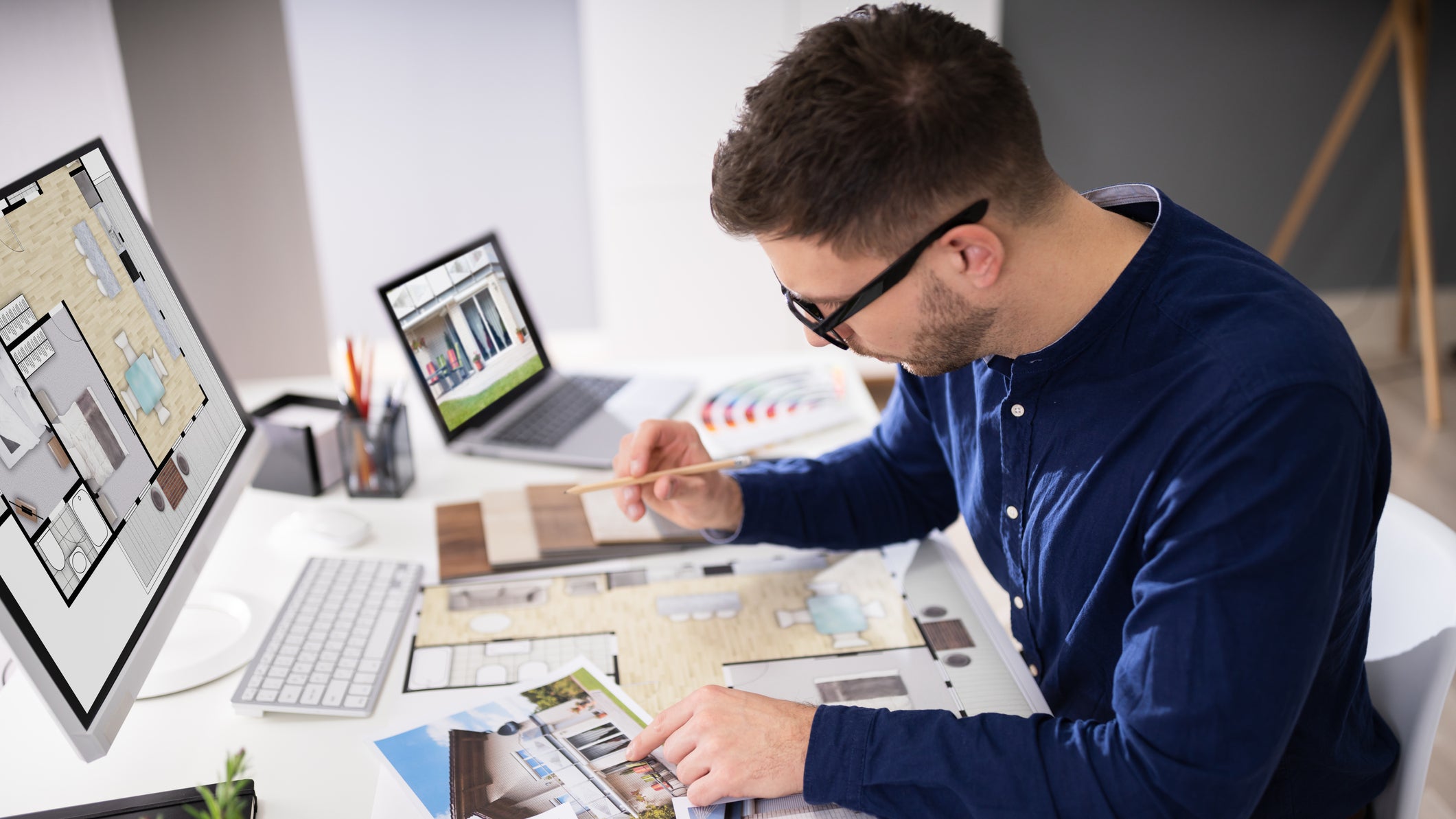
Understanding the Basics: Key Principles of Interior Design
Interior design is more than just decorating; it's about creating functional and aesthetically pleasing spaces. It involves understanding how people use spaces and then designing them to meet those needs.
1. Space Planning
Space planning is the foundation of interior design. It involves analyzing how a space will be used and then creating a layout that maximizes functionality and flow. This includes considering factors like traffic patterns, furniture placement, and the relationship between different areas. Effective space planning ensures that a room is not only beautiful but also practical and comfortable to use. It also takes into account accessibility and universal design principles to accommodate a variety of users.
2. Color Theory
Color plays a crucial role in interior design, influencing mood and perception. Understanding color theory allows designers to create harmonious and impactful color palettes. Color theory encompasses elements like hue, saturation, and value, as well as color relationships such as complementary, analogous, and triadic schemes. The strategic use of color can visually expand or contract a space, highlight architectural features, and evoke specific emotions.
3. Lighting
Lighting is an essential aspect of interior design, impacting both the functionality and ambiance of a space. There are three main types of lighting: ambient (general illumination), task (focused lighting for specific activities), and accent (decorative lighting to highlight features). A well-designed lighting plan incorporates all three types to create a balanced and visually appealing environment. Natural light should also be considered and maximized whenever possible.
4. Materials and Textures
The selection of materials and textures contributes significantly to the overall aesthetic and tactile experience of a space. Different materials evoke different feelings, and the interplay of textures adds depth and interest. Considerations include durability, maintenance, and sustainability. Combining smooth and rough textures, or contrasting materials like wood and metal, can create visual interest and enhance the sensory experience of a room.
Exploring Online Platforms: Accessing Free Interior Design Resources
The internet offers a wealth of resources for aspiring interior designers, from beginners seeking inspiration to seasoned professionals looking to expand their knowledge. Many platforms provide free access to valuable learning materials and tools.
1. YouTube Channels and Video Tutorials
YouTube is a goldmine for visual learners. Numerous channels offer free interior design tutorials, covering topics from basic design principles to advanced software skills. Many professional designers and educators share their expertise, providing step-by-step guidance on space planning, color theory, and furniture arrangement. These videos often include real-world examples and practical tips, making learning engaging and accessible. The platform allows for interactive learning through comments and Q&A sessions, fostering a supportive community for design enthusiasts.
2. Online Design Blogs and Articles
Many design blogs and websites offer free articles and resources on various interior design topics. These resources cover everything from the latest trends to historical design styles. Websites like Houzz and Apartment Therapy provide a wealth of inspiration and practical advice. These blogs also offer insights into the business side of interior design, including marketing strategies and client management tips. They are a great way to stay updated on the industry and learn from experienced professionals.
3. Free Online Courses and Webinars
Several platforms offer free introductory courses and webinars on interior design. Websites like Skillshare and Coursera often provide free trials or limited access to their courses, allowing you to explore the basics of interior design. These courses usually cover fundamental concepts like space planning, color psychology, and material selection. Webinars hosted by industry experts offer valuable insights into specific design trends and techniques. While some resources may require a paid subscription for full access, the free offerings can be a great starting point for beginners.
From Hobby to Profession: Pathways to Certification in Interior Design
Interior design, blending creativity and technical knowledge, offers avenues for enthusiasts to turn their passion into a rewarding career. Formal education and professional certifications are key to establishing credibility and expertise in this competitive field.
1. Educational Foundations: Degrees and Diplomas
Aspiring interior designers often begin with a formal education. Bachelor's degrees in Interior Design are comprehensive, covering design principles, spatial planning, building codes, and sustainable practices. Associate degrees and diplomas provide a more focused, shorter path, often emphasizing technical skills and practical application. These programs equip individuals with the foundational knowledge necessary for entry-level positions.
2. The Value of Professional Certification
Professional certifications, such as those offered by the National Council for Interior Design Qualification (NCIDQ), demonstrate competency and commitment to the profession. Certification typically requires a combination of education, work experience, and passing a rigorous examination. Holding a certification can enhance career prospects, increase earning potential, and provide recognition within the industry.
3. Gaining Practical Experience
While education and certification are crucial, practical experience is equally important. Internships, entry-level design positions, and shadowing experienced designers provide invaluable hands-on learning. These opportunities allow aspiring designers to apply their knowledge, develop their skills, and build a professional portfolio showcasing their capabilities to potential employers.
4. Specialized Skills and Continuing Education
The field of interior design is constantly evolving, with new technologies, materials, and design trends emerging regularly. Interior designers often specialize in areas such as residential design, commercial design, or sustainable design. Continuing education courses, workshops, and industry conferences are essential for staying current and expanding one's expertise throughout their career.
The Role of Technology in Modern Interior Design Education
Technology is reshaping interior design education, offering innovative tools and techniques that enhance creativity, efficiency, and collaboration in the learning process, preparing students for the demands of the modern industry.
1. Virtual Reality (VR) and Augmented Reality (AR)
VR and AR technologies provide immersive learning experiences for interior design students. VR allows students to virtually walk through and interact with their designs in a simulated environment, enabling them to visualize spatial arrangements, lighting effects, and material choices before physical implementation. AR, on the other hand, overlays digital information onto the real world, allowing students to visualize furniture placement and decor options in existing spaces. These technologies enhance design comprehension and decision-making skills, bridging the gap between conceptualization and realization.
2. Computer-Aided Design (CAD) and Building Information Modeling (BIM)
CAD software and BIM platforms are essential tools in modern interior design education. CAD enables students to create precise 2D and 3D drawings, while BIM allows them to develop comprehensive digital models of buildings, integrating architectural, structural, and MEP (mechanical, electrical, plumbing) information. These tools foster collaboration among different disciplines and ensure that designs are technically accurate and feasible. Learning CAD and BIM prepares students for professional practice, where these technologies are widely used for design development, documentation, and project management.
3. Online Learning Platforms and Digital Resources
Online learning platforms and digital resources have expanded access to interior design education. Online courses, tutorials, and webinars provide students with flexible learning options and access to a wide range of expertise. Digital libraries and online databases offer vast collections of design resources, including material samples, product catalogs, and case studies. These resources empower students to conduct research, explore design trends, and develop their skills at their own pace, fostering a more personalized and engaging learning experience.
4. 3D Printing and Digital Fabrication
3D printing and digital fabrication technologies are transforming the way interior designers create prototypes and customized elements. Students can use 3D printers to produce scale models, furniture prototypes, and decorative objects, allowing them to test design concepts and refine their ideas. Digital fabrication tools, such as laser cutters and CNC routers, enable students to create intricate patterns and complex geometries from various materials. These technologies promote innovation and experimentation, empowering students to push the boundaries of design and create unique, personalized solutions.
Q&A
Question 1: What are the five key principles of interior design discussed in the provided text, and how do they impact the overall design?
Answer: The five key principles are Balance (creating visual equilibrium), Proportion & Scale (relating sizes of elements to each other and the space), Harmony & Unity (cohesion through consistent color, texture, and style), Emphasis & Focal Point (creating a point of interest), and Rhythm (creating visual movement). These principles work together to create spaces that are not only aesthetically pleasing but also functional and comfortable, ensuring a harmonious and well-thought-out design.
Question 2: Beyond the basic design principles, what are three crucial elements discussed that contribute significantly to successful interior design projects?
Answer: Space planning (analyzing space use to maximize functionality and flow), color theory (using color to influence mood and perception), and lighting (incorporating ambient, task, and accent lighting for balanced functionality and ambiance) are three crucial elements. These elements build upon the foundational principles to create a complete and effective design.
References:
- https://cigmapedia.com/free-online-courses/interior-design/
- https://www.apsu.edu/continuing-education/residential-interior-designer.php
- https://www.coursera.org/learn/blueprint-to-brilliance-through-interior-design
- https://www.edx.org/learn/design
- https://www.teacherspayteachers.com/Product/Interior-Design-Online-Project-Family-Consumer-Sciences-FCS-5850443