
Viral Emotion: The Power of Reaction Images
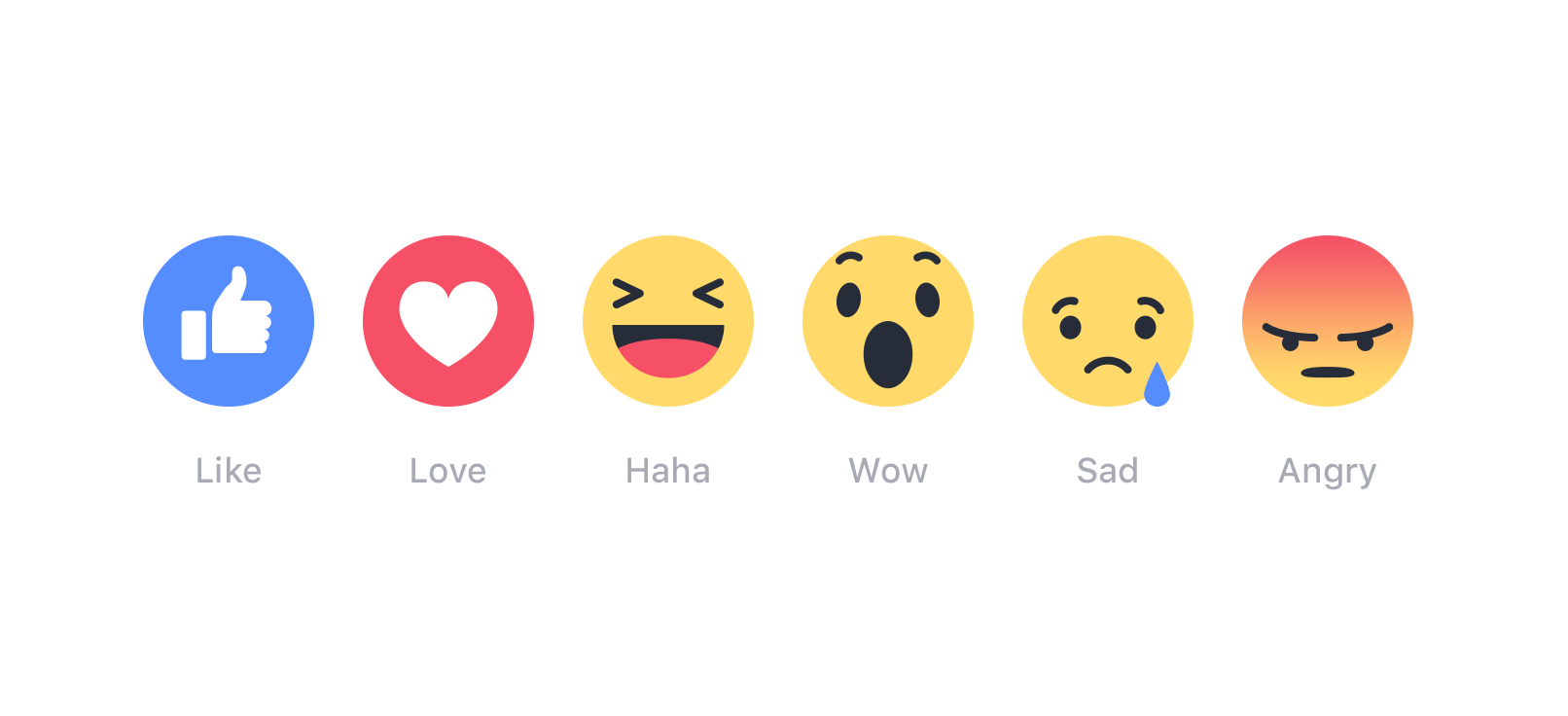
In the digital age, expressing feelings online often transcends simple text. Viral content frequently uses visual cues to convey instantaneous feelings. From joy to frustration, these snapshots of raw emotion encapsulate responses in a shareable format, providing a quick and relatable way to connect with others through universally understood sentiments.
The Origins of Reaction Images
Iconic Reaction Images and Their Meanings
1. Side Eyeing Chloe

2. Roll Safe

3. Wojak (Feels Guy)

Beyond the LOLs: Cultural Nuances in Reaction Images
1. Reaction Images as More Than Humor
- On the surface, reaction images appear as simple, universally funny snippets.
- Beneath the laughter, they carry cultural nuances that give them deeper meaning.
- They reflect shared experiences, beliefs, and even societal anxieties.
2. Emotional Resonance Across Mediums
- Emotional response enhances appreciation for both human- and AI-created art.
- Suggests people connect emotionally even to artificial or fictional images.
- Reaction images, like virtual performers in East Asian pop culture, evoke deeper emotions by blending creativity and cultural context.
3. Role in Social Media and Youth Culture
- Platforms such as YouTube, TikTok, and Instagram are key spaces for social interaction among younger generations.
- Reaction images act as visual shorthand for expressing emotions and identity online.
- The same image can trigger different reactions depending on one’s cultural background or geographic location.
4. Cultural and Socio-Political Influences
- Reaction images are influenced by societal and political contexts.
- Visual media, including reaction images, can express cultural identity and emotional responses during times of change or conflict.
- Humor can coexist with nuanced, context-dependent meanings, making some images more layered than they appear.
5. Summary Insight
- Reaction images are powerful tools of cultural expression.
- Their meanings extend beyond amusement, capturing shared cultural experiences, social identity, and emotional subtleties.
The Changing Landscape of Online Expression: What's Next for Reaction Pics?
The way we communicate online is constantly evolving, and reaction images are no exception. What started as simple, static pictures is now morphing into something much more dynamic and interactive. So, what's in store for the future of these expressive images?
1. Dynamic and Multimedia-Driven Reactions
Reaction images aren't just still photos anymore. Think about platforms where short-form videos reign supreme. We're seeing a rise in reaction videos, often incorporating elements of memes, lip-syncing, and visual filters. These allow for a far more nuanced and engaging way to express feelings. Imagine responding to a friend's announcement not just with a shocked face, but with a mini-video of yourself dramatically reacting to the news!
2. Brand Integration and Storytelling
Businesses are also catching on to the power of reaction images. More and more, brands are using short, visual stories – including reaction pictures – to connect with younger audiences on an emotional level. This helps them create authentic narratives and build stronger relationships with their customers. Reaction images can be integrated even with brands' corporate social responsibility efforts, showing that they understand and participate in online culture beyond just selling products.
3. The Rise of AI and Personalized Reactions
Looking further ahead, we can anticipate even more personalized and sophisticated reaction options. Imagine AI tools that can generate unique reactions based on your specific context and personality. These tools might analyze the content you're reacting to and automatically create a perfectly tailored response, or even let you create your own personalized avatar to react for you.
4. User-Generated Content and Social Commentary
It's also worth noting that reaction images are being increasingly used to express personal opinions and humor about serious topics. People are using these visual tools to comment on current events, social issues, and even environmental concerns. Sharing photos that react to environmental themes showcases how individuals express personal stances, blending serious subject matter with humor.
5. Platform Dominance and Usage Patterns
Platforms that emphasize image-based communication, like those favored by younger demographics, are key venues for sharing reaction pictures. The popularity of these platforms shows how important rapid emotional exchange is in today's digital landscape. Analyzing platform usage patterns helps us understand how reaction images reflect cultural moments and evolving communication styles.
How to Use Reaction Images Effectively
-
Understand the Context: Ensure the image aligns with the situation or message you're responding to.
-
Know Your Audience: Some memes may be niche or specific to certain communities; use them appropriately.
-
Timing is Key: Delivering a reaction image at the right moment can amplify its impact.
-
Keep It Relevant: Avoid overusing the same image; variety keeps the conversation engaging.
Question and Answer
-
What are reaction images, and why have they become so popular online?
Reaction images are visual snippets often used online to convey emotions or reactions in a humorous or poignant way. They have gained popularity because they serve as a universal language, transcending words to express feelings succinctly. Their effectiveness lies in their ability to instantly communicate complex emotions, making them ideal for quick, relatable exchanges on social media.
-
How do reaction images differ from traditional memes, and what makes them unique?
Unlike traditional memes, which often involve a combination of text and image to convey a specific joke or message, reaction images focus primarily on the visual expression of emotion. They are unique because they act as a shorthand for emotional expression, allowing users to convey their feelings without needing to explain in words. This immediacy and universality set reaction images apart in the digital communication landscape.
-
What role do cultural nuances play in the interpretation of reaction images?
Cultural nuances significantly influence how reaction images are interpreted. The same image might evoke different responses based on cultural backgrounds, societal norms, and personal experiences. For instance, a reaction image popular in the United States might not have the same impact or might be perceived differently in another cultural context. Understanding these nuances is crucial for effectively using reaction images in diverse online communities.
-
What ethical considerations should be taken into account when using reaction images featuring real people?
When using reaction images featuring real people, it is important to consider issues of consent and privacy. Many reaction images are created from candid photos or videos of individuals who may not have agreed to their likeness being used widely online. Users should be mindful of the potential for misuse or misinterpretation, ensuring that the individuals depicted in these images are not subjected to ridicule or unwanted attention.
-
How can one create effective and viral reaction images?
Creating effective and viral reaction images involves capturing genuine emotions and tapping into universal experiences. To do this, consider common scenarios that evoke strong feelings, such as frustration with technology or joy at a personal achievement. Incorporating current trends, such as popular audio clips or visual effects, can also enhance the appeal. Additionally, ensuring that the content is relatable and easy to understand increases its shareability, boosting the chances of it going viral.