
Your Golden Years: Exploring Senior Living Options
Moving into senior living marks an important chapter in life, filled with new experiences and a fulfilling lifestyle. Choosing the right living arrangement is a very personal journey, influenced by individual needs, preferences, and financial factors. Understanding the various options available can help individuals and families make informed decisions that prioritize comfort, well-being, and a smooth transition into this exciting new phase of life.
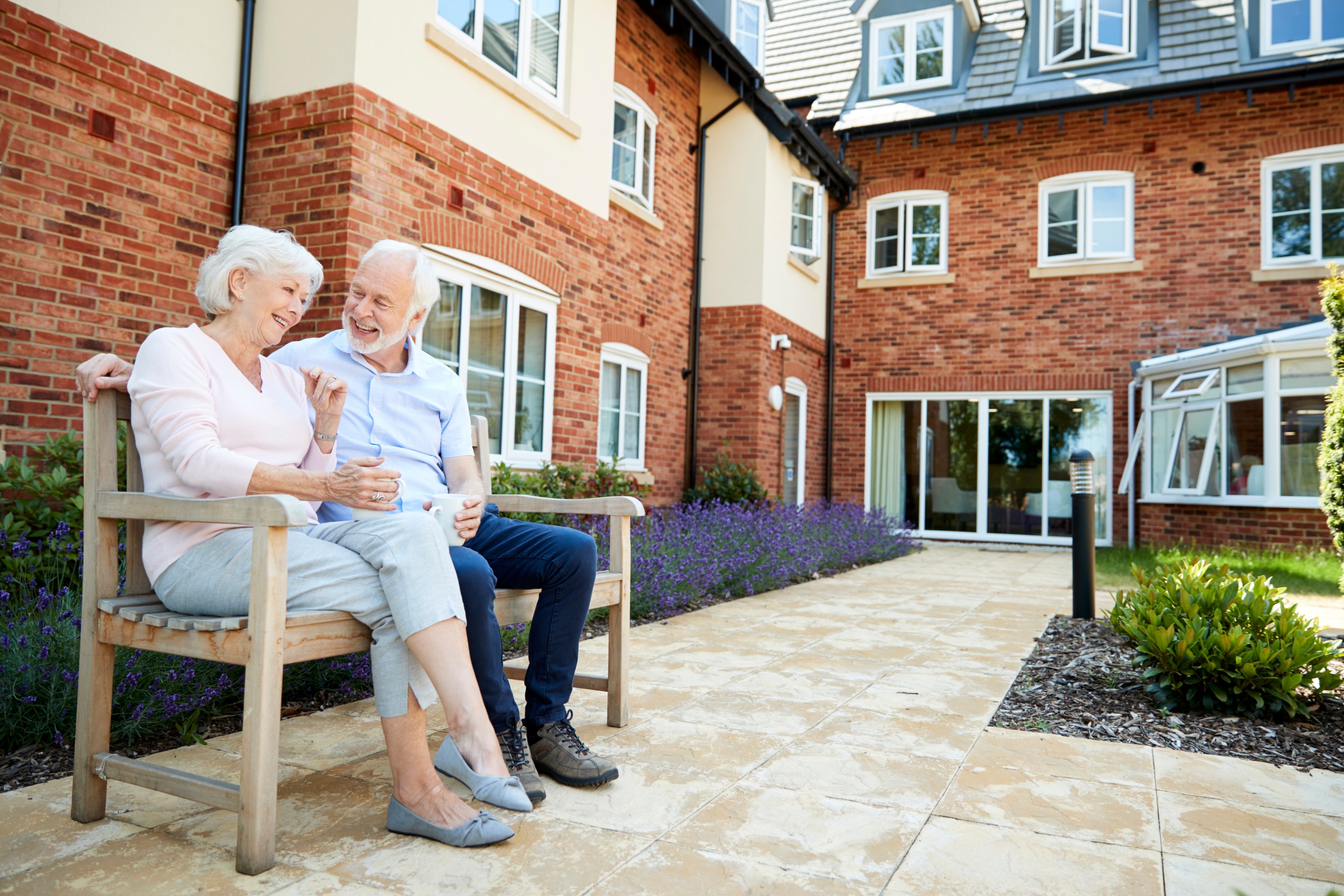
Understanding Senior Living: Types and Features
Senior living encompasses a range of housing and care options designed to meet the diverse needs of older adults. Understanding these options is crucial for making informed decisions about the best fit for individual circumstances.
| Type of Senior Living | Features | Estimated Monthly Cost (USD) |
|---|---|---|
| Independent Living | Apartment-style living, social activities, minimal assistance. | $1,500 - $4,000 |
| Assisted Living | Housing, meals, personal care assistance, medication management. | $4,000 - $10,000 |
| Memory Care | Specialized care for individuals with Alzheimer's or dementia. | $6,000 - $12,000+ |
| Skilled Nursing Facilities | 24-hour medical care, rehabilitation services, and nursing assistance. | $8,000 - $15,000+ |
| Continuing Care Retirement Communities (CCRCs) | Continuum of care: independent living, assisted living, and skilled nursing. | Varies widely; often requires entrance fee |
Data Source: Genworth Cost of Care Survey 2024, Caring.com 2025, Medicare.gov 2024, LeadingAge 2024.
1. Independent Living
Independent living communities are designed for seniors who are generally healthy and active but desire a maintenance-free lifestyle. These communities typically offer apartments or villas, social activities, dining options, and transportation services. Residents enjoy the privacy of their own homes while benefiting from a supportive environment and opportunities for socialization. This option is suitable for individuals who can manage their own personal care and household tasks but appreciate the convenience and security of community living. It's important to note that healthcare services are typically not included in independent living, but some communities may offer access to on-site medical clinics or home care agencies.
2. Assisted Living
Assisted living provides a higher level of care than independent living. It is ideal for seniors who need assistance with activities of daily living (ADLs) such as bathing, dressing, medication management, and meal preparation. Assisted living facilities offer a supportive environment with 24-hour supervision and personalized care plans. Residents typically live in private or semi-private apartments and have access to common areas for socializing and activities. The goal of assisted living is to promote independence and quality of life while providing the necessary support to maintain safety and well-being.
3. Memory Care
Memory care communities specialize in providing care for individuals with Alzheimer's disease or other forms of dementia. These communities offer a secure and supportive environment designed to meet the unique needs of residents with cognitive impairment. Memory care facilities typically feature specialized staff trained in dementia care, structured activities to stimulate cognitive function, and secure outdoor spaces for wandering. The focus is on creating a calm and familiar environment that minimizes confusion and maximizes quality of life for residents with memory loss. Safety features such as secured entrances and wander management systems are common.
4. Skilled Nursing Facilities
Skilled nursing facilities (SNFs), also known as nursing homes, provide the highest level of medical care and support for seniors with complex health needs. SNFs offer 24-hour nursing care, rehabilitation services (physical, occupational, and speech therapy), and assistance with all aspects of daily living. Residents may require skilled nursing care due to chronic illnesses, injuries, or post-surgical recovery. SNFs are staffed by licensed nurses, therapists, and other healthcare professionals who provide comprehensive medical and rehabilitative care. These facilities are often the best option for individuals who require constant medical supervision and assistance.
Financial Considerations: Income-Based Housing for Seniors
Navigating senior living options involves careful financial planning. Income-based housing provides affordable solutions for seniors with limited financial resources, ensuring access to safe and comfortable living environments.
1. Understanding Income Limits
Income-based housing, such as Section 8 or subsidized senior apartments, establishes specific income limits to determine eligibility. These limits, often set by HUD (the U.S. Department of Housing and Urban Development), vary by location and household size. Seniors applying for these programs must demonstrate that their gross annual income falls below the designated threshold to qualify for reduced rent or housing assistance. Regularly checking local income limits is crucial, as they are updated annually to reflect changes in the cost of living.
2. Calculating Housing Costs
The cost of income-based housing is typically calculated as a percentage of the senior's adjusted gross income. Often, residents pay around 30% of their income towards rent and utilities. This helps ensure housing remains affordable, even on a limited or fixed income. Additional factors, like medical expenses, may further reduce the amount owed. Understanding how these calculations are performed can assist seniors in budgeting effectively and managing their finances while residing in income-based communities.
3. Exploring Available Programs
Several programs support income-based housing for seniors. Section 202 Supportive Housing for the Elderly provides funding for the development and operation of affordable housing for seniors. Low-Income Housing Tax Credit (LIHTC) programs encourage private developers to create affordable housing units. State and local governments also offer various housing assistance programs tailored to the needs of their senior populations. Researching and applying for these programs can significantly alleviate the financial burden of housing for eligible seniors.
Exploring Active Adult Communities: Lifestyle and Amenities
Active adult communities cater to individuals aged 55 and over who are seeking a vibrant, engaging, and maintenance-free lifestyle. These communities often provide a range of amenities and activities designed to promote social interaction, physical fitness, and intellectual stimulation.
1. Independent Living and Social Engagement
Active adult communities emphasize independent living, allowing residents to maintain their autonomy while enjoying a supportive environment. Social engagement is a key component, with organized activities, clubs, and events designed to foster connections among residents. This can range from book clubs and gardening groups to fitness classes and planned outings. The focus is on creating a sense of community and belonging.
2. Amenities and Recreation
A wide array of amenities is a hallmark of active adult communities. Common features include clubhouses, swimming pools, fitness centers, walking trails, and even golf courses. Many communities also offer arts and crafts studios, libraries, and spaces for games like billiards or card games. These amenities are designed to cater to a variety of interests and promote an active and fulfilling lifestyle.
3. Maintenance-Free Living
One of the most appealing aspects of active adult communities is the maintenance-free lifestyle. Landscaping, snow removal, and exterior home maintenance are typically handled by the community, freeing up residents to pursue their hobbies and interests without the burden of home upkeep. This can be particularly attractive for those who are looking to downsize and simplify their lives.
The Role of Location in Choosing Senior Living Options
Choosing the right senior living option involves many factors, and location is a crucial one. The ideal location can significantly impact a senior's quality of life, access to healthcare, and connection to loved ones. It's about finding a place that supports their physical, emotional, and social well-being.
1. Proximity to Family and Friends
Staying connected with family and friends is vital for seniors' mental and emotional health. Choosing a senior living community near loved ones allows for frequent visits, participation in family events, and a continued sense of belonging. This proximity can ease the transition into senior living and reduce feelings of isolation. Easy access for visitors also ensures that seniors can maintain their support network.
2. Access to Healthcare Services
Convenient access to quality healthcare is a primary concern for seniors. A location near hospitals, clinics, and specialists ensures timely medical attention when needed. Consider the availability of transportation to medical appointments and the presence of specialized care facilities in the area. This accessibility provides peace of mind for both seniors and their families.
3. Community Amenities and Activities
The surrounding community plays a significant role in a senior's lifestyle. A location with access to parks, recreational centers, libraries, and cultural attractions can enhance their social and physical well-being. Check for senior centers offering activities and programs tailored to their interests. A vibrant community encourages engagement and helps seniors maintain an active and fulfilling life.
4. Safety and Security
A safe and secure environment is paramount. Research the crime rates and safety measures in the surrounding area. Consider the availability of emergency services and the overall sense of security within the community. A secure location provides peace of mind and allows seniors to focus on enjoying their lives without worry.
Q&A
Question 1: What are the key benefits of choosing an active adult community?
Answer: Active adult communities (for those 55+) offer maintenance-free living (landscaping, snow removal handled by the community), a strong emphasis on social engagement (organized activities, clubs), and a wide array of amenities (clubhouses, pools, fitness centers). This promotes an active, fulfilling lifestyle and reduces the burden of home upkeep.
Question 2: What factors should seniors consider regarding location when choosing a senior living option?
Answer: Location is crucial. Consider proximity to family and friends for social support, access to quality healthcare services (hospitals, clinics), community amenities (parks, senior centers), and safety and security (crime rates, emergency services). The ideal location supports physical, emotional, and social well-being.
Question 3: What innovative trends are shaping the future of senior living?
Answer: Senior living is incorporating technology (smart homes, telehealth, fall detection systems, VR) to enhance safety and well-being. There's a growing emphasis on person-centered care, tailoring services to individual needs and preferences. Finally, increased community engagement through intergenerational programs and volunteer opportunities is combating social isolation.
References:
- https://www.mbk.com/2025/07/03/u-s-news-world-report-names-19-mbk-senior-living-communities-among-the-best-for-2025/
- https://seniorhousingnews.com/2025/06/27/build-senior-living-pushes-ahead-with-development-forward-growth-strategy/
- https://www.seniorliving.org/independent-living/costs/
- https://seniorsite.org/resource/the-ultimate-guide-to-best-retirement-communities-in-us-hidden-gems-for-55-living/
- https://www.seniorliving.org/care/cost/affordable/