
Shaping Digital Worlds: Avatar Software and Identity in Cyberspace
In today's interconnected world, our digital personas have taken center stage, influencing how we interact online. As technology evolves, creating personalized representations in the virtual landscape has become more transformative, enabling profound changes in how individuals express and manage their unique digital presence across diverse environments.
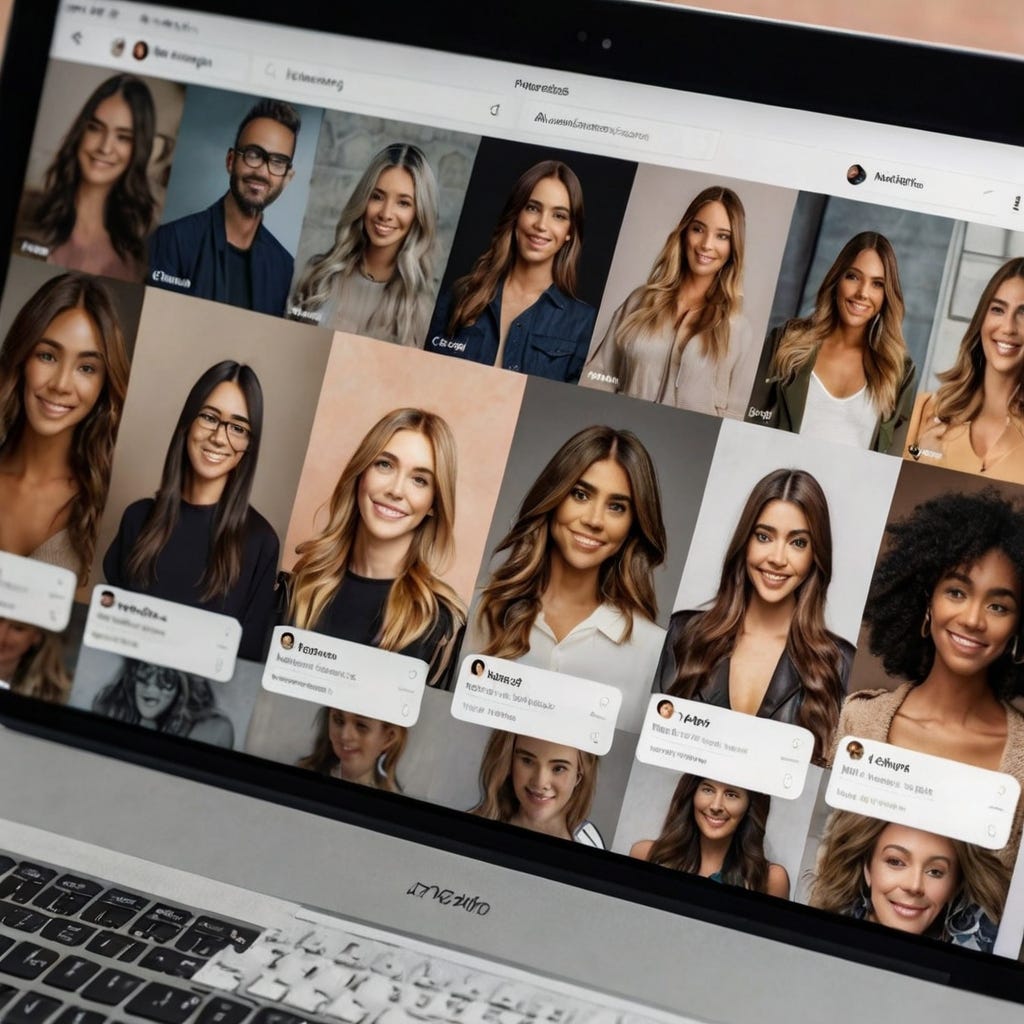
The Psychology of Avatars: Understanding Digital Identity
Avatars play a crucial role not just as digital representations but as reflections of our psychological and emotional states. They serve as extensions of ourselves in cyberspace, enabling interactions that transcend physical constraints.
1. Linguistic Identity and Avatars
Language is a powerful tool in shaping identity, and this extends into the digital realm. In Australia, where cultural diversity is rich, linguistic nuances within avatars can reflect this diversity beautifully. For instance, the inclusion of dialects like Aboriginal English in avatar interactions can enrich the online experience, providing a deeper connection to cultural roots. Such linguistic features become a bridge between personal and shared cultural identities, allowing for more authentic interactions online.
Moreover, avatars that speak or understand multiple languages can foster inclusivity, breaking down barriers that language might otherwise pose. This aspect of digital identity management is crucial in a multicultural society, emphasizing the importance of technology in cultural representation and understanding.
2. AI-Driven Avatars and Emotional Dynamics
The integration of artificial intelligence in avatar creation has opened new avenues for emotional expression online. AI-driven avatars can adapt to the emotional tone of interactions, providing a more empathetic communication tool. For those experiencing loneliness or social anxiety, these avatars can act as companions, offering comfort and interaction in a way that feels personal and engaging.
However, the use of AI in avatars also raises concerns about emotional dependency. While they can fulfill the need for social interaction, there's a risk they might replace or overshadow real human connections in some cases. Balancing the benefits of AI enhancements in avatars with the potential pitfalls is a key challenge for developers and users alike.
3. Building Authenticity in Digital Spaces
Avatars enable users to express parts of their identity they may not be able to convey in physical spaces. This creative control over digital identity allows for a depth of authenticity where individuals can build avatars that are true reflections of themselves or experiment with new personas.
However, with this freedom comes the responsibility of ensuring that digital personas remain authentic and not purely for superficial appeal. Users must navigate the digital space thoughtfully, keeping a balance between true self-representation and exploration, ensuring that the digital personas they craft align with their real-world values and beliefs.
From Social Media to Learning: Avatars Redefining Digital Identity
The role of avatars has expanded beyond simple representation, becoming integral to how individuals learn and interact with content across various platforms.
1. Enhancing Educational Experiences
Educational environments are leveraging avatars to make learning more engaging. Avatars can simulate interactive classrooms where students control learning at their own pace. Such environments are particularly beneficial in Australia’s remote areas, where access to traditional schools may be limited.
By tailoring avatars to reflect personal preferences and learning styles, students find themselves more engaged and motivated. This can lead to improved educational outcomes, offering learners a personalized and immersive experience that encourages active participation and deeper understanding.
2. Professional Identity and Avatars
Avatars are equally significant in the professional world, serving as a digital business card. For example, professionals can design avatars that reflect their career goals, skills, and interests, which can be showcased in virtual career expos or online networking events. This enables individuals to create a professional online presence that is both customized and scalable.
In the job market, where first impressions are crucial, avatars offer a unique avenue for professionals to highlight not just their credentials but also their personality and creativity, paving the way for innovative job-seeking strategies.
3. Navigating Social Media Dynamics
On social media platforms, avatars serve as the new face of personal branding. They allow users to project ideal versions of themselves or delve into aspects of their personalities that they'd like to explore further. This dynamic representation can open up new avenues for interactive storytelling and social engagement.
The customization options on various platforms facilitate a broad spectrum of identity expressions. Whether it’s through creatively designed avatars that highlight aesthetic preferences or those that stand as social commentaries, avatars have made identity management on social platforms more interactive and engaging than ever before.
Navigating Cyberspace: The Role of Avatars in Identity Management
The use of avatars extends into how digital identities are managed across cyberspace, allowing individuals to engage safely and authentically.
1. Ethical Considerations and Transparency
Creating avatars involves ethical considerations, particularly concerning privacy and digital representation. Transparent policies regarding avatar creation and usage help maintain user trust and community integrity. It's crucial to establish clear guidelines about data use and protection, given the personal nature of information involved in crafting avatars.
Regulations are necessary to ensure avatars do not perpetuate stereotypes or biases, fostering an inclusive digital environment where diverse identities are respected and valued.
2. Dynamic Identity Adaptation
In an ever-changing digital landscape, avatars offer a flexible solution for identity adaptation. Users can modify avatars to reflect changes in personal growth, interests, or significant life events, making them a true reflection of one's evolving self.
This dynamic adaptability helps maintain authenticity and relevance, ensuring that digital identities remain consistent with the user's real-life identity and societal trends, allowing for seamless and genuine interactions across various digital platforms.
3. Regulatory Perspectives
Developing and enforcing regulations around avatar use is vital in safeguarding digital identities. This involves setting standards that protect user rights while encouraging creativity and innovation. Regulations should aim to strike a balance between freedom of expression and the security of personal data.
In culturally diverse settings, like Australia, these norms must also consider cultural sensitivities, promoting an inclusive approach to digital identity representation. By doing so, avatars can be powerful allies in promoting cultural diversity and understanding in digital spaces.
In conclusion, avatars are transformative tools in cyberspace, shaping how we express, adapt, and understand our identities across diverse digital realms. By embracing their psychological and sociocultural dimensions, we can harness avatars’ full potential to enrich digital experiences meaningfully and authentically.
Q&A
-
What is Avatar Based Marketing and how does it benefit businesses?
Avatar Based Marketing involves creating digital personas that represent brands or products in virtual environments. This approach allows businesses to engage with their audience in more interactive and personalized ways. By using avatars, companies can enhance customer experience, build stronger brand loyalty, and gather valuable consumer insights through real-time interactions.
-
How does Identity Management in Cyberspace impact user privacy?
Identity Management in Cyberspace focuses on controlling how personal information is shared and used online. Effective identity management systems help protect user privacy by ensuring that individuals have control over their digital identities. This includes managing permissions, authenticating users, and securing data against unauthorized access, thus reducing the risk of identity theft and data breaches.
-
What strategies can be employed for effective Social Media Identity Management?
Effective Social Media Identity Management involves consistently managing and maintaining one's online persona across different platforms. Strategies include regular monitoring of social media profiles, maintaining a consistent brand voice, responding promptly to audience interactions, and utilizing privacy settings to control the visibility of personal information. These practices help build a reputable and trustworthy online presence.
-
How can Avatar Based Learning enhance educational experiences?
Avatar Based Learning uses digital avatars to create immersive and interactive educational environments. This method enhances learning by providing personalized feedback, fostering engagement through gamification, and allowing learners to explore complex subjects in a virtual setting. Avatars can simulate real-world scenarios, making abstract concepts more tangible and improving retention and understanding.
-
What are the key features of Digital Identity Platforms and their importance?
Digital Identity Platforms provide tools and frameworks for managing digital identities securely. Key features include user authentication, identity verification, access management, and data encryption. These platforms are crucial for ensuring secure transactions, protecting user data, and providing a seamless user experience across digital services. They play a vital role in building trust between users and service providers in the digital ecosystem.