
The Science and Art of Blackout Blinds
To achieve optimal sleep, enhance privacy, and effectively regulate temperature, we often explore innovative solutions for window treatments. Blackout blinds have become a popular choice due to their ability to significantly reduce light penetration. Understanding the science behind their light-blocking capabilities and the artistry of incorporating them into any interior design will open up endless possibilities for our living spaces.
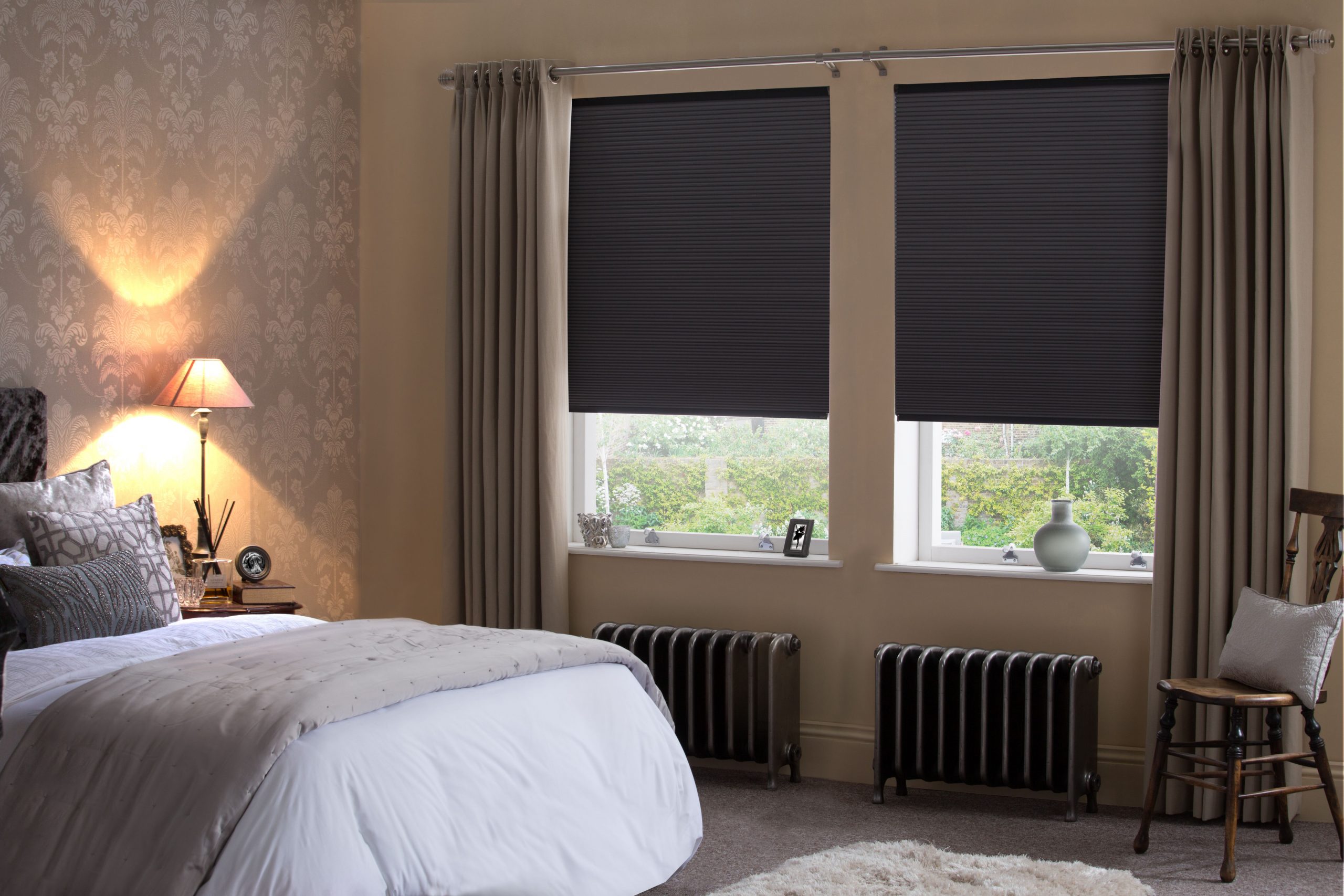
Understanding the Mechanics of Blackout Blinds: How They Achieve Total Darkness
Blackout blinds are designed to block out nearly all external light, creating a dark and private environment. Their effectiveness stems from a combination of specialized materials and structural design.
1. Opaque Fabric Selection
The core of a blackout blind is its fabric. Unlike standard blinds that filter light, blackout blinds utilize tightly woven, dense materials. These materials, often incorporating multiple layers, prevent light from penetrating. Some blackout fabrics also feature a dark-colored or rubberized backing to further enhance light blockage. Recent innovations include the use of recycled materials in blackout fabrics, aligning with sustainability goals.
2. Close-Fitting Design
Beyond the fabric, the design plays a crucial role. Blackout blinds are designed to fit snugly within the window frame, minimizing gaps through which light can enter. Some models incorporate side channels or tracks that the blind runs along, effectively sealing off any remaining light leaks. Precision in measurements and installation is key to maximizing the blackout effect.
3. Layered Construction
Many blackout blinds employ a multi-layered approach. This might include a decorative front layer, a middle layer for insulation and sound dampening, and a blackout backing. The layering not only blocks light but also contributes to energy efficiency by reducing heat transfer through the window. This feature is particularly beneficial in bedrooms and home theaters.
4. Light-Blocking Features
Specific design elements further enhance light blockage. Overlapping slats or cellular structures in some blackout blind styles eliminate direct light paths. Weighted bottom bars ensure the blind hangs flat against the window, preventing light from seeping in at the bottom. Attention to detail in these features contributes to the overall effectiveness of blackout blinds.
The Evolution of Blackout Blinds: From Manual to Automatic Innovations
Blackout blinds have undergone a remarkable transformation, evolving from simple, manually operated shades to sophisticated, automated systems that enhance comfort and convenience in modern homes.
1. The Dawn of Manual Blackout Blinds
Early blackout blinds were primarily functional, designed to block out light using thick, opaque materials like heavy fabrics or vinyl. Operation was entirely manual, relying on cords, chains, or simple roller mechanisms to raise and lower the blinds. These early versions provided a basic solution for light control, particularly beneficial for bedrooms and nurseries, but lacked the convenience and aesthetic appeal of contemporary designs. The focus was on practicality rather than style or ease of use.
2. The Rise of Motorization
The introduction of motorized blackout blinds marked a significant advancement. Motors allowed for effortless operation via remote controls or wall-mounted switches. This innovation was particularly appealing for large or hard-to-reach windows. The integration of timers and sensors further enhanced functionality, enabling users to schedule automatic adjustments based on time of day or sunlight levels. This transition significantly improved convenience and accessibility, catering to a wider range of users.
3. Smart Home Integration
The latest evolution involves integrating blackout blinds into smart home ecosystems. These advanced systems can be controlled via smartphone apps, voice commands, and integration with other smart devices like thermostats and lighting systems. This level of connectivity allows for personalized automation, optimizing energy efficiency and creating customized environments. For instance, blinds can automatically close during peak sunlight hours to reduce cooling costs or open in the morning to simulate a natural sunrise.
Energy Efficiency and Environmental Impact: The Role of Blackout Blinds in Modern Homes
Blackout blinds are more than just window coverings; they're a tool for enhancing energy efficiency and reducing environmental impact in modern homes. They offer a simple yet effective way to manage sunlight and temperature.
1. Enhancing Insulation and Reducing Energy Consumption
Blackout blinds significantly improve a home's insulation. During summer, they block intense sunlight, preventing rooms from overheating and reducing the need for air conditioning. In winter, they help retain heat by minimizing heat loss through windows.
2. Minimizing Carbon Footprint
By reducing reliance on heating and cooling systems, blackout blinds contribute to a smaller carbon footprint. Less energy consumption translates to lower emissions from power plants.
3. Promoting Sustainable Living
Blackout blinds align with the principles of sustainable living by promoting resource conservation and reducing waste. Their durability and long lifespan mean fewer replacements compared to less robust window coverings. Additionally, many blackout blinds are now manufactured using eco-friendly materials such as recycled fabrics and sustainable wood, further minimizing their environmental impact. Choosing these options supports responsible manufacturing practices and contributes to a more circular economy.
Beyond Bedrooms: Diverse Applications and Benefits of Blackout Blinds
Blackout blinds are not just for bedrooms anymore. They offer a range of benefits beyond sleep enhancement, making them a versatile solution for various spaces and needs. Let's explore some of their diverse applications.
1. Home Theaters and Media Rooms
Blackout blinds are essential for creating an optimal viewing experience in home theaters or media rooms. They effectively block out external light, reducing glare on the screen and enhancing image clarity and color contrast. This allows viewers to fully immerse themselves in movies, games, or TV shows, regardless of the time of day. They transform any room into a dedicated entertainment space, providing a cinematic experience at home.
2. Nurseries and Children's Rooms
Creating a dark and peaceful environment is crucial for babies and young children to sleep soundly. Blackout blinds help regulate their sleep patterns by blocking out sunlight, streetlights, and other external light sources. This promotes longer and more restful naps and nighttime sleep, contributing to their overall health and well-being. They also offer privacy and reduce distractions, creating a calming atmosphere for children.
3. Offices and Workspaces
In offices and workspaces, blackout blinds can improve productivity and reduce eye strain. By minimizing glare on computer screens and blocking out distracting sunlight, they create a more comfortable and focused work environment. This is particularly beneficial for individuals who work with computers for extended periods or those who require a dark room for presentations or video conferencing. They also help regulate room temperature, reducing energy costs.
4. Photography Studios and Darkrooms
Blackout blinds are indispensable for photography studios and darkrooms. They provide complete control over lighting conditions, allowing photographers to capture high-quality images and develop film without interference from external light sources. This ensures accurate color reproduction, eliminates unwanted shadows, and creates a professional and consistent environment for photographic work. They offer the precision and control needed for professional photography.
Comparing Materials and Designs: Finding the Perfect Fit for Your Space
Choosing the right blackout blinds involves understanding the materials they're made from and the designs available, ensuring they meet your needs for light control, style, and functionality. Let’s delve into the options.
1. Fabric Types and Light Blocking Capabilities
Blackout blinds come in various fabrics, each offering different levels of light blockage. Polyester is a common, affordable option, while thicker fabrics like suede or those with acrylic backings provide superior light blocking. Some manufacturers use multiple layers of fabric or incorporate a dark interlining to enhance light control.
2. Design Styles: From Roller to Roman
The design style impacts both aesthetics and functionality. Roller blinds are simple and effective, rolling up neatly when not in use. Roman blinds offer a more decorative look with their pleated folds. Cellular or honeycomb blinds provide insulation in addition to light blocking.
3. Color Considerations for Optimal Darkness
While material and construction are key, color also plays a role. Darker colors generally block more light than lighter shades. However, some blackout blinds use special coatings or linings that allow lighter-colored fabrics to achieve the same level of darkness as darker ones. When choosing, consider the room's existing decor and whether you prefer a dark and cozy ambiance or a lighter feel with complete darkness when the blinds are closed.
Q&A
Question 1: What are the key components contributing to the effectiveness of blackout blinds in blocking external light?
Answer: Blackout blinds achieve near-total darkness through a combination of factors: tightly woven, dense fabrics (often multi-layered and with dark backing), a close-fitting design minimizing light gaps around the window frame (sometimes aided by side channels or tracks), and layered construction that may include insulating and sound-dampening layers in addition to the light-blocking material. Weighted bottom bars also ensure a flat, light-proof seal against the window.
Question 2: How have blackout blinds evolved from their early forms to the smart home-integrated systems available today?
Answer: Blackout blinds have progressed from simple, manually operated shades made of thick fabrics or vinyl to motorized versions controlled by remotes or wall switches. The latest advancement integrates them into smart home systems, allowing control via smartphone apps, voice commands, and synchronization with other smart devices. This enables automated adjustments based on time of day or sunlight levels for enhanced convenience and energy efficiency.
Question 3: What are the energy efficiency benefits and environmental impacts associated with using blackout blinds?
Answer: Blackout blinds improve home insulation by blocking sunlight in summer (reducing cooling needs) and retaining heat in winter (minimizing heating requirements). This leads to lower energy consumption, reduced utility bills, and a smaller carbon footprint. Furthermore, the use of recycled materials in some blackout blinds promotes sustainable manufacturing practices and contributes to a circular economy. Studies suggest significant potential for decreased residential carbon emissions through widespread adoption.
Question 4: Beyond bedrooms, what are some diverse applications and benefits of blackout blinds in different settings?
Answer: Blackout blinds are useful in home theaters (enhancing viewing experience by minimizing glare), nurseries (promoting better sleep for children), offices (improving focus and reducing eye strain), and photography studios (providing precise light control). In each case, they offer benefits beyond simply blocking light, such as improved comfort, productivity, or professional work conditions.
References:
- https://www.allurewindowtreatments.com/room-darkening-vs-light-filtering-vs-blackout-curtains/
- https://www.homesandgardens.com/life-design/do-blackout-curtains-keep-heat-out
- https://www.cnhaoyan.com/blog/how-do-fabric-blackout-shades-compare-to-other-types-of-blackout-shades-493813.html
- https://www.dscustomwindowdesigns.com/blog/choosing-curtains-or-window-shades
- https://www.coohom.com/article/living-room-roller-blinds-style-meets-functionality