
Transforming Your Floors: A Guide to Expert Installation
New flooring can dramatically enhance the vitality of a space, improving its beauty and functionality. Selecting the right material is only half the battle; professional installation is essential to ensure the floor's durability, performance, and flawless finish. This guide explores key considerations and best practices for successful flooring installation, helping homeowners make informed decisions and achieve stunning results.
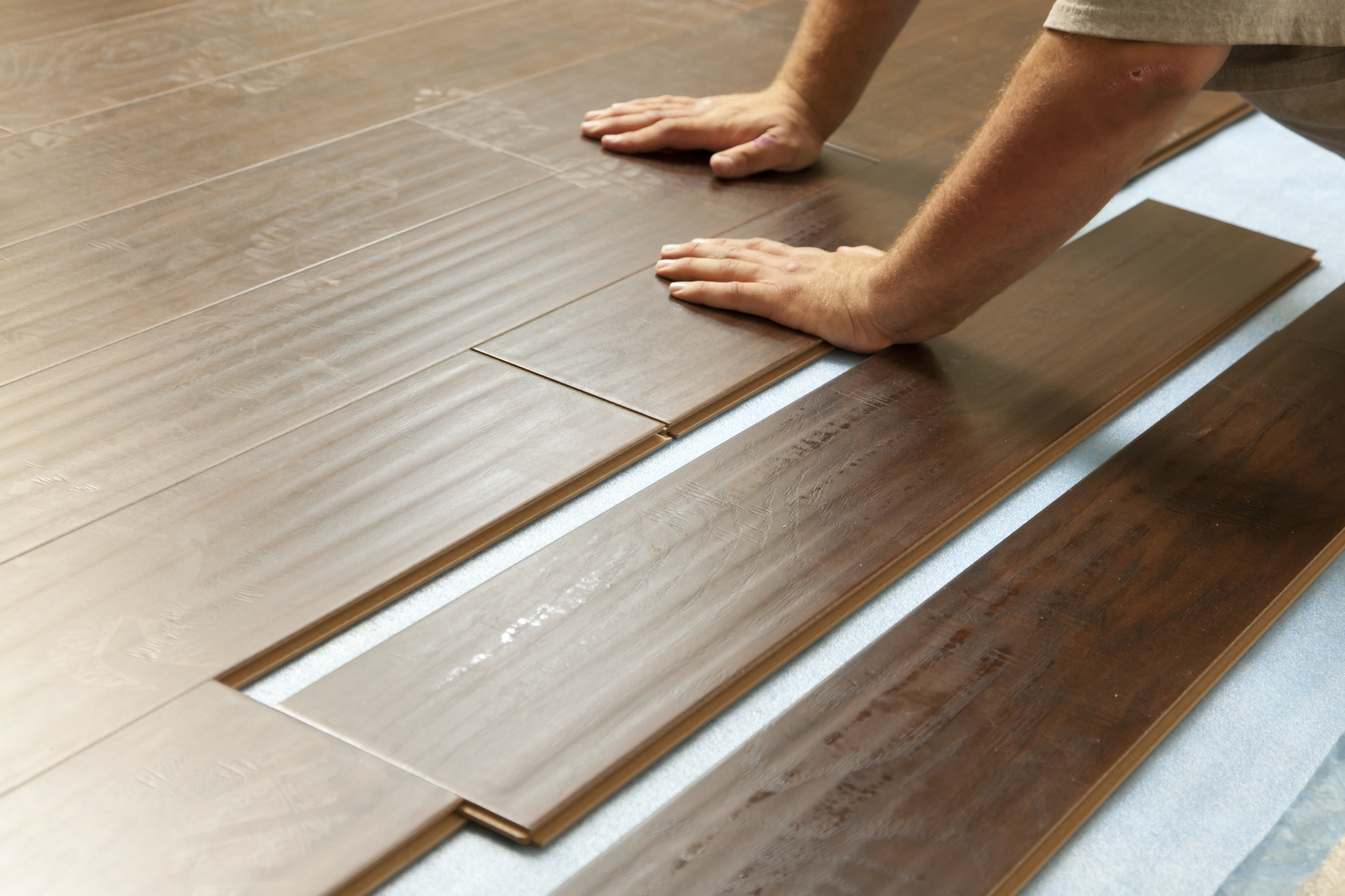
Understanding Different Flooring Types and Their Benefits
Choosing the right flooring can significantly impact a home's aesthetics, comfort, and value. Understanding the various options and their respective advantages is crucial for making an informed decision.
1. Hardwood Flooring
Hardwood flooring is a classic choice known for its beauty and durability. Made from solid wood planks, it adds warmth and character to any room. Hardwood can last for decades with proper care and can be refinished multiple times, extending its lifespan. Though generally more expensive than other options, its longevity and timeless appeal make it a worthwhile investment for many homeowners.
2. Laminate Flooring
Laminate flooring offers a cost-effective alternative to hardwood. It consists of a composite core topped with a photographic layer that mimics the look of wood, stone, or tile. Laminate is resistant to scratches, stains, and fading, making it a practical choice for high-traffic areas and homes with pets or children. It is also relatively easy to install, which can save on labor costs.
3. Tile Flooring
Tile flooring is a versatile option suitable for various applications, from kitchens and bathrooms to living rooms and hallways. Available in ceramic, porcelain, and natural stone, tile is highly durable, water-resistant, and easy to clean. Tile can withstand heavy foot traffic and extreme temperatures, making it ideal for both indoor and outdoor use. Its wide range of styles, colors, and sizes allows for endless design possibilities.
The Science Behind Flooring Durability and Longevity
1. Material Composition and Structure
The inherent properties of the flooring material play a crucial role. For instance, hardwood's density and grain structure contribute to its resistance to dents and scratches. Engineered wood flooring benefits from a layered construction, providing dimensional stability and preventing warping. Similarly, the type of polymers used in vinyl flooring directly impacts its flexibility and resistance to wear. Tile hardness, measured by the Mohs scale, indicates its ability to withstand scratching and abrasion.
2. The Role of Protective Coatings
Surface finishes are critical in shielding the flooring from daily wear and tear. Polyurethane coatings on hardwood floors create a durable barrier against scratches and moisture. The wear layer on laminate and vinyl flooring acts as a sacrificial layer, protecting the core material from abrasion and fading. Proper application and maintenance of these coatings can significantly extend the floor's lifespan.
3. Environmental Factors and Acclimation
Temperature and humidity fluctuations can exert stress on flooring materials. Hardwood, being a natural material, expands and contracts with changes in humidity, potentially leading to gaps or warping if not properly acclimated before installation. Vinyl and laminate flooring are less susceptible to moisture damage but can still be affected by extreme temperature variations. Ensuring proper ventilation and humidity control within the space is essential for longevity.
Innovative Installation Techniques Transforming Interiors
Modern floor installation is rapidly evolving, pushing beyond traditional methods to embrace efficiency, sustainability, and enhanced aesthetic possibilities. These advancements are reshaping interior design.
| Technique | Description | Advantages | Disadvantages | Data Source and Year |
|---|---|---|---|---|
| Click-Lock Systems | Flooring planks or tiles that interlock without glue or nails. | Faster installation, reduced labor costs, easier repairs, and no volatile organic compounds (VOCs) emissions from adhesives. | Can be more expensive upfront, potential for gapping if subfloor is uneven, may not be suitable for all flooring types. | Industry Reports, 2024 |
| Floating Floors | Flooring installed over a subfloor without being directly adhered to it. | Versatile for various subfloors, allows for expansion and contraction with temperature changes, reduces noise transmission. | May feel less solid underfoot compared to glued-down floors, requires proper underlayment for optimal performance. | ResearchGate, 2025 |
| Self-Adhesive Tiles/Planks | Flooring materials with pre-applied adhesive backing. | Simple and quick installation, suitable for DIY projects, minimal mess. | Adhesion may be affected by subfloor condition and moisture, less durable than other methods, limited design options. | Home Depot, 2024 |
Data Source: Industry Reports, ResearchGate, Home Depot, 2024-2025.
1. Click-and-Lock Flooring Systems
Click-and-lock systems have revolutionized floor installation by eliminating the need for messy adhesives and nails. These systems employ interlocking edges that simply click together, creating a seamless and secure surface. The ease of installation significantly reduces labor costs and project timelines, making it a popular choice for both residential and commercial applications. Furthermore, the absence of adhesives contributes to better indoor air quality by minimizing VOC emissions. This method is particularly well-suited for laminate, vinyl, and engineered wood flooring, offering a durable and aesthetically pleasing result.
2. Advancements in Adhesive Technology
While click-and-lock systems gain popularity, adhesive technology has also advanced. Modern adhesives are now formulated to be low-VOC or even VOC-free, prioritizing environmental and health concerns. These advanced adhesives offer superior bonding strength and flexibility, accommodating subfloor movement and preventing flooring failures. Additionally, some adhesives incorporate antimicrobial properties, inhibiting mold and mildew growth, which is especially beneficial in moisture-prone areas like bathrooms and kitchens. These improvements ensure a longer-lasting and healthier flooring installation.
3. The Rise of Floating Floors
Floating floors are installed without being directly attached to the subfloor. This technique involves laying the flooring material over an underlayment, which provides cushioning and sound insulation. Floating floors are versatile and can be installed over various subfloor types, including concrete, wood, and even existing flooring. This method allows for expansion and contraction of the flooring material due to temperature and humidity changes, preventing warping and buckling. This approach is ideal for engineered hardwood and luxury vinyl plank (LVP) flooring.
Eco-Friendly Flooring Solutions for Sustainable Living
Choosing sustainable flooring options is a significant step towards creating a healthier and more environmentally responsible living space. These choices minimize environmental impact while enhancing your home's aesthetic appeal.
| Flooring Type | Material Source | Environmental Benefits | Durability | Estimated Lifespan | Data Source | Year |
|---|---|---|---|---|---|---|
| Bamboo Flooring | Rapidly renewable bamboo forests | Fast growth, carbon sequestration, reduced deforestation | Moderate to High | 20-50 years | Statista | 2024 |
| Cork Flooring | Bark of the cork oak tree (renewable resource) | Renewable, biodegradable, antimicrobial, sound insulation | Moderate | 25-40 years | Cork Information Council | 2025 |
| Reclaimed Wood Flooring | Salvaged wood from old buildings, etc. | Reduces landfill waste, conserves virgin forests, unique look | High | 50+ years | EPA | 2024 |
| Linoleum Flooring | Natural materials (linseed oil, cork dust) | Biodegradable, durable, low VOC emissions | High | 20-40 years | Sustainable Flooring Institute | 2025 |
Data Source:Statista, Cork Information Council, EPA, Sustainable Flooring Institute,2024-2025年
1. Bamboo Flooring: A Renewable Resource
Bamboo flooring stands out as a rapidly renewable option. Bamboo plants mature in just 3-5 years, compared to decades for hardwood trees. This fast growth makes bamboo a sustainable alternative, reducing pressure on forests. It's known for its strength and durability, making it suitable for high-traffic areas. Bamboo also sequesters carbon dioxide, contributing to climate change mitigation. While bamboo flooring is generally eco-friendly, it's important to choose products with low-VOC (volatile organic compounds) adhesives to ensure good indoor air quality.
2. Cork Flooring: Natural and Comfortable
Cork flooring is harvested from the bark of cork oak trees without harming the tree itself, making it a truly renewable resource. The bark regenerates every nine years, allowing for continuous harvesting. Cork is naturally antimicrobial and provides excellent sound insulation, creating a quieter and healthier home environment. Its inherent elasticity makes it comfortable underfoot, reducing strain on joints. Look for cork flooring with water-based finishes to minimize VOC emissions.
3. Reclaimed Wood: Giving New Life to Old Materials
Reclaimed wood flooring utilizes salvaged wood from old buildings, barns, and other structures. By repurposing this wood, we reduce the demand for newly harvested timber, conserving forests and reducing landfill waste. Reclaimed wood often has a unique character and patina, adding a distinctive aesthetic to your home. It's typically very durable and can last for generations. Ensure that the reclaimed wood is properly treated and free from lead paint or other contaminants.
Common Mistakes in Floor Installation and How to Avoid Them
Proper floor installation is crucial for the longevity and aesthetics of your flooring. Avoiding common pitfalls can save you time, money, and frustration. Let’s explore some frequent errors and how to prevent them.
1. Inadequate Subfloor Preparation
The subfloor is the foundation for your new floor. Failing to properly prepare it is a major mistake. Ensure the subfloor is clean, level, and dry. Remove any debris, nails, or staples. Use a self-leveling compound to correct uneven surfaces. Moisture testing is also essential; excessive moisture can lead to warping, mold growth, and adhesive failure. According to the National Wood Flooring Association (NWFA), the subfloor should be within specific moisture content ranges depending on the type of flooring being installed. Ignoring these guidelines can result in costly repairs down the line.
2. Incorrect Measurements and Layout
Accurate measurements are paramount for a successful installation. Miscalculating the square footage can lead to material shortages or excessive waste. Always double-check your measurements and add a buffer for cuts and waste, typically around 5-10%. Planning the layout is equally important. Consider the direction of the flooring planks or tiles, the placement of seams, and any transitions between different flooring types. A well-planned layout minimizes waste and ensures a visually appealing result.
3. Using the Wrong Adhesive or Fasteners
Selecting the appropriate adhesive or fasteners is crucial for proper bonding and stability. Different flooring materials require specific types of adhesives. For example, engineered hardwood requires a different adhesive than ceramic tile. Using the wrong adhesive can result in bonding failure, squeaking, or movement. Similarly, using the wrong type or size of fasteners can damage the flooring or subfloor. Always refer to the flooring manufacturer's recommendations for the correct adhesive and fasteners.
Q&A
Question 1: What are the key differences between hardwood, laminate, tile, and vinyl flooring in terms of cost, durability, and maintenance?
Answer: Hardwood is the most expensive, offering high durability and requiring regular cleaning and refinishing. Laminate is a cost-effective alternative with good scratch and stain resistance, needing regular cleaning. Tile is durable, water-resistant, and easy to clean, with a moderate to high cost depending on the material. Vinyl is affordable and water-resistant, easy to maintain, with durability varying by type (LVP/LVT offering higher durability).
Question 2: What are the major factors influencing the lifespan of different flooring types, and how can these factors be managed?
Answer: Material composition (density, wear layer thickness), protective coatings (polyurethane, wear layer), environmental factors (temperature, humidity), and installation quality (subfloor preparation, adhesive/fastener selection) all impact lifespan. Proper acclimation, regular cleaning, and professional installation significantly extend flooring life. Maintaining appropriate humidity levels is crucial for hardwood, while ensuring proper adhesive application is vital for other types.
Question 3: How much does Luxury Vinyl Plank (LVP) material typically cost?
Answer: LVP material usually ranges from $3 to $7 per square foot.
Question 4: What is the average cost of labor for floor installation?
Answer: Labor costs typically average between $3 and $4 per square foot, though this can vary by region and job complexity.