
Tree Removal: A Comprehensive Guide
Tree removal involves technical evaluation of size, location, and complexity, with certified professionals employing rigging and cutting techniques to ensure safe extraction.
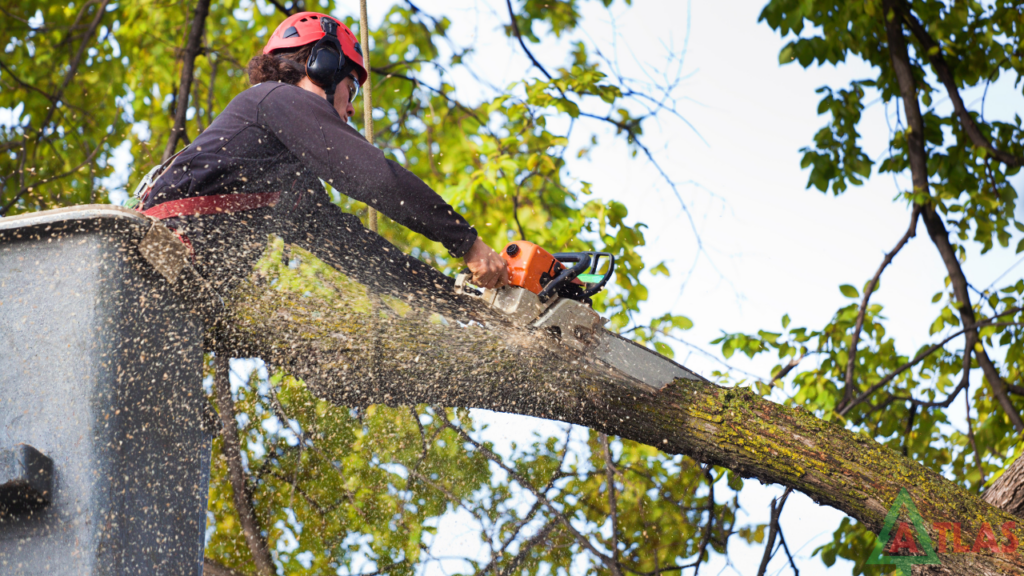
Understanding the Basics of Tree Removal: Techniques and Tools
Professional tree removal involves more than just cutting down a tree; it's a complex process requiring expertise, specialized equipment, and a deep understanding of safety protocols to protect people and property. Let's delve into the fundamental aspects of this essential service.
1. Assessment and Planning
Before any cutting begins, a professional arborist assesses the tree's condition, size, location, and potential hazards. This includes checking for diseases, structural weaknesses, and proximity to power lines or buildings. A detailed plan is then developed, outlining the safest and most efficient removal method. Factors considered include the tree's lean, wind direction, and available space for felling or dismantling. Proper planning minimizes risks and ensures a controlled removal process.
2. Tree Felling Techniques
Felling involves cutting the tree down from its base. Professionals use specialized techniques like directional felling, which involves making precise cuts to control the direction the tree falls. This method requires experience and a thorough understanding of tree mechanics. Wedges and ropes are often used to guide the fall and prevent damage to surrounding structures. Felling is generally used when there's ample space and minimal risk to property.
3. Sectional Dismantling (Climbing)
When space is limited or the tree poses a significant risk, sectional dismantling is employed. Arborists climb the tree using ropes and harnesses, systematically cutting and lowering sections of the tree to the ground. This technique requires advanced climbing skills and specialized equipment, such as rigging gear and chainsaws designed for aerial work. Sectional dismantling allows for controlled removal in confined spaces, minimizing the risk of damage.
4. Essential Tools and Equipment
Professional tree removal relies on a range of specialized tools. Chainsaws are used for cutting branches and the trunk, while ropes and rigging equipment are essential for lowering sections of the tree safely. Chippers are used to dispose of smaller branches, and stump grinders remove the remaining stump. Personal Protective Equipment (PPE), including helmets, safety glasses, and hearing protection, is crucial for worker safety. The right tools, combined with proper training, ensure a safe and efficient operation.
Evaluating Costs: Factors Influencing Tree Removal Expenses
Understanding the elements that contribute to the final bill can help homeowners budget effectively and make informed decisions when hiring professional tree removal services. Several aspects play a role in determining the overall expense.
1. Tree Size and Type
The dimensions of the tree directly impact the labor and equipment needed for its removal. Larger trees require more time, specialized tools like cranes, and a larger crew, naturally increasing the cost. The species of tree also matters; some wood is denser and harder to cut, posing additional challenges and potentially raising prices.
2. Location and Accessibility
A tree's location on the property significantly affects removal costs. Trees near power lines, buildings, or other obstacles require extra caution and expertise, adding to the complexity and price. Limited access for equipment, such as trucks or bucket lifts, can also increase labor costs as the crew may need to perform more manual work.
3. Tree Condition and Health
The health and structural integrity of the tree are key factors. Diseased or decaying trees can be more unpredictable and dangerous to remove, demanding specialized techniques and potentially increasing the risk for the crew. Similarly, trees that have already fallen or are leaning precariously may present unique challenges that influence the overall cost.
4. Stump Removal and Debris Disposal
Removing the stump after the tree is felled is an additional service that adds to the total expense. Stump grinding or complete removal requires specialized equipment and labor. Furthermore, the cost of debris disposal, including hauling away branches, logs, and other materials, will also be factored into the final price.
Finding Affordable Services: Tips for Budget-Friendly Tree Removal
Tree removal can be a costly but necessary home maintenance task. Explore these actionable strategies to secure quality tree removal services without exceeding your budget.
1. Obtain Multiple Quotes
Contact several tree removal companies and request detailed, written estimates. Comparing quotes allows you to identify the most competitive pricing in your area. Be sure each quote specifies exactly what services are included, such as debris removal and stump grinding, to ensure an apples-to-apples comparison. Don't automatically choose the lowest bid; consider the company's reputation, insurance coverage, and experience.
2. Prioritize Essential Services
Evaluate whether all the services included in a quote are truly necessary. For example, if stump grinding isn't a priority, you might be able to negotiate a lower price by excluding it. Similarly, inquire about the cost difference between removing all debris and leaving it for you to dispose of. Carefully assessing your needs and adjusting the scope of work can lead to significant savings.
3. Schedule Off-Season Removal
Tree removal services often experience higher demand during peak seasons, such as after storms. Consider scheduling your tree removal during the off-season, typically late fall or winter, when companies may offer lower rates to attract business. This can be a strategic way to save money without compromising the quality of service.
4. Check for Discounts and Promotions
Ask tree removal companies about any available discounts or promotions. Some companies offer discounts for seniors, veterans, or first-time customers. Others may have seasonal promotions or package deals that can help reduce the overall cost. Don't hesitate to inquire about these opportunities to maximize your savings.
5. Consider DIY (With Caution)
For small trees or simple removal tasks, you might consider doing it yourself. However, tree removal can be dangerous, especially for larger trees or those near power lines. If you lack experience or the proper equipment, it's always best to hire a professional to avoid injuries or property damage. Weigh the potential cost savings against the risks before attempting DIY tree removal.
Q&A
Question 1: What are the primary techniques used in professional tree removal, and when is each technique most appropriate?
Answer: Professional tree removal employs two main techniques: felling and sectional dismantling. Felling, cutting the tree from the base, is suitable when ample space allows for controlled falling, using directional felling techniques and potentially wedges and ropes. Sectional dismantling, involving climbing and cutting the tree into sections, is preferred in confined spaces or when the tree poses significant risks to surrounding structures.
Question 2: What factors significantly influence the cost of professional tree removal services?
Answer: Several factors determine the cost. Tree size and species directly impact labor and equipment needs; larger, denser trees cost more. Location and accessibility influence cost; trees near obstacles or with limited access require more specialized techniques and labor. The tree's condition (disease, decay, instability) adds complexity. Finally, stump removal and debris disposal are additional costs.
Question 3: What strategies can homeowners employ to find affordable yet reliable tree removal services?
Answer: Obtain multiple quotes from different companies for comparison, ensuring all quotes include the same services. Prioritize essential services, potentially excluding non-critical ones like stump grinding to reduce costs. Consider scheduling removal during the off-season (late fall/winter) for potentially lower rates. Check for discounts or promotions offered by companies. Finally, while DIY is possible for small trees, always prioritize professional help for larger or riskier jobs.
References:
- https://www.homestars.com/gardening-outdoors/price-guides/tree-removal-cost-toronto
- https://www.homestars.com/gardening-outdoors/price-guides/tree-removal-cost-hamilton
- https://www.angi.com/articles/shrub-removal-cost.htm
- https://www.thisoldhouse.com/moving/junk-removal-cost
- https://www.lawnstarter.com/blog/cost/leaf-removal-price/